$570.00
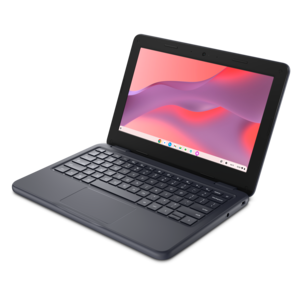
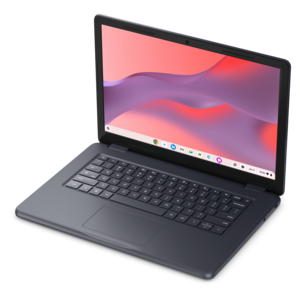
A durable, serviceable Chromebook designed specifically for education environments.
Laptops for classroom use are essential tools for students and educators striving for success in today’s digital learning environments. Designed to support a wide range of academic activities, these devices help streamline assignments, foster collaboration, and enhance productivity both in the classroom and beyond. Whether outfitting a single student or an entire class, finding the right laptops for classroom use ensures smooth access to educational resources and empowers learners at every level.
A durable, serviceable Chromebook designed specifically for education environments.
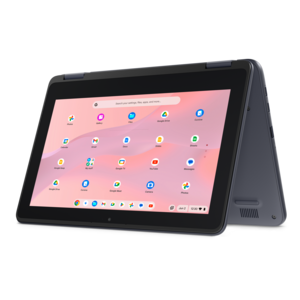
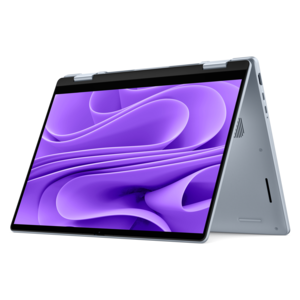
A durable, serviceable Chromebook laptop or 2-in-1 designed specifically for K-12 learning environments.
A durable, serviceable Chromebook laptop or 2-in-1 designed specifically for K–12 environments.
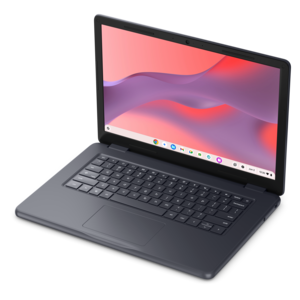
A durable, serviceable Chromebook designed specifically for education environments.
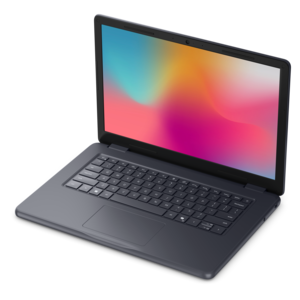
A durable, serviceable laptop designed specifically for demanding education environments.
Laptops for classroom use need to balance everyday practicality with the demands of school life. A student may carry a computer from home to class, from a library table to a study group, and back again in a backpack filled with notebooks, chargers and lunch. The right choice should feel light enough for that routine while offering dependable performance for writing assignments, online research, presentations, video lessons and classroom platforms. For general schoolwork, look for a laptop with at least 8GB of RAM, which helps web browsers, documents, learning portals and video calls run smoothly together. A solid-state drive can also make a noticeable difference by helping the computer start quickly and open files without the delays associated with older storage technology. Screen size is another practical consideration. A compact display can be easier for younger students to carry, while a larger screen gives students more room to read digital textbooks, arrange research windows or work on spreadsheets. Touchscreen capability and a 360-degree hinge can add flexibility for interactive lessons, drawing, note-taking and presentations, though a traditional clamshell design may be preferable for students who mainly type. Families and educators may also want to compare keyboard comfort, webcam quality, speaker clarity and the placement of ports for headphones, charging and classroom accessories. These details often matter during a long school day, when a comfortable keyboard and clear video image can make assignments feel less tiring. For additional options selected with educators’ routines in mind, browse Teacher Laptops.
Durability deserves particular attention when selecting laptops for classroom use. School computers are frequently moved, set down on crowded desks and stored in backpacks where textbooks can press against the lid. Rubberized edges, reinforced construction and a spill-resistant keyboard can provide helpful protection against the small mishaps that accompany busy school days, although no laptop should be treated as indestructible. A compact, sturdy design may be especially useful for elementary and middle school students, while older students may place greater emphasis on a thin profile, a larger display or the ability to run specialized applications. Battery life is equally important. A computer that can last through a full day of classes, study hall and homework reduces the need to search for an open outlet between lessons. When comparing specifications, consider a target of 10 or more hours for general school routines, keeping in mind that screen brightness, video streaming, demanding software and wireless connectivity can affect actual runtime. Fast charging can be useful when a brief break is the only opportunity to add power. The operating system should match the curriculum as well. A browser-focused platform can be a simple fit for web-based assignments, cloud documents and online learning tools, while a full desktop operating system may be necessary for specialized applications used in coding, engineering, design, media production or advanced coursework. Families should also review school requirements for file compatibility, security settings and classroom management before choosing a computer. For younger learners, a responsive touchscreen and straightforward interface may encourage independent exploration; for older students, a comfortable keyboard, precise trackpad and reliable multitasking can support essays, presentations and research projects that grow more demanding each year.
These laptops can serve a wide range of learners, from children practicing reading and math at home to college students balancing lectures, group projects and remote coursework. They can also be thoughtful gifts for a student beginning a new grade, preparing for a new school environment or building a dedicated space for homework during the cooler months. A laptop placed on a kitchen table can become a virtual classroom, a writing desk or a window into a science demonstration, while a lightweight model can travel easily to a tutoring session, campus library or after-school program. Accessories may make that experience more comfortable: a protective sleeve can help shield the computer in a backpack, an external mouse can support longer study sessions, and a full-size monitor can provide additional workspace for research or creative assignments at home. Headphones with a clear microphone may help students participate in online discussions without distracting others, while a compact power adapter makes it easier to keep the computer ready for the next class. Security features such as a privacy shutter, fingerprint reader or secure sign-in can add reassurance when the laptop is used in shared spaces. It is also worth considering warranty coverage, repair support and the availability of replacement chargers, since a dependable support experience can be as valuable as a strong specification sheet. The best laptop for classroom use is the one that fits the student’s age, coursework, daily travel and preferred way of learning, providing enough speed for school applications while remaining comfortable, durable and manageable throughout the academic year.
Add the products you would like to compare, and quickly determine which is best for your needs.