$2477.00
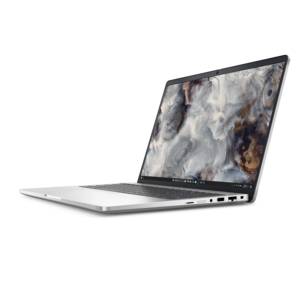
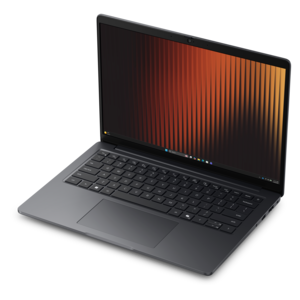
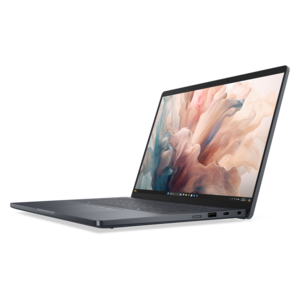
A premium laptop featuring QHD+ resolution, ComfortView Plus, built-in AI, and an Intel vPro platform.
Laptops for cybersecurity are designed to meet the demands of professionals and students who prioritize security, reliability, and performance. Whether you’re analyzing threats, running simulations, or managing secure networks, choosing the right device is essential for seamless workflows in cybersecurity environments. Explore a selection of laptops that deliver the support and flexibility needed for various cybersecurity tasks, helping you stay focused on protecting digital assets with confidence.
A premium laptop featuring QHD+ resolution, ComfortView Plus, built-in AI, and an Intel vPro platform.
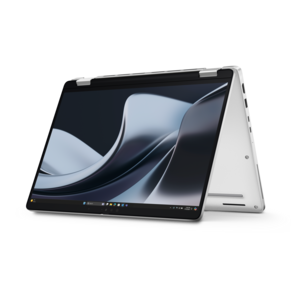
A secure, scalable commercial AI laptop featuring a sleek, durable aluminum body and spacious productivity-focused display.
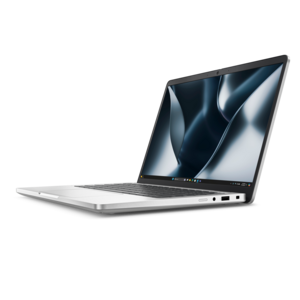
A secure, scalable commercial AI laptop featuring a sleek, durable aluminum body and productivity-focused display.
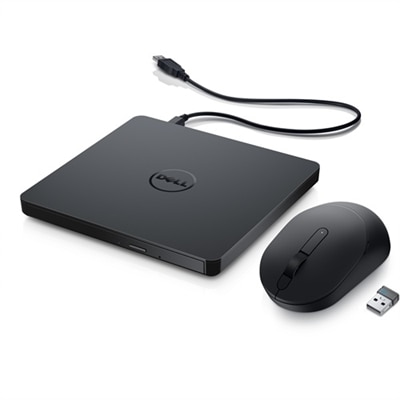
A secure, scalable commercial AI PC in a sleek, durable aluminum body for on-the-go multitasking.
When searching for the right laptop for cybersecurity tasks, it’s important to consider how the demands of this field shape your hardware requirements. Cybersecurity professionals, from penetration testers to security analysts, often juggle multiple virtual machines, run complex scripts, and analyze hefty log files—all at once. This level of multitasking calls for a laptop with substantial processing power, ideally featuring a multi-core CPU that can handle hypervisors and resource-intensive applications with ease. Memory is another crucial factor; while 16GB of RAM may be a starting point, 32GB is often the sweet spot for those who work with virtualization or compile code frequently. Fast, ample storage also makes a difference, especially when storing large datasets, forensic images, or multiple operating system ISOs. An NVMe SSD with at least 1TB of space ensures that you won’t be slowed down by read/write bottlenecks, keeping workflows smooth and responsive. As cybersecurity work often involves switching between different operating systems, compatibility with Windows 11 Pro or Linux distributions can be a significant advantage, particularly for those who need enterprise-grade features or open-source toolsets.
These laptops are not just tools for seasoned professionals; they also make thoughtful gifts for students embarking on cybersecurity studies, recent graduates starting their first infosec roles, or anyone with a keen interest in ethical hacking and digital defense. Picture a graduate unwrapping a high-performance laptop, ready to dive into hands-on labs, set up virtual test environments, or pursue bug bounty challenges. For remote workers and consultants who travel frequently, portability and battery life matter just as much as raw power. Lightweight designs with robust security features—such as built-in TPM chips for encrypted storage, fingerprint readers, and privacy shutters—offer peace of mind during commutes or while working from a bustling café. As the weather warms and routines shift between home, office, and outdoor spaces, a reliable, secure laptop becomes the backbone of productive, flexible cybersecurity work. Whether you’re conducting vulnerability assessments, developing scripts, or managing security operations centers, having the right device ensures you’re ready for whatever the day brings.
Choosing a laptop for cybersecurity means balancing performance with security and adaptability. Many professionals look for devices that support enterprise-level encryption, offer strong Linux compatibility, and provide seamless integration with popular scripting and containerization tools. The right laptop not only empowers you to run penetration testing suites and manage incident response but also adapts to the evolving landscape of digital threats. If you’re evaluating your options for secure, high-performance devices suitable for both remote work and business-critical tasks, you can explore more recommendations on our Best Secure Laptops for Remote Work and Business Use page. With the right laptop, cybersecurity professionals and students alike can confidently tackle the challenges of today’s digital world, whether at a sunlit kitchen table, a quiet office, or a client site across town.
Add the products you would like to compare, and quickly determine which is best for your needs.