$490.00
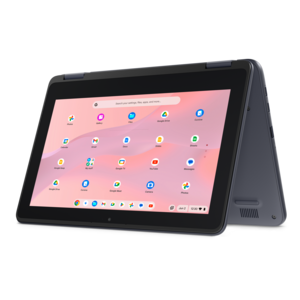
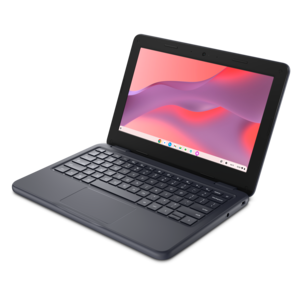
A durable, serviceable Chromebook laptop or 2-in-1 designed specifically for K–12 learning environments.
Discover the perfect blend of performance and affordability with our selection of laptops under $500. Whether you're a student, a professional, or simply in need of a reliable device for everyday tasks, these budget-friendly options offer exceptional value without compromising on quality. Explore versatile models designed to meet your computing needs while keeping your budget intact. Dive into our curated collection and find the ideal laptop that suits both your lifestyle and wallet.
A durable, serviceable Chromebook laptop or 2-in-1 designed specifically for K–12 learning environments.
A durable, serviceable Chromebook or 2-in-1 designed specifically for K–12 learning environments.
An everyday laptop brings schoolwork, household tasks, entertainment, and personal projects together in a format that can move from a desk to the kitchen table. For these uses, a balanced combination of processing power, memory, screen quality, and keyboard comfort often matters more than any single specification. Writing papers, organizing a calendar, streaming a movie, and joining a video call place different demands on a computer, especially when several activities overlap. For everyday multitasking, 8GB of memory is a practical starting point, helping support a document, email, and multiple browser tabs at the same time. More memory can provide additional breathing room for larger spreadsheets or heavier applications, although performance also depends on the processor and software involved. A solid-state drive helps a laptop start up and open applications promptly; 128GB can suit lighter local file needs, while 256GB gives documents, downloaded lessons, and family photos more room alongside the operating system and applications. Usable capacity will be lower than the drive’s stated capacity because system files occupy some of that space. A student who works mainly in a browser has different requirements from someone who keeps years of photographs on the computer, and the operating system needs to support any required school or workplace applications. Browser-based tools can simplify familiar activities, but some assignments, office programs, and connected devices require locally installed software. Dependable internet access also matters when work relies on online documents or remote file access. These laptops are most naturally suited to everyday productivity and entertainment rather than demanding 3D work, intensive gaming, or complex media production. A home user checking appointments, a college student drafting an essay, or a frequent traveler keeping up with messages may all appreciate the same fundamentals: responsive everyday operation, readable text, straightforward controls, and a design that fits into an ordinary day without unnecessary bulk.
Screen size and physical fit shape the experience long after the specifications have been compared. A smaller laptop is easier to slip into a backpack and use on a narrow café table, while a larger display leaves more space for a worksheet beside a reference document. Screen size alone does not determine clarity; resolution, brightness, viewing angles, and surface finish affect how comfortably text and images can be seen. A Full HD display can make text look more defined than a lower-resolution screen of the same size, and an antiglare finish can soften distracting reflections near a window. Bright sunlight remains challenging for many laptop displays, so indoor use and outdoor use are not interchangeable expectations. Keyboard spacing, key response, and palm-rest depth deserve similar attention, particularly for someone writing several pages at a sitting. A numeric keypad can be useful for entering figures, though not every keyboard layout includes one. A responsive touchpad makes everyday navigation easier when there is no room for a mouse. Weight is only part of portability: the laptop’s dimensions, charger size, and fit inside a padded bag also affect how comfortable it is to carry across campus or between appointments. Battery runtime varies with screen brightness, video calls, wireless activity, and background applications, so a published estimate should not be treated as a promise for every routine. A long afternoon away from an outlet puts different demands on a battery than occasional browsing at home. Ports matter for equally practical reasons, whether connecting a monitor at a desk, plugging in a headset, or transferring photographs from a compatible device. Connector shape does not guarantee functionality; a compact multipurpose port may support data without supporting charging or an external display. For video conversations, camera placement, microphone clarity, speaker volume, and any physical camera cover influence day-to-day convenience. A quiet room and light falling toward the user’s face can improve the call experience even before accessories enter the picture.
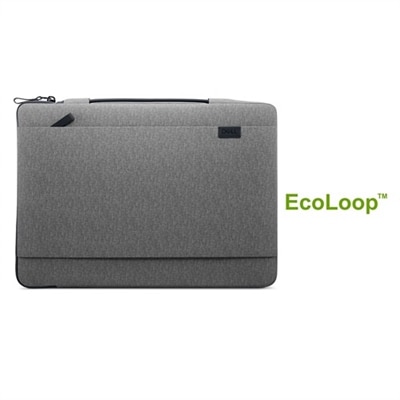
Materials and construction influence how a laptop feels in the hand and how well it handles repeated carrying, opening, and typing. Molded plastic can keep a chassis lightweight and comfortable to hold, while metal components can add rigidity; neither material alone establishes the durability of the whole computer. Hinge design, panel fit, and careful handling also play a role. Opening the display from the center rather than pulling at one corner helps avoid uneven pressure, and carrying the laptop by its base rather than its screen reduces stress on the hinge assembly. A padded sleeve protects against everyday scuffs inside a bag, but heavy books or tightly packed objects can still press against the display. On a desk, a firm, flat surface keeps ventilation openings clear; blankets, pillows, and soft upholstery can block airflow. Routine care is simple but worthwhile: shut the computer down before cleaning, disconnect power, and use a soft, lint-free cloth according to the manufacturer’s care directions. Liquid should never be sprayed directly onto the screen or keyboard, and drinks are best kept away from the work area. Software updates, regular file backups, and sensible account security are just as important to long-term usefulness as keeping the exterior clean. For a shared household computer, separate user accounts help keep assignments, photographs, and personal settings organized. As a gift, a laptop can be useful for a college student beginning a semester, an adult taking continuing-education courses, or a relative who wants a comfortable way to handle correspondence and video calls. The recipient’s required applications, preferred screen size, and comfort with the operating system matter more than assumptions about how the computer will be used. Creative interests deserve particular attention: occasional photo adjustments or trimming a short clip are different workloads from editing long, high-resolution videos with multiple effects. For that more demanding direction, laptops for video editing provide a related category to explore. For everyday work, the most useful fit remains a machine whose screen, controls, connectivity, and performance support the tasks that fill a typical week.
Add the products you would like to compare, and quickly determine which is best for your needs.