Large Format Graphic Printers
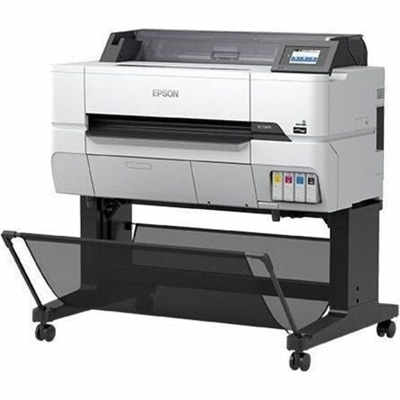
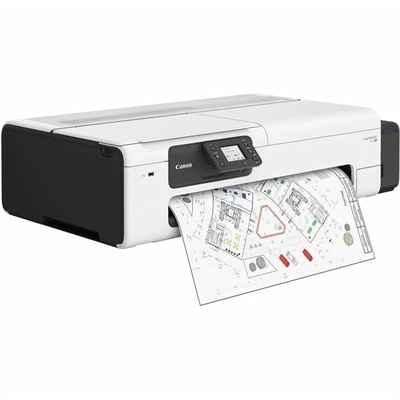
Large format graphic printers are essential tools for businesses and professionals who need to produce high-quality visuals on a larger scale. Whether creating eye-catching posters, detailed architectural plans, or vibrant banners, these printers offer the versatility and precision required for impressive results. Explore a wide selection of large format graphic printers designed to meet the demands of various industries and creative projects, making it easy to bring your ideas to life with exceptional clarity and impact.
This product is not available
Check out the following recommendations.


Large Format Graphic Printers
Large format graphic printers are designed for visual work that needs more room than a standard office printer can provide, from oversized posters and exhibition graphics to fine-art reproductions, retail signage and photographic displays. Depending on the model, printable widths may range from approximately 18 inches to more than 60 inches, with some production-focused systems supporting media over 100 inches wide. This added capacity makes it possible to create wall graphics, banners, window displays, backdrops and gallery-style artwork with fewer seams and less manual assembly. A large format graphic printer can be a practical choice for sign shops, photographers, artists, architects, event professionals, marketing teams, schools and businesses that regularly produce visual materials in-house. It can also suit a creative studio that wants greater control over color, paper selection and turnaround. When browsing a selection of Large Format Display Printers, start by considering the largest finished piece you expect to produce, not only the typical project. A studio that usually prints 24-inch posters may eventually need a wider roll for a trade-show wall, panoramic photograph or retail installation. Check the maximum media width, roll length, sheet compatibility and whether the printer supports the materials you already use. Media handling is especially important: roll-fed designs are convenient for long banners and continuous graphics, while sheet-fed or flatbed capabilities may be better suited to rigid boards and specialty substrates. Also review the printer’s footprint, weight, clearance requirements and loading process. A machine that fits comfortably in a dedicated production area is easier to operate consistently, especially when media rolls must be stored nearby and finished prints need a clean, level place to dry or cure.
Ink technology has a direct effect on image quality, durability, compatible media and the kinds of projects a printer can handle. Aqueous pigment ink systems are often chosen for indoor photography, fine art, proofing and high-end posters because they can produce subtle tonal transitions, detailed shadows and rich color on coated photo paper, canvas and fine-art media. Pigment formulations are valued for their resistance to fading, although the expected display life still depends on the paper, lighting and protective finishing. Latex printers use water-based inks that are cured with heat as the print is produced. They are versatile for indoor graphics, banners, wall coverings, decals and some outdoor applications, with relatively low odor compared with certain solvent-based processes. Because the print is typically ready for handling soon after production, latex technology can be useful when graphics need to move quickly from the printer to trimming, mounting or installation. Solvent and eco-solvent systems are commonly associated with outdoor signage, vehicle graphics, durable decals and flexible vinyl, where resistance to weather and abrasion is a priority. UV printers cure ink with ultraviolet light and may print directly onto selected rigid or flexible materials, making them suitable for applications such as boards, panels and promotional displays when the printer is built for that workflow. Not every ink type works with every substrate, so confirm media profiles and finishing requirements before choosing. Aqueous prints may need lamination for demanding environments, while outdoor graphics may require a compatible overlaminate, edge sealing or other protection. Color management is another central consideration. Look for a printer with a broad color gamut, dependable printheads and support for color profiles that match your media. Multiple ink channels can improve gradations and help reproduce brand colors, skin tones, deep blacks and fine photographic detail. Built-in calibration tools, nozzle checks and automated maintenance can also make a noticeable difference when several people share the equipment.
Productivity features matter as much as image quality when large format graphic printers are part of a working design or print operation. Compare rated print speeds across the media types you intend to use, since a device may produce a fast draft on plain media but take longer at high quality on coated paper, canvas or vinyl. Consider the balance between speed and resolution: a distant outdoor banner may not require the same fine detail as a photographic print viewed from a few feet away. A printer with multiple roll support, automatic media switching or a larger ink capacity can reduce interruptions during long production runs. Maintenance is part of ownership, so review the expected cleaning routine, replaceable components, ink consumption and waste handling. Easy access to cartridges and printheads can simplify routine tasks, while reliable nozzle monitoring can help prevent a small blockage from affecting an entire run. Software compatibility deserves attention as well. Many professional workflows use RIP software for nesting, tiling, color management, spot colors and estimating ink usage; confirm that the printer works with the applications used by your team. A nearby laptop or desktop with a calibrated display can help designers preview dimensions, crop marks and color before sending a file to print. For offices, classrooms and studios, check connection options, user access controls and operating-system compatibility without overlooking the practical details of noise, heat and ventilation. During warmer conditions, allow adequate airflow around the printer and store media away from direct sunlight; during cooler months, keep paper, vinyl and canvas in a stable environment so humidity changes do not affect curling or adhesion. Before purchasing, estimate monthly print volume, typical media width, color requirements and the cost of ink and consumables over the printer’s expected working life. The right choice should fit both the creative ambition of the work and the everyday rhythm of producing, inspecting, trimming and installing large graphics.
FAQs:
Large format graphic printers are designed to handle a wide variety of media types, including glossy photo paper, matte paper, canvas, vinyl, adhesive-backed materials, and specialty substrates. This versatility allows you to create everything from professional posters and banners to fine art prints and durable indoor or outdoor signage.
Large format graphic printers are widely used by graphic designers, architects, educators, marketing professionals, print shops, and photographers. They are ideal for anyone who needs to produce high-quality, oversized prints for presentations, events, advertising, or creative projects.
When considering a large format MFP, look for features such as integrated scanning and copying capabilities, user-friendly touchscreen controls, cloud connectivity, and the ability to handle multiple media types. These features can help streamline your workflow and make it easier to manage complex print projects.
A large format graphic printer allows you to bring your creative vision to life with vivid colors, sharp details, and the flexibility to print on various materials. Whether you’re producing custom artwork, marketing displays, or educational materials, the ability to print at a larger scale can make your projects more impactful and professional.
Yes, many large format graphic printers are compact enough for home studios or small businesses. They are especially valuable for hobbyists, artists, or entrepreneurs who want to produce high-quality prints, personalized gifts, or unique décor pieces without outsourcing their printing needs.