Large Format Printers for Artists
Large-format printers for artists open up new possibilities for creative expression, allowing you to produce vibrant artwork, detailed illustrations, and gallery-ready prints on a grand scale. Whether you’re preparing pieces for exhibitions or fulfilling client commissions, these printers are designed to support your artistic vision with exceptional quality and flexibility. Explore a wide selection of large-format printers for artists to find the perfect match for your studio and elevate every project with professional results.
This product is not available
Check out the following recommendations.



Large Format Printers for Artists
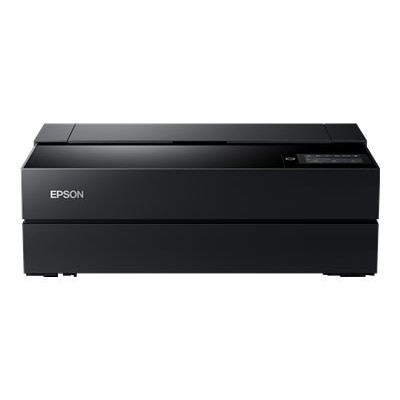
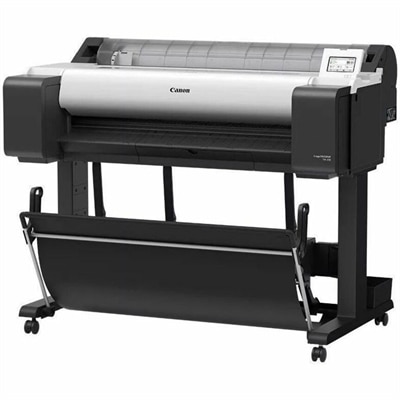
Large format printers for artists bring the detail, color, and physical presence of a studio piece to paper, canvas, and other specialty media. Unlike standard office printers designed for everyday documents, these wide-format systems are built to handle larger dimensions, richer tonal transitions, and the careful presentation that fine art demands. They can be a practical choice for illustrators, photographers, painters, graphic artists, architects, educators, galleries, and small creative businesses that need control over the finished image. A printer with a 17-inch, 24-inch, 36-inch, or 44-inch output width can support everything from portfolio prints and exhibition pieces to panoramic photography and oversized reproductions. The right size depends on the work being produced and the space available in the studio. A compact model may fit comfortably beside a worktable in a home office, while a wider printer can accommodate gallery-scale compositions without piecing together multiple sheets. During the cooler months, when artists may spend more time refining work indoors, having a dependable printer nearby can make it easier to proof an image, compare color adjustments, and create finished pieces without sending every project to an outside print service. These printers can also make thoughtful gifts for working artists, photography students, designers, or creative professionals setting up a first studio, particularly when the recipient values hands-on control over how their work is reproduced.
Print quality begins with the ink system. Pigment-based inks are often preferred for fine art because they are formulated for strong color stability and long-term display, helping finished prints resist fading when they are properly stored, framed, and protected from direct sunlight. Dye-based systems can produce vivid results for certain applications, but artists seeking archival output should pay close attention to pigment formulation, published permanence information, and the types of media supported by the printer. A wider selection of ink colors can also make a meaningful difference. Systems with eight, ten, or twelve color channels may produce smoother gradations in skies, skin tones, shadows, and subtly textured brushwork than a basic four-color setup. Additional colors can expand the printable gamut, helping a printer reproduce nuanced greens, deep blues, warm neutrals, and difficult-to-match hues with greater consistency. Look for dedicated photo and matte black channels when both glossy and fine art media are part of the workflow, as switching between media types should be straightforward and should not require excessive waste or manual intervention. Resolution matters, but it is only one part of the result. Precise droplet placement, balanced ink density, accurate color management, and reliable printhead performance all contribute to the fine edges and gentle transitions that make an art print feel intentional. Support for professional color profiles, calibration tools, and commonly used design applications can further reduce the gap between what appears on a calibrated display and what emerges from the printer.
Media handling deserves equal attention, especially for artists who move between photographic paper, cotton rag, watercolor paper, coated matte stock, adhesive sheets, and canvas. Check the printer’s specifications for the maximum media thickness, sheet dimensions, roll compatibility, and loading method before choosing a system. Heavy cotton rag and textured papers often require a straighter paper path or a specialty rear feed, while canvas may need careful alignment to prevent skewing or surface contact. Roll support is useful for long panoramic images, banners, oversized illustrations, and efficient production of multiple prints, and some systems can accommodate more than one roll for different media types. Artists who sell prints may appreciate features that simplify repeatable output, including automatic cutting, borderless printing, dependable paper detection, and clear status alerts. Those creating canvas reproductions can explore Large Format Canvas Printers for options suited to stretched-canvas artwork, gallery wraps, and decorative wall pieces. Before purchasing, consider the printer’s footprint, ventilation needs, connectivity, operating noise, ink capacity, and ongoing maintenance routine. A larger chassis may deliver wider output but require a dedicated stand or more room behind the unit for media loading. Wireless connectivity can be convenient in a shared studio, while wired connections may be preferable for large image files and consistent professional workflows. Think about the complete path from editing to display: monitor calibration, file format, color profile, media profile, drying time, protective coating, and framing all influence the final appearance. With the right combination of width, pigment inks, color channels, media support, and manageable studio design, a large format printer can become part of an artist’s daily process, turning a digital file or scanned original into a tactile work with scale, texture, and lasting visual impact.
FAQs:
Pigment-based inks are generally preferred for fine art printing because they offer superior longevity, color stability, and resistance to fading over time. These inks are ideal for artists who want their prints to maintain vibrancy and detail for years, making them suitable for gallery-quality reproductions and archival purposes.
Yes, most large format printers designed for artists support a wide variety of media, including textured watercolor papers, heavy cotton rag, glossy photo papers, and canvas. This versatility allows artists to experiment with different substrates to achieve the desired texture and finish for each print.
Color management is crucial for artists who require accurate and consistent color reproduction. Utilizing color calibration tools and ICC profiles helps ensure that the colors in your digital files match the final printed output, maintaining fidelity to your original vision across different media and print runs.
Absolutely. Large format printers are often used by artists to produce high-quality, limited edition prints. The ability to control the entire printing process allows for consistent results and the opportunity to sign and number each print, adding value and authenticity for collectors.
Regular maintenance, such as running nozzle checks, cleaning print heads, and using the printer's built-in maintenance routines, helps prevent clogs and ensures optimal print quality. It's also important to store inks and media properly and to keep the printer in a clean, dust-free environment to maintain consistent results.