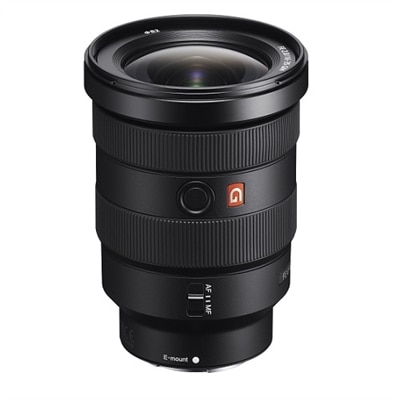
$2099.99
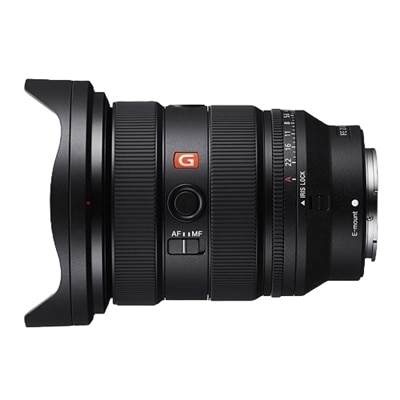
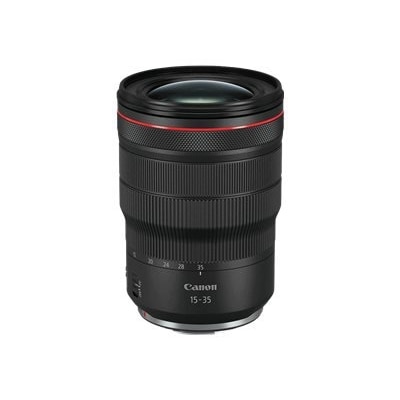
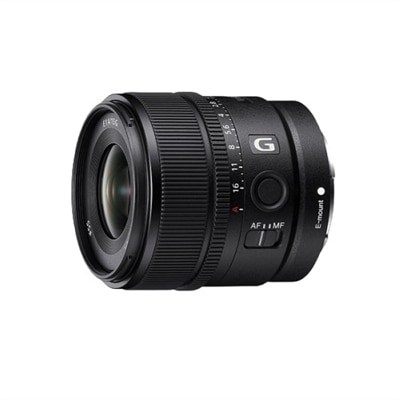
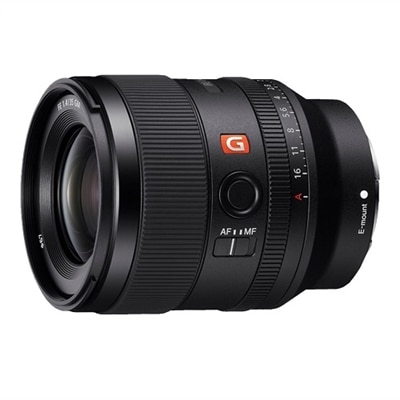
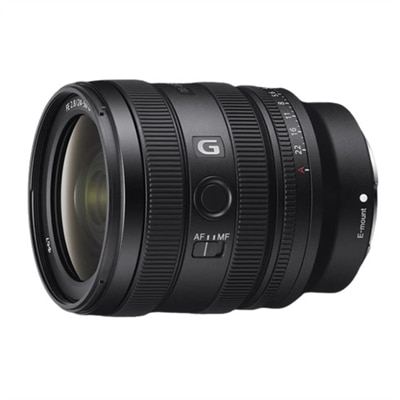
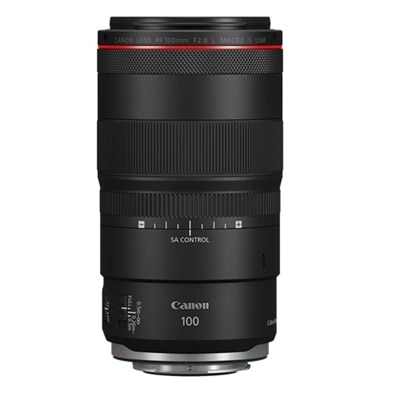
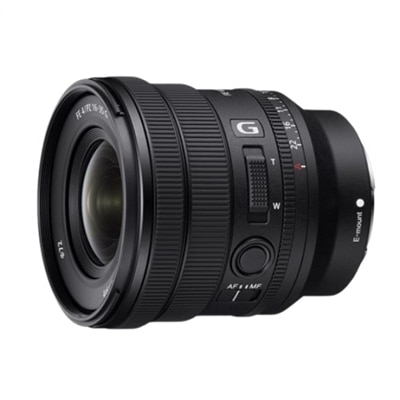
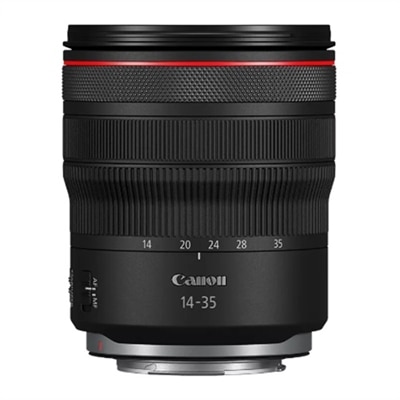
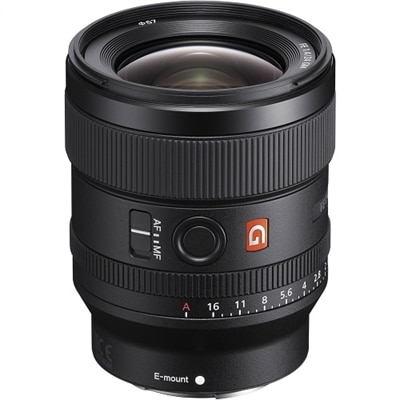
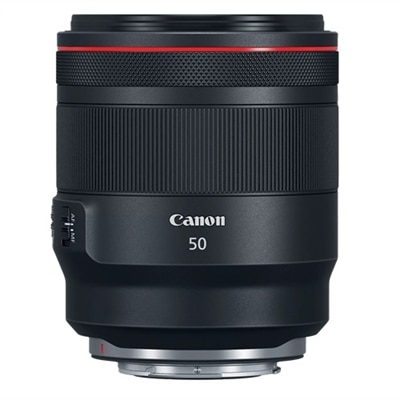
A compact wide-angle zoom lens offering superb resolution and stunning bokeh for creative photography.
Capture the breathtaking beauty of the night sky with lenses for astrophotography designed to elevate your stargazing experience. Whether you’re aiming to photograph distant galaxies, star clusters, or the glowing arcs of the Milky Way, the right lens can make all the difference in achieving stunning results. Explore a curated selection of lenses for astrophotography that help unlock new creative possibilities and bring celestial wonders into sharp focus.
A compact wide-angle zoom lens offering superb resolution and stunning bokeh for creative photography.
A compact, lightweight wide-angle zoom lens offering exceptional resolution, bokeh, and superior autofocus performance.
A compact, ultra-wide 16mm f/2.8 lens ideal for landscapes, interiors, and vlogging with EOS cameras.
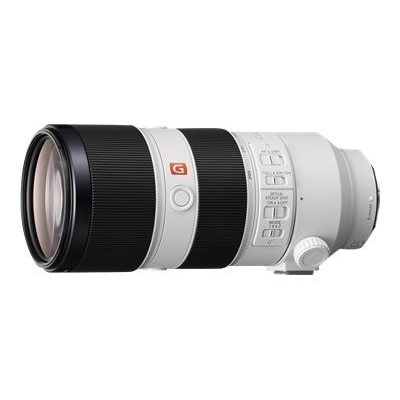
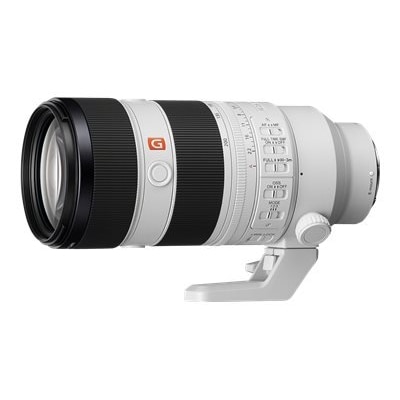
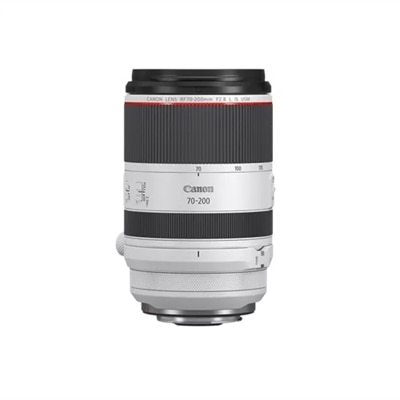
A 70-200mm F2.8 telephoto zoom lens offering exceptional resolution, bokeh, and advanced image stabilization.
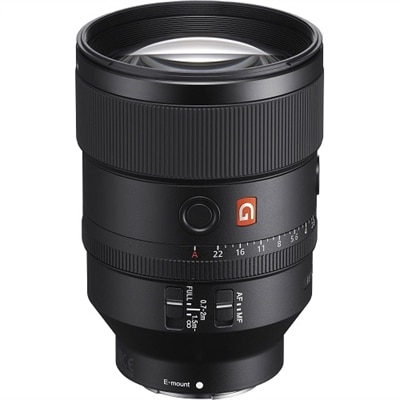
A 135mm F1.8 prime telephoto lens offering superb resolution, exquisite bokeh, and advanced autofocus.
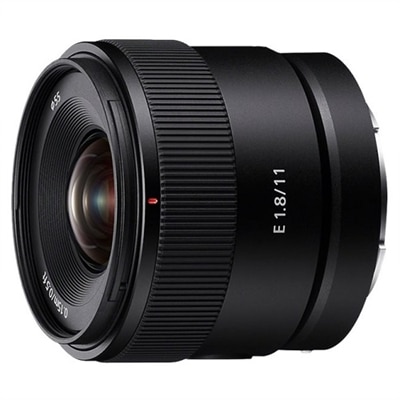
An ultra-wide 11mm F1.8 APS-C lens with fast autofocus, aspherical elements, and weather resistance.
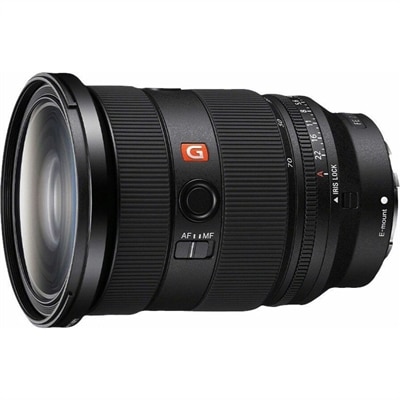
A wide-angle zoom lens with f/2.8 aperture, image stabilization, and weather-sealed construction for versatile photography.
A lightweight telephoto zoom lens with advanced AF, stunning resolution, and exquisite bokeh for Sony E-mount.
A compact, lightweight telephoto lens with fast Nano USM focusing and up to 6 stops of stabilization.
A versatile 24-70mm F2.8 lens ideal for capturing stunning photos and videos.
A dustproof, moisture-resistant 50mm f/1.2 lens with extreme aspherical elements and dynamic linear motor.
A compact, lightweight 15mm wide-angle lens with F1.4 aperture, offering stunning resolution and bokeh.
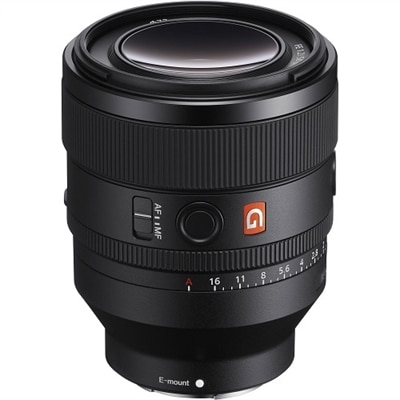
A compact 50mm F1.4 lens offering exceptional resolution, bokeh, and reliable autofocus for E-Mount cameras.
A compact, high-quality lens with extreme aspherical glass and moisture-resistant design for stunning photography.
A compact, water-resistant zoom lens with a constant F2.8 aperture for stunning everyday photography.
A versatile macro lens with 1.4x magnification, f/2.8 aperture, and advanced image stabilization.
An ultralight, dust and moisture resistant wide-angle zoom lens with exceptional autofocus for content creators.
An ultra wide-angle aspherical zoom lens with 5.5 stops shake correction and constant f/4 aperture.
A compact, lightweight lens offering high resolution, natural bokeh, and fast, precise autofocus.
A bright f/1.2 fixed lens designed for Canon RF mount, delivering sharp images with beautiful background blur.
A compact telephoto zoom lens with f/2.8 aperture, ideal for low-light photography and videography.
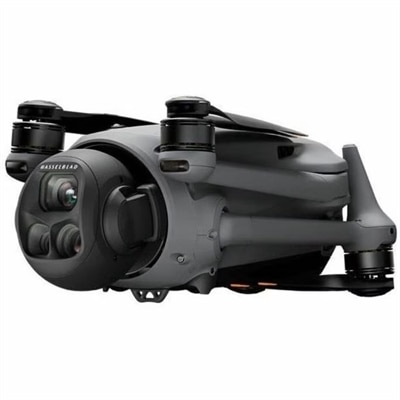
A professional drone with tri-camera imaging, 100MP Hasselblad sensor, 6K HDR video, and advanced night vision.
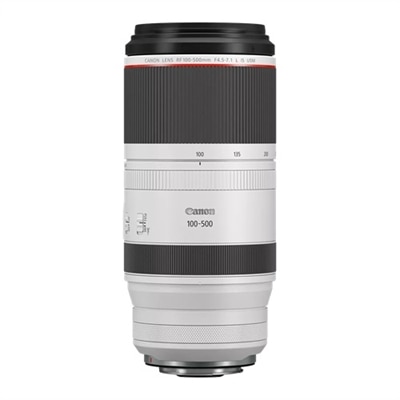
A compact super telephoto zoom lens with 100-500mm range, ideal for sports and wildlife photography.
A rugged, bright f/2 zoom lens offering stellar image quality for Canon's EOS R mirrorless cameras.
Astrophotography lenses open up an entirely new dimension of creativity for photographers who are drawn to the night sky. Whether you’re an experienced stargazer or just beginning to explore celestial photography, selecting the right astrophotography lens can make all the difference in capturing breathtaking images of the Milky Way, constellations, or even distant galaxies. The key features to look for in an astrophotography lens are a fast aperture—ideally between f/1.4 and f/2.8—and a wide field of view. This combination allows the lens to gather as much light as possible in a short exposure, minimizing noise and star trailing while revealing the subtle colors and intricate details of the cosmos. As the weather warms and nights grow longer, many enthusiasts find themselves venturing out to remote locations, away from city lights, to make the most of clear, dark skies. For some, a summer camping trip or an evening hike becomes an opportunity to set up a tripod and capture the glowing arc of the Milky Way as it stretches across the horizon. Others may prefer the crisp clarity of early fall nights, when cooler air can bring sharper views and less atmospheric distortion.
Astrophotography lenses are not just for seasoned professionals—they make thoughtful gifts for anyone with a passion for photography, science, or the outdoors. They’re ideal for hobbyists who want to document meteor showers, lunar eclipses, or simply the beauty of a star-filled sky. Families often find joy in sharing the experience, setting up a camera together to capture a time-lapse of the stars drifting overhead. Educators and students alike can use these lenses for school projects or astronomy clubs, turning lessons about the universe into tangible, awe-inspiring images. When choosing an astrophotography lens, it’s important to consider factors such as manual focus capability, which becomes essential in low-light conditions where autofocus may struggle. Lenses designed with minimal optical distortion—such as reduced coma and astigmatism—ensure that stars remain sharp and round, even at the edges of the frame. Some photographers gravitate toward ultra-wide prime lenses for expansive landscape shots that include both the earth and the sky, while others may select telephoto options to zoom in on distant nebulae and galaxies. The versatility of these lenses also means they can be used for other genres of photography; for example, those interested in cityscapes or candid urban scenes might also appreciate exploring our selection of Lenses For Street Photography.
No matter your level of expertise, the right astrophotography lens can transform an ordinary night into a memorable adventure. The excitement of seeing your first long-exposure image—stars rendered as crisp pinpoints against a velvety sky, with subtle colors and swirling clouds of interstellar dust—never fades. Many photographers recall the thrill of their first successful Milky Way shot, taken after hours of careful planning and patient waiting under the stars. As you browse the collection, imagine the possibilities: capturing the Perseid meteor shower streaking across the summer sky, framing the delicate glow of the Andromeda Galaxy, or preserving the quiet majesty of a moonlit landscape. With thoughtfully chosen astrophotography lenses, each outing becomes an opportunity to create images that inspire wonder and connect us to the vast universe overhead. Whether you’re gifting a lens to a loved one or expanding your own creative toolkit, these lenses are designed to help you make the most of every clear night, from the balmy evenings of summer to the crisp, clear air of early fall.
Key features to consider in an astrophotography lens include a wide maximum aperture (f/1.4 to f/2.8) for capturing more starlight, a wide or medium focal length for landscape and deep-sky shots, minimal coma and distortion for sharp stars across the frame, and reliable manual focus for precise adjustments in low light.
Yes, many astrophotography lenses excel in other low-light scenarios such as street, landscape, or architectural photography. Their wide apertures and sharp optics make them versatile tools for a range of creative pursuits beyond night sky imaging.
Astrophotography lenses make meaningful gifts for stargazers, outdoor adventurers, amateur astronomers, and photographers who enjoy capturing the beauty of the night sky or experimenting with creative low-light photography.
Manual focus is crucial in astrophotography because autofocus systems often struggle in low-light conditions. Manual focus allows for precise control, ensuring that stars and celestial objects remain sharp and well-defined in your images.
Focal lengths between 14mm and 35mm are ideal for wide-field astrophotography, allowing you to capture expansive views of the Milky Way, star fields, and nightscapes. For detailed shots of specific celestial objects, longer focal lengths such as 85mm or 135mm are recommended.
Add the products you would like to compare, and quickly determine which is best for your needs.