$1649.00
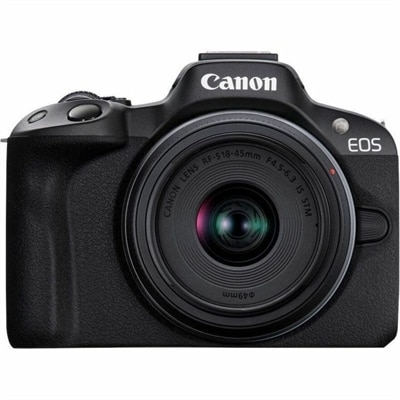
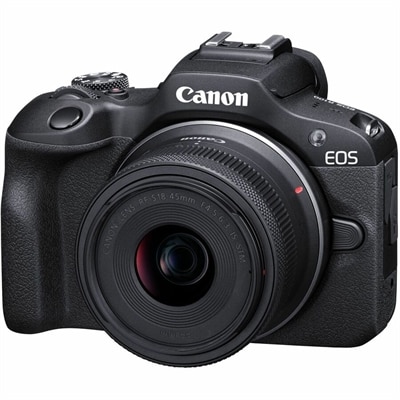
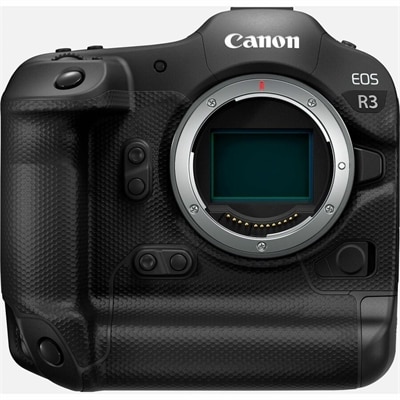
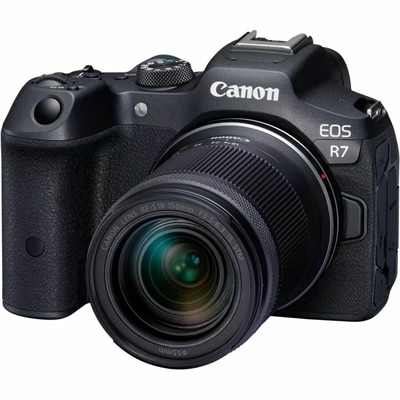
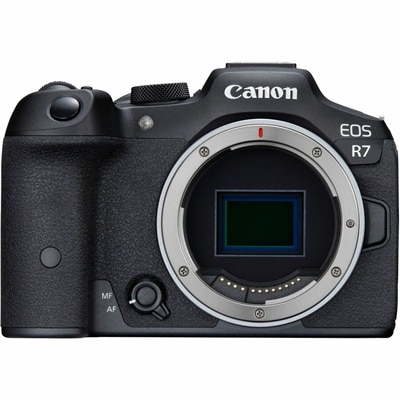
A black mirrorless camera featuring a 32.5MP sensor, 15fps mechanical shutter, 7-stop stabilization, and 4K60p video.
Capture life's moments with precision and clarity using mirrorless cameras, the perfect blend of advanced technology and sleek design. Ideal for both budding photographers and seasoned professionals, these cameras offer a versatile solution for capturing stunning images and videos in any setting. With their compact size and interchangeable lenses, mirrorless cameras are designed to deliver exceptional image quality while providing the flexibility to explore different creative possibilities. Discover a range of options that cater to every style and skill level, empowering you to elevate your photography game effortlessly.
A black mirrorless camera featuring a 32.5MP sensor, 15fps mechanical shutter, 7-stop stabilization, and 4K60p video.
Mirrorless cameras combine the creative control of an interchangeable-lens camera with a compact design that suits everyday carrying. Instead of using a physical mirror and optical viewfinder, a mirrorless camera relies on a digital image sensor and an electronic viewfinder (EVF) or LCD screen to show a live preview of the scene. This design can make the camera smaller and lighter than many traditional DSLR models, which is useful when walking through a city, hiking a wooded trail, documenting family gatherings or packing photography equipment for a trip. The electronic viewfinder can display an approximation of exposure, color and depth of field before the shutter is pressed, helping photographers make adjustments with more confidence. Many mirrorless cameras also offer responsive autofocus with face, eye and subject tracking, making it easier to keep a moving child, pet, performer or athlete in focus. Interchangeable lenses add flexibility for different kinds of photography: a wide-angle lens can capture architecture, landscapes and group portraits; a standard lens works well for travel and everyday scenes; a portrait-oriented lens can create flattering perspective and softly blurred backgrounds; and a telephoto lens can bring distant wildlife or action closer. Sensor format is another important consideration. Full-frame sensors are often chosen for their strong low-light performance and ability to create pronounced background separation, while APS-C and other crop-sensor formats can provide a smaller overall system and useful reach with telephoto lenses. Resolution, image stabilization, autofocus performance, video features and lens availability all influence how a camera performs in real-world use, so the right choice depends on the kinds of images and videos a photographer hopes to make.
A mirrorless camera can fit many creative routines, from a first serious camera for someone learning manual controls to a capable tool for an experienced photographer who wants a lighter kit. Beginners may appreciate automatic and scene modes while gradually exploring shutter speed, aperture, ISO and exposure compensation. A camera with a comfortable grip, clearly arranged controls and an easy-to-read menu can make that learning process feel more natural, especially during a fast-moving moment when there is little time to search through settings. Travelers often value a lightweight body, dependable autofocus and a versatile zoom lens that can move from broad scenic views to closer details without requiring a full bag of equipment. Portrait photographers may prioritize skin-tone rendering, eye detection and lens compatibility, while wildlife and sports photographers may focus on continuous shooting speed, subject tracking and telephoto options. For video creators, features such as 4K recording, a movable screen, microphone support, headphone monitoring and image stabilization can help produce smoother, more polished footage. Mirrorless cameras can also be a thoughtful gift for a graduate, traveler, hobbyist or family member who enjoys documenting experiences, though the recipient’s preferred system and lens mount are worth considering before adding accessories. A spare battery and memory card can be practical additions because the electronic viewfinder, rear display and sensor remain powered during use, which can lead to shorter battery life than some DSLR designs. A compact charger, protective case, camera strap and comfortable bag can make the equipment easier to carry, while a tripod can help with landscapes, long exposures and self-timed group photos. For handheld video or walking footage, explore Mirrorless Camera Gimbal Stabilizers as another way to support steady movement and controlled framing.
When comparing mirrorless cameras, consider the complete photography system rather than the camera body alone. Check the available lenses and their sizes, prices and focal lengths, since a small body can become less portable when paired with several large lenses. Think about how the camera feels in the hand, whether the controls are easy to reach and whether the viewfinder remains clear in bright outdoor light. A fully articulating screen can help with low-angle compositions, overhead shots and self-recording, while a tilting screen may offer a slimmer design for travel. Weather-resistant construction can be valuable for photographers who work outdoors during changing conditions, although no camera should be exposed to unnecessary moisture or dust. Storage requirements also deserve attention: high-resolution photographs and video files can fill memory cards quickly, so fast, compatible cards and a reliable method for transferring files are useful parts of the setup. During the cooler months, photographers may notice that batteries drain faster in low temperatures; carrying a charged spare close to the body can help preserve shooting time. In bright fall landscapes, indoor gatherings or softly lit winter streets, a mirrorless camera can provide the control to preserve detail in highlights and shadows while letting the photographer respond quickly to changing light. The most satisfying choice is one that matches the user’s habits, comfort level and creative plans, whether that means making family portraits, recording travel memories, photographing food and crafts, exploring nature or developing a more deliberate approach to composition.
Add the products you would like to compare, and quickly determine which is best for your needs.