Mirrorless Full Frame Digital Cameras
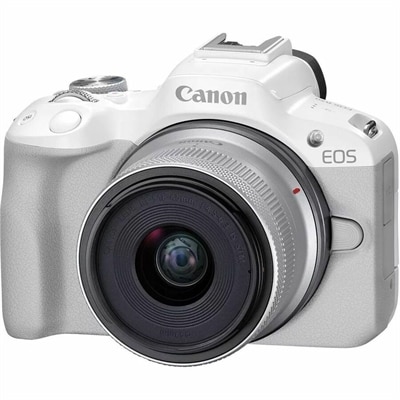
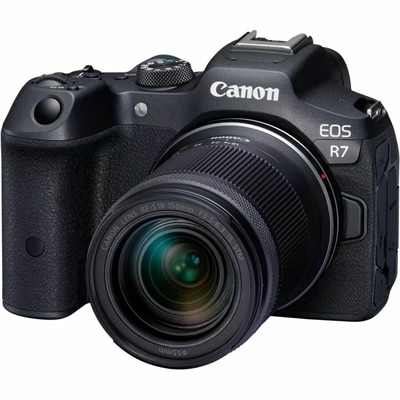
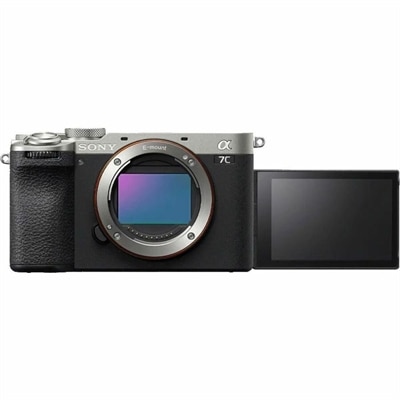
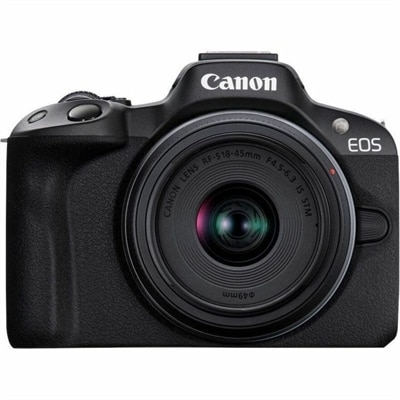
Mirrorless full frame digital cameras offer photographers and content creators a powerful combination of performance and portability. Designed to capture stunning images and videos in a wide range of environments, these cameras provide exceptional image quality and creative flexibility. Whether you're an experienced professional or an enthusiastic hobbyist, mirrorless full frame digital cameras deliver the versatility needed to bring your vision to life. Explore options that blend advanced technology with user-friendly design, making it easy to elevate your photography and videography projects.
This product is not available
Check out the following recommendations.



Mirrorless Full Frame Digital Cameras
Mirrorless full frame digital cameras combine a sensor approximately the size of a traditional 35mm film frame with a compact design that does not require the mirror mechanism found in a DSLR. That larger sensor gives photographers more room to work with light, depth of field and fine detail, while the electronic viewfinder can show a live preview of exposure, color and focus before the shutter is pressed. For everyday photography, this can mean cleaner images indoors, smoother tonal transitions in portraits and greater flexibility when cropping a landscape or architectural scene. The absence of a mirror also allows many mirrorless cameras to offer quiet shooting modes, rapid bursts and advanced subject recognition in relatively streamlined bodies. A full-frame model can be a strong choice for someone moving beyond a phone or entry-level camera, but it is equally suited to an experienced photographer who wants dependable performance in a smaller travel kit. Consider how the camera will be held and carried as carefully as its specifications. A body that feels balanced with a lens, has clearly placed controls and provides a bright, responsive viewfinder is more likely to come along on a foggy morning walk, a family gathering or a long day exploring a new city. Beginners may appreciate automatic modes and guided menus, while more experienced users often look for customizable buttons, manual exposure controls and a viewfinder that makes it easy to judge highlights and shadows in bright outdoor conditions. These cameras can also make thoughtful gifts for a graduate, traveler, hobbyist or family member documenting a new chapter, especially when the system leaves room to expand with additional lenses and accessories over time.
Resolution is one of the most visible specifications, but it should be considered alongside the type of photography being done. A sensor in the mid-20-megapixel range can produce detailed images for prints, albums and online sharing while keeping file sizes manageable. Higher-resolution options preserve more detail for large prints, commercial work and substantial crops, though they can require more storage and a faster computer for editing. For moving subjects, autofocus performance and continuous shooting speed may matter more than maximum resolution. Look for reliable tracking that can recognize people, animals, vehicles or other subjects and maintain focus as they move through the frame. A responsive burst mode can help capture the instant a runner crosses the finish line, a dog leaps from a dock or a dancer reaches the peak of a jump. Photographers focused on action can explore Mirrorless Cameras For Sports Photography while comparing focus tracking, buffer capacity and lens availability. In-body image stabilization is another useful feature, particularly for handheld work in dim interiors, at twilight or with a telephoto lens. It can help reduce the effect of small movements at slower shutter speeds, although stabilization does not freeze a moving person or pet; a faster shutter speed is still important for action. Video creators should review recording resolution, frame rates, microphone and headphone connections, stabilization behavior, heat management and the availability of a fully articulating or tilting screen. A camera that supports high-quality video can serve a photographer who also creates interviews, travel clips, tutorials or family films, but practical handling often matters as much as headline specifications. Easy switching between stills and video, dependable autofocus during recording and straightforward file transfer can make the difference between a camera that stays in a bag and one that becomes part of a daily routine.
The lens system is central to the full-frame experience, so budget for glass, batteries, memory cards and a protective bag rather than focusing only on the camera body. A wide-angle lens can bring a sweeping mountain view, a cramped room or a dramatic building into the frame. A standard zoom is a versatile starting point for trips, gatherings and street photography, while a bright prime lens can create a softly blurred background for portraits and gather more light at an evening event. A telephoto lens brings distant subjects closer and is useful for wildlife, field sports and candid moments from a respectful distance. Check mount compatibility before choosing additional lenses, and compare the size and weight of the complete setup; a lightweight body paired with a large lens may feel very different from the same body with a compact prime. Weather resistance can be valuable for outdoor work, but it does not make a camera invulnerable, so a rain cover and dry storage remain sensible additions. Battery life, charging options and spare batteries deserve attention for travel and long events, while dual card slots may provide extra capacity or an automatic backup of important images. Wi-Fi and Bluetooth can simplify transfers to a phone, but a reliable wired connection and a fast card reader are useful when moving large files. New photographers will get the most from a camera they can comfortably carry and operate, while advanced users may prioritize high-resolution sensors, rapid readout, extensive customization and robust video tools. With the right lens and a little practice, a full-frame mirrorless camera can preserve the quiet details that are easy to miss: window light across a kitchen table, the texture of an old brick wall after rain or the expression that appears for only a fraction of a second.
FAQs:
Mirrorless full frame digital cameras offer a larger sensor, which results in superior image quality, better performance in low-light situations, greater dynamic range, and the ability to achieve a shallower depth of field for beautiful background blur. These benefits are especially valuable for portrait, landscape, and professional-level photography.
Photographers and videographers who are looking for enhanced image quality, improved performance in challenging lighting, and more creative control will benefit most from upgrading. This includes hobbyists ready to take their skills to the next level, professionals who require top-tier results, and content creators who want cinematic video capabilities.
Modern mirrorless full frame digital cameras typically feature advanced autofocus systems with faster, more accurate subject tracking and wider coverage across the frame. This makes them especially effective for capturing fast-moving subjects, such as in sports, wildlife, or event photography.
Yes, many mirrorless full frame digital cameras are designed to be compact and lightweight, making them ideal for travel, street photography, and everyday shooting. Their portability, combined with high image quality and versatile features, allows users to capture stunning images wherever they go.
Full frame sensor mirrorless cameras excel in a wide range of creative projects, including portraiture, landscape photography, event coverage, video production, and low-light shooting. Their high resolution, color accuracy, and advanced video features make them a popular choice for both stills and multimedia storytelling.