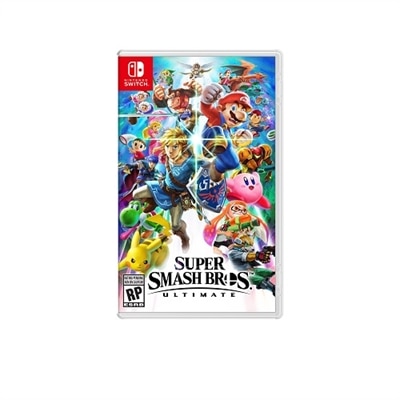
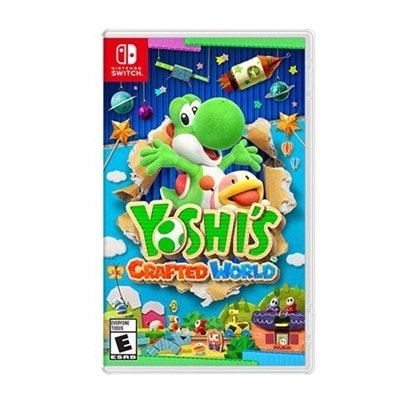
Multiplayer Video Games
Multiplayer video games bring friends, family, and gaming communities together for exciting shared experiences. Whether you’re teaming up for cooperative missions or competing in fast-paced matches, these games offer endless opportunities for connection and fun. Explore a wide range of multiplayer video games designed to suit every play style and skill level, and discover new ways to enjoy interactive entertainment with others.
This product is not available
Check out the following recommendations.




Multiplayer Video Games
Multiplayer video games bring two or more players into a shared game experience, whether they are sitting together in one room or connecting online from different locations. Cooperative multiplayer, often called co-op, lets players work toward common goals, such as solving puzzles, completing missions, building a settlement, or overcoming computer-controlled opponents. Competitive multiplayer places individuals or teams against one another in contests shaped by timing, strategy, coordination, or quick reactions. Local multiplayer supports play on compatible devices in the same space, sometimes through a shared screen or split-screen view, while online multiplayer connects players over the internet. These categories can overlap: a game might feature a cooperative campaign alongside competitive matches, or support both local and online sessions. The appeal often comes from how another person changes the experience. A familiar racetrack becomes less predictable when a friend takes the inside line, and a difficult puzzle feels different when one player spots a pattern the other has missed. Genres offer distinct ways to share that experience. Sports and racing games center on recognizable contests and repeatable rounds; strategy games reward planning and adaptation; role-playing adventures can emphasize complementary character abilities and long-term progress. Cooperative building and simulation games may leave more room for conversation, experimentation, and shared creative projects. Party games typically favor lively group interaction, although their rules, pacing, and supported player counts vary. For a household gathering, the most relevant distinction may be whether everyone can participate on one screen. For friends who live far apart, compatible online play and a convenient way to form a private group may matter more. Multiplayer does not always mean every action happens simultaneously, either: some games use turn-based play, giving participants time to consider each move. That range makes multiplayer video games suitable for everything from a short rematch after dinner to a recurring evening adventure with a regular team.
The fit of a multiplayer game depends as much on its technical requirements and supported modes as on its setting or genre. Platform compatibility determines where the game runs, while the requirements for each multiplayer mode determine how a group can actually play together. Local play may call for additional compatible controllers, and some games require a separate device and copy for each participant. Online features may require an account, a paid platform membership, or other services, depending on the game and system. Cross-platform play allows people on different supported platforms to join the same session, but support can be limited to particular versions or modes. Cross-progression is a separate feature that may carry eligible progress between platforms; it does not automatically mean friends can play together across those platforms. On a gaming laptop or desktop, processor, graphics, memory, and drive-space requirements help establish whether a game is an appropriate match. Minimum requirements describe a baseline rather than a promise of smooth performance at every visual setting, particularly when busy scenes fill the screen with players and effects. A stable internet connection matters for online sessions, while connection delay can be especially noticeable in fast competitive matches. Display size and seating distance also affect comfort: split-screen views leave each player with a smaller area for reading maps, tracking movement, and following on-screen text. Headsets with clear microphones can support team communication, although text chat, visual markers, and built-in signals may provide useful alternatives where supported. Format introduces practical differences as well. Digital games depend on compatible accounts, download access, and licensing terms, while physical editions may require a compatible disc drive and can still need downloads or updates. Where a game uses a disc, careful handling by the edges and protection from scratches, heat, and dust help preserve the physical media. Keeping discs in their protective cases is particularly useful in shared households, where games move between rooms or players. Access to online modes can also change if the operator ends support, so ownership of a physical copy does not guarantee permanent online functionality.
The people playing together give multiplayer games much of their character, and a good match reflects their ages, interests, comfort levels, and time commitments. A pair of experienced players may enjoy a demanding cooperative campaign in which each person has a specialized role, while a mixed-experience group may be happier with forgiving objectives, adjustable difficulty, or rounds that allow an easy restart. Drop-in and drop-out participation, when supported, can accommodate someone arriving late or stepping away, whereas a tightly structured team match may depend on everyone staying until the end. Session length matters for everyday use: a brief sports contest can fit into a quiet evening, while an extended mission or persistent shared world may suit a planned weekend gathering. For families, content ratings and descriptors offer a starting point for understanding violence, language, and other themes, but online interaction deserves separate attention because conversations and user-created content can be unpredictable. Private lobbies, friend permissions, communication settings, and reporting tools can help shape the social environment where those options are provided. Age-focused browsing, including Multiplayer Games for Teens, can help narrow the theme, while each game's rating, features, and account requirements remain important to its suitability. Accessibility features can make shared play more comfortable, too. Remappable controls, readable subtitles, adjustable text, color settings, and alternatives to voice communication may help different players participate, though the exact options vary by game. As gifts for birthdays, graduations, or other celebrations, multiplayer video games carry a social consideration beyond personal taste: the recipient needs a compatible platform and, for planned group play, a version that works with the people joining them. Replay value often comes from changing opponents, different team combinations, creative freedom, or goals that remain interesting across repeated sessions rather than simply from the size of a game world. For some players, the lasting attraction is mastering a competitive skill; for others, it is having a familiar place to laugh, collaborate, and spend time with friends.
FAQs:
Multiplayer video games are games that allow two or more players to participate simultaneously, either locally on the same device or remotely over a network or the internet. These games often feature cooperative or competitive gameplay modes.
Common multiplayer modes include online multiplayer, local split-screen, co-op campaigns, and player-versus-player (PvP) battles. Some games also offer cross-platform play, allowing users on different devices to play together.
An internet connection is required for online multiplayer modes, where players connect with others over the web. However, some games offer local multiplayer options that do not require an internet connection.
Many modern multiplayer games support cross-platform play, enabling players on different consoles or PCs to join the same game session. However, not all titles offer this feature, so it's best to check each game's specifications.
For the best experience, you'll need a compatible gaming device (such as a PC or console), reliable internet access for online play, and accessories like headsets for communication. Additional controllers may be required for local multiplayer sessions.