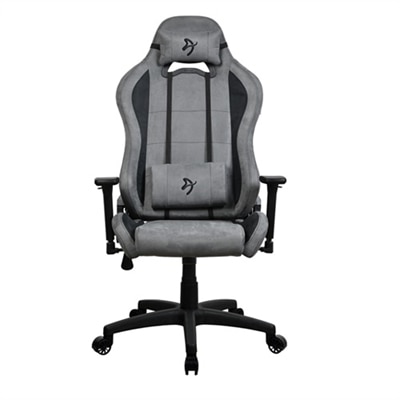
Office Task Chairs
Elevate your workspace with our curated selection of office task chairs, designed to blend seamlessly into any professional environment while prioritizing comfort and functionality. Whether you're setting up a home office or outfitting a corporate space, finding the perfect chair is essential for maintaining productivity and ensuring ergonomic support throughout the day. Explore our diverse range of options that cater to various styles and preferences, making it easy to find an office task chair that complements your unique setup. Discover how the right seating choice can transform your work experience and enhance your overall efficiency.
This product is not available
Check out the following recommendations.


Office Task Chairs
Office task chairs are adjustable, typically compact chairs designed for everyday desk work, from answering emails and reviewing documents to studying, sketching, and managing household paperwork. Common features include a 360-degree swivel, pneumatic seat-height adjustment, and a wheeled base that makes it easier to move between nearby work surfaces. Unlike a stationary guest chair, a task chair is built around the small movements that happen throughout a working day: turning toward a second monitor, drawing closer to a keyboard, or shifting position while reading. The category includes simple armless chairs, upholstered designs with cushioned backs, and ergonomic task chairs with more extensive adjustment controls. For a home office that shares space with a bedroom or living room, a smaller footprint can help keep the room from feeling crowded. In a dedicated workspace, a chair with adjustable arms, seat depth, and recline settings may be more useful than a compact design with fewer controls. The right balance depends on both the person sitting in it and the desk it needs to fit. Someone who sits down briefly to pay bills has different priorities from a remote employee working through spreadsheets for several hours. Students, creative professionals, and people setting up a first apartment can also appreciate a chair that adapts to different activities without dominating the room. Picture a small desk by the window, with a laptop open and a notebook pushed to one side: a chair that swivels easily and slides beneath the desktop helps that corner function as a workspace without taking over the home. Office task chairs can make thoughtful gifts for someone starting a new job or building a study space, although comfort is personal enough that checking measurements and return terms matters. Appearance helps a chair belong in the room, but usable adjustments, appropriate dimensions, and a comfortable seat are what make it practical day after day.
Fit is the most important purchase consideration because even a well-padded chair can feel awkward when its proportions do not suit the user. Start with the seat-height range rather than the chair’s overall height. A useful seated position generally allows feet to rest flat on the floor or on a footrest, with the shoulders relaxed and the keyboard within easy reach. Pneumatic height adjustment uses a lever-operated lift to raise or lower the seat, making it convenient to adjust the chair when different people share a desk. Seat depth deserves equal attention: sitting back against the backrest should leave a little space between the front edge of the seat and the backs of the knees. An adjustable seat-depth mechanism can help accommodate different leg lengths, while a gently rounded front edge may reduce pressure behind the thighs. Seat width and the distance between armrests also influence comfort, particularly when comparing chairs for smaller or larger users. Lumbar support is intended to support the natural curve of the lower back; adjustable lumbar height or depth gives more flexibility than a fixed contour. Armrests can provide a place to rest the forearms between tasks, but they should not force the shoulders upward or prevent the chair from moving close to the desk. Height-adjustable arms offer flexibility, width-adjustable arms can help refine fit, and flip-up arms may simplify storage beneath a desktop. Check the actual clearance under the desk, including drawers and support rails. Tilt tension controls the resistance felt when leaning back, while a tilt lock holds the chair in one or more supported positions, depending on the mechanism. These features are worth comparing for longer periods of desk work, but no adjustment replaces regular movement. A comfortable setup leaves room to change position, stand, and take short breaks rather than trying to hold one supposedly perfect posture all day.
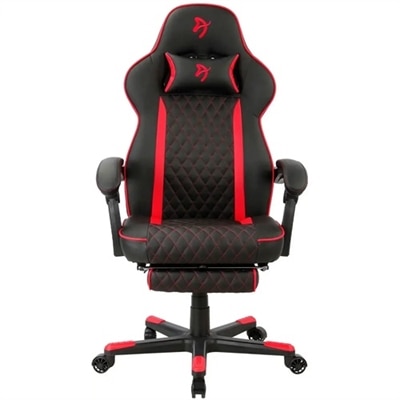
Materials, mobility, and construction shape how an office task chair feels after the first few minutes. Mesh backs allow air to circulate and may suit warmer rooms or people who prefer less cushioning against their back. Padded fabric seats offer a softer surface, with comfort influenced by the cushioning, upholstery texture, and underlying support rather than thickness alone. Upholstered backs can feel more enveloping, while mesh seats have a different, suspended feel that some users prefer and others find too firm around the edges. When comparing materials, consider everyday realities such as crumbs from a quick lunch, pet hair, and the amount of sunlight reaching the desk, then check the manufacturer’s cleaning and care recommendations. Mobility matters just as much in a busy workspace. Casters should be compatible with the floor surface; wheels intended for carpet may not be appropriate for finished wood or other hard flooring. A suitable chair mat can help protect the surface and improve rolling, provided it is designed for that floor type. Measure the base as well as the seat, since a broad wheeled base can occupy more room than the chair’s upper profile suggests. Listed weight capacity, intended use, assembly requirements, replacement-part availability, and warranty coverage provide useful points of comparison beyond appearance. If a product lists compliance with a recognized furniture testing standard, look for the specific claim rather than treating it as a promise of personal comfort. Price often reflects differences in adjustment range, mechanisms, materials, and coverage, so prioritize features that match the way the chair will actually be used. A shared workstation benefits from accessible controls; an occasional-use desk may need only straightforward height adjustment and a supportive seat. Color is a finishing touch that can connect the workspace to the rest of the room. Neutral upholstery keeps the setting understated, while Black And Red Office Chairs offer a more pronounced contrast. Ultimately, a well-chosen task chair fits the person, clears the desk, rolls appropriately on the floor, and makes ordinary desk work feel less cumbersome.
FAQs:
When choosing an office task chair for extended use, look for features such as adjustable seat height, lumbar support, tilt or recline functionality, and breathable materials. Ergonomic designs that promote proper posture and offer customizable settings can help reduce fatigue and enhance productivity throughout the day.
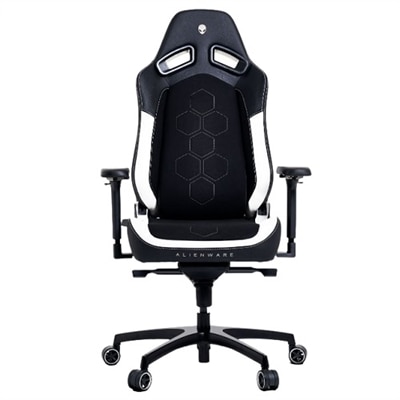
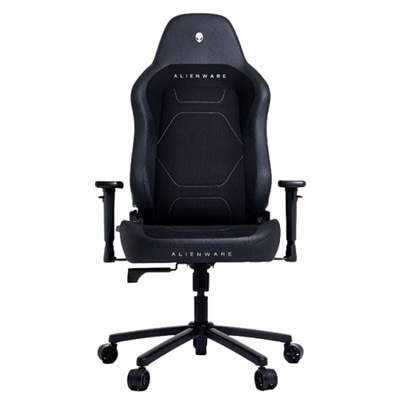
Yes, dell office chairs are designed to suit a variety of settings, from home offices to corporate workspaces. Their versatile styles and ergonomic features make them a practical choice for anyone seeking comfort and support, whether you're working remotely or in a traditional office.
To keep your computer chair in top shape, regularly wipe down surfaces with a soft cloth and mild cleaner, tighten any loose screws or bolts, and check the wheels for debris. For fabric or mesh chairs, vacuuming can help remove dust and keep the material looking fresh.
Absolutely. A high-quality office task chair makes a thoughtful and practical gift for students, remote workers, or anyone who spends significant time at a desk. It shows you value their comfort and well-being, especially during long study sessions or workdays.
Chairs with adjustable armrests provide personalized comfort by allowing you to set the height and angle to best support your arms and shoulders. This can help reduce strain during typing or writing tasks and contribute to better overall ergonomics in your workspace.