$149.95
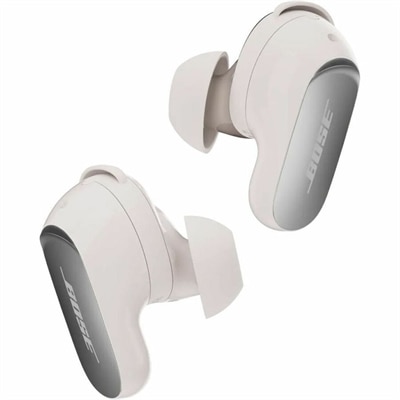
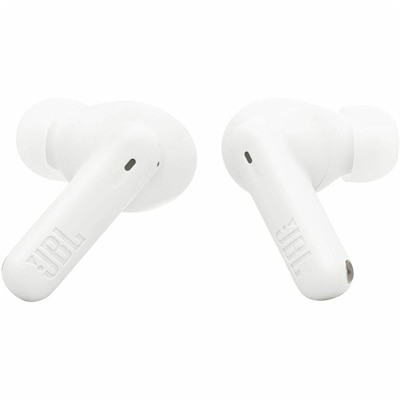
A white open-ear design with Air Conduction, dynamic bass, IP54 resistance, clear calls, and 32-hour playtime.
Open ear earbuds for running offer a comfortable and secure way to enjoy your favorite playlists while staying aware of your surroundings. Designed with active lifestyles in mind, these innovative earbuds are perfect for runners who value both performance and safety. Whether you’re hitting the pavement or exploring new trails, open ear earbuds for running provide an immersive audio experience without blocking out the world around you. Discover the perfect balance between music and mindfulness for every run.
A white open-ear design with Air Conduction, dynamic bass, IP54 resistance, clear calls, and 32-hour playtime.
Open-ear earbuds for running are wireless audio accessories designed to play music, podcasts, or spoken workout cues without sealing the ear canal. That open fit leaves a path for surrounding sound, making the category appealing to runners who want to hear more of the world around them while listening. On a neighborhood loop, that might mean footsteps approaching from behind, a companion calling out a turn, or the sound of a bicycle bell along a shared path. Open-ear listening does not guarantee awareness or safety, and loud audio can still mask important sounds; moderate volume and attention to the surroundings remain essential. Within this category, different designs deliver sound in different ways. Air-conduction earbuds position small speakers near the ear opening, while bone-conduction designs transmit vibrations through contact points near the ears rather than relying on a speaker aimed into the ear canal. Neither approach needs the tight seal associated with conventional in-ear tips, although comfort and sound preferences vary from person to person. Earhook styles curve around each ear for support, clip-style designs rest around part of the outer ear, and connected designs use a band that extends behind the head. For runners who dislike the plugged-up sensation of sealed earbuds, an open design can feel less enclosed during a warm afternoon jog or a steady treadmill session. The listening experience also differs: bass may feel less pronounced without a seal, and traffic, wind, or gym noise can compete with quieter passages. Some sound may be audible to nearby people, particularly at higher volumes. These characteristics make open-ear running earbuds especially relevant to listeners who value an unobstructed ear canal and a connection to their surroundings over strong noise isolation. They can suit easy recovery runs, run-walk intervals, warmups, and everyday movement, with the most suitable design depending on ear shape, preferred listening material, and the conditions where exercise usually happens.
Fit becomes especially noticeable once a run moves beyond the first few minutes. A pair that feels light while standing still may shift during a downhill stretch, rub behind the ear as perspiration builds, or compete for space with sunglasses. Stable open-ear earbuds distribute their weight comfortably and keep the sound outlet or contact point in position without excessive clamping. Soft silicone contact surfaces, rounded edges, and adjustable hooks can help accommodate different ear shapes, while lightweight housings reduce the amount of weight supported by the outer ear. Material names alone do not establish comfort, however; the shape, finish, flexibility, and placement of each contact surface matter just as much. Runners who wear prescription glasses often benefit from considering how the earhooks sit alongside the temples, especially where both pieces rest behind the ear. A cap, headband, or cold-weather ear covering can also change the fit, and a rear band may brush against a high collar or interfere with some hairstyles. For a broader look at everyday wearing comfort, Comfortable Earbuds offers a related category to explore. Running-specific comfort also includes how easily the controls work when hands are damp or the pace picks up. Physical buttons can provide a distinct press, while touch controls depend on the sensitivity and layout of the contact area; either can feel awkward if an adjustment dislodges the earpiece. Accessible volume adjustment, track skipping, and pause controls help keep routine interactions brief. A secure fit should remain comfortable through normal head turns and changes in stride rather than relying on constant repositioning. For someone training several days a week, small details such as smooth seams and a balanced feel can matter more over time than an extensive feature list. These earbuds can also make a practical gift for an adult runner, walker, or fitness enthusiast, particularly when their preference for an open fit and their usual eyewear are already known.
Durability for running involves repeated exposure to perspiration, handling, and changing outdoor conditions, not simply surviving an occasional splash. A stated water-resistance rating provides useful information about tested protection, but its exact meaning matters: splash resistance is not the same as suitability for swimming, showering, or rinsing under a faucet. Protection can also differ between the earbuds and their charging case, so a case tucked into a damp waistband pocket may face conditions it was not designed to tolerate. Sweat exposure, drops, and ordinary wear can affect materials and seals over time. Routine care generally means wiping away moisture and residue with a soft cloth, following the manufacturer's cleaning instructions, and allowing the earbuds and charging contacts to dry before putting them away or charging them. Speaker openings, hinges, and contact surfaces need gentle handling rather than scraping or harsh cleaning agents. A protective case helps keep the earbuds from being crushed beneath a water bottle or tangled with keys in a gym bag. Battery performance is another practical consideration, particularly when listening extends from a morning run into a commute or an afternoon walk. The runtime of the earbuds on a single charge is different from the total listening time supported by additional charges in the case. Published battery estimates also depend on test conditions, and actual results can vary with volume, calls, settings, temperature, and battery age. Quick charging can be useful before a short outing, but the stated charging time and resulting playback time should be considered together. Wireless connection stability, compatibility with a phone or watch, and the ability to play downloaded audio from a compatible device can shape the experience when running without a phone. Microphones may be convenient for a brief call after exercise, although wind and nearby traffic can reduce voice clarity. Taken together, a comfortable open fit, suitable moisture protection, straightforward controls, and enough single-charge runtime for the intended outing define a useful pair of running earbuds. The strongest match is one that settles into the routine, from tying shoes at the door to cooling down after the final block.
Add the products you would like to compare, and quickly determine which is best for your needs.