$395.00
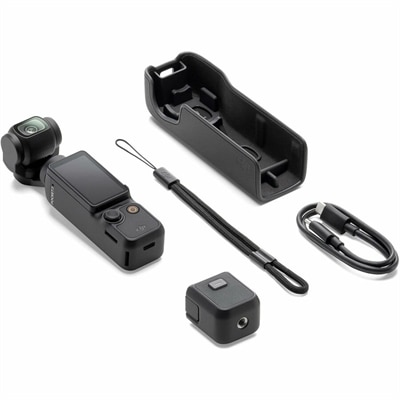
A stabilized action camera with a 1-inch sensor, 4K/120fps video, rotatable touchscreen, and 10-bit color.
Capture life's most memorable moments with ease and convenience using pocket cameras. Perfect for photography enthusiasts and casual snappers alike, these compact devices offer a blend of portability and quality that makes them ideal for any occasion. Whether you're traveling to exotic destinations or simply enjoying a day out with friends, pocket cameras are designed to fit seamlessly into your lifestyle, allowing you to document every adventure without the bulk of traditional cameras. Explore our selection of pocket cameras and discover how they can help you preserve memories with stunning clarity and simplicity.
A stabilized action camera with a 1-inch sensor, 4K/120fps video, rotatable touchscreen, and 10-bit color.
Pocket cameras are compact digital cameras designed for photography or video without the bulk of a larger camera system. Their appeal starts with portability: a camera that slips into a jacket pocket or small bag is easier to bring along for a neighborhood walk, a weekend trip, or an afternoon with friends. The category includes compact still cameras, small video cameras, and stabilized handheld designs, each with different strengths. A traditional compact camera often combines a built-in lens, a rear screen, and physical controls for quick adjustments, while a video-focused design may emphasize smooth movement, a forward-facing display, or straightforward recording controls. Pocket size does not describe a single level of image quality, and dimensions alone reveal little about how a camera performs. Sensor size, lens design, autofocus, and image processing all contribute to the finished photograph or clip. A larger sensor can help preserve detail and reduce visible noise in dim conditions, although lens aperture and exposure settings also matter. Optical zoom changes the lens’s field of view, bringing distant subjects closer without relying solely on cropping an image. That can be useful for a sculpture across a plaza or a performer viewed from the back of a room. A fixed-focal-length lens offers one angle of view and can suit everyday scenes, portraits in context, and street photography. Wide-angle coverage helps fit architecture or a group into the frame, while longer focal lengths allow tighter compositions from farther away. For shoppers whose plans extend from sightseeing to recording the journey, Travel Cameras for Photos and Video provides a related category to explore. The practical distinction is how comfortably a camera fits into the day: some prioritize a slim body and simple operation, while others accommodate a larger grip, more direct controls, or a lens with greater reach. A camera that stays close at hand can capture the brief expression or changing light that might otherwise pass unnoticed.
Everyday handling makes a meaningful difference with a pocket camera, particularly during longer outings. A smooth, slim body may slide easily into a pocket, while a textured grip can feel more secure when photographing one-handed. Actual pocket fit depends on the camera’s depth, protruding controls, lens housing, and any attached strap or protective case, not just its width and height. Metal exterior panels can provide a sturdy feel, while well-constructed polymer housings can keep weight manageable; neither material by itself establishes impact resistance or weather protection. Button spacing, screen visibility, and the placement of the shutter button affect comfort as much as the outer dimensions. A tilting screen can make it easier to photograph a pet at floor level or frame a scene over a railing, and a viewfinder, when included, offers another way to compose in bright sunlight. Responsive autofocus helps with fleeting moments, though tracking performance varies with lighting, subject movement, and camera design. Stabilization reduces the appearance of camera shake, especially at longer zoom settings or during handheld recording, but it does not freeze a moving subject in a still photograph. Mechanical gimbals, optical stabilization, and electronic stabilization work differently, and electronic methods may crop the frame. For video, resolution is only part of the picture. Frame rate influences how motion looks, microphone placement affects recorded sound, and battery life determines how long recording can continue away from a charger. Wind noise reduction or external microphone support, where provided, can matter when recording a spoken update on a breezy overlook. A screen that faces forward is useful for checking framing during self-recording, while dependable focus keeps attention on the person speaking rather than the background. Battery ratings may differ from real-world use, especially with frequent screen use, wireless transfers, or high-resolution video. Charging connections, removable-battery support, memory card requirements, and recording limits are therefore practical details for a camera intended to document more than a few short moments.
Pocket cameras suit a wide range of routines, from casual family photography to creative projects that benefit from a dedicated device. A beginner may appreciate automatic exposure and clear menus, while an experienced photographer may prefer manual controls and RAW capture for greater editing flexibility. Someone recording cooking demonstrations at a kitchen counter may value close focusing and a stable mounting option; a traveler photographing distant buildings may care more about optical reach. For a student documenting a visual arts project or a friend who enjoys photographing daily life, a compact camera can be a thoughtful birthday or graduation gift when its controls and capabilities match the recipient’s interests. Simple handling often matters more than a long feature list, especially when the goal is to take pictures rather than spend time adjusting settings. Long-term enjoyment also depends on ordinary care. A protective pouch helps separate the camera from keys, loose coins, and grit, while a wrist strap adds security around crowds or uneven walking surfaces. Retracting lenses and exposed moving parts need room to operate freely, so keeping them clear of fabric and debris helps prevent unnecessary strain. Dust on a lens is best removed with an appropriate blower before gentle cleaning with lens-safe materials; household cleaners and rough fabrics can damage optical coatings. Moisture resistance should never be assumed from a rugged appearance, and any stated protection applies only under the manufacturer’s specified conditions. Beach sand, splashing water, and condensation from sudden temperature changes call for particular care. Allowing a cold camera to warm gradually inside a closed bag before exposing it to warm, humid air can help reduce condensation. Regularly transferring photographs and videos to a computer, maintaining a separate backup, and checking the battery before an outing make the camera easier to rely on. A compatible memory card with sufficient capacity and an appropriate speed rating supports the intended recording mode. With a comfortable fit, suitable features, and consistent care, a pocket camera becomes a convenient companion for preserving both planned occasions and the small, unexpected scenes between them.
Add the products you would like to compare, and quickly determine which is best for your needs.