Professional Racing Simulators
Professional racing simulators deliver an immersive experience for enthusiasts and aspiring drivers seeking to elevate their virtual motorsport adventures. Designed for precision and realism, these simulators provide a dynamic platform to practice, compete, and enjoy the thrill of racing from the comfort of your own space. Explore a wide selection of professional racing simulators that cater to various skill levels and preferences, ensuring every lap feels authentic and engaging.
This product is not available
Check out the following recommendations.




Professional Racing Simulators
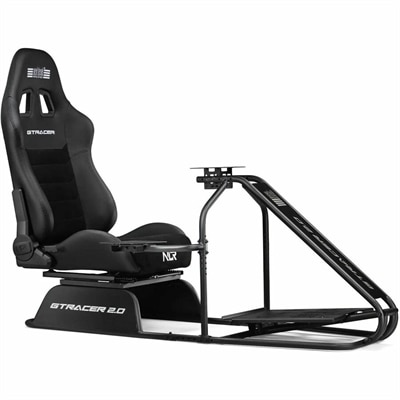
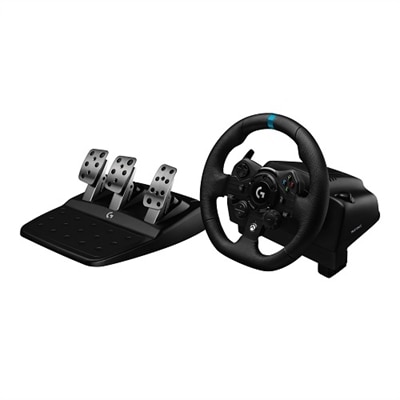
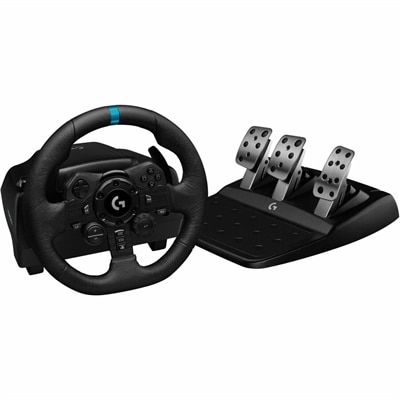
Professional racing simulators are immersive driving systems designed to reproduce the demands of a real track through accurate vehicle physics, responsive controls, detailed visual environments and, in some configurations, physical motion. They can support driver practice, esports competition, engineering analysis, coaching and focused recreation at home. A serious setup usually begins with a rigid cockpit or racing seat that keeps the driver’s body stable while steering, braking and accelerating. From there, the experience depends on the quality of the wheel base, steering wheel, pedals, display system and computer running the simulation software. Direct-drive steering systems can deliver strong, immediate resistance and communicate subtle changes in grip, curbing and road texture through the wheel. Load-cell pedals measure pressure rather than simply pedal travel, helping drivers develop a more consistent braking technique. Motion platforms and seat-based feedback systems can add physical cues for acceleration, cornering, braking and weight transfer, while a stationary rig can still provide highly detailed feedback when paired with a sturdy frame and responsive controls. The goal is not merely to make a game feel exciting; it is to create a repeatable environment where a driver can learn braking points, practice lines, refine throttle control and build confidence before entering a real vehicle or competitive session.
Choosing the right configuration starts with the intended use, available space and level of realism desired. A driver preparing for track days may place the greatest value on a strong wheel, precise pedals and a wide field of view, while an esports competitor may prioritize low-latency performance, a rigid cockpit and consistent input response. A home enthusiast might prefer a compact stationary setup that can be moved when the room is needed for another purpose. Full-motion systems require additional floor space, ventilation and careful attention to structural stability, and they can produce noticeable sound and vibration. A fixed rig is generally easier to position and maintain, making it a practical choice for bedrooms, offices, bonus rooms and shared family spaces. The display arrangement also shapes the experience. A single large monitor offers a clean, straightforward installation; multiple monitors can expand peripheral vision and make corner entry feel more natural; and a VR headset can place the driver directly inside the cockpit, although it may require careful attention to comfort, graphics performance and cable management. For the computer, look for a modern desktop or high-performance laptop with the graphics capability, processor performance, memory and connectivity required by the chosen simulation software and display resolution. A monitor with a fast refresh rate and quick response can make steering corrections feel more immediate, while a dependable wired network connection can be valuable for online competition. Small details matter during long sessions, too: adjustable seating, a comfortable wheel position, clear airflow, accessible controls and enough room to enter and exit without disturbing the rest of the setup.
The best professional racing simulator setup is one that matches the driver rather than simply filling a room with equipment. Measure the available area before choosing a cockpit, and account for the distance needed between the driver, display and surrounding furniture. Confirm that the wheel mount, pedal plate and seat offer enough adjustment for the intended driver, especially when a family or group will share the system. Check connection types and mounting compatibility across the wheel, pedals, monitor, computer and accessories, and consider whether the platform can be expanded later with additional displays, tactile feedback or motion hardware. Pedals deserve particular attention because braking consistency often separates a convincing simulation from a frustrating one; explore Sim Racing Pedals when comparing pressure-based and travel-based options. A simulator can also be a memorable gift for a racing fan, a student exploring automotive technology or a driver who enjoys learning every corner of a favorite circuit. It may become the place where a child first discovers an interest in engineering, where friends gather for timed sessions, or where an experienced driver repeats the same turn until the steering, braking and throttle inputs become instinctive. With a capable desktop or laptop, a clear monitor setup, supportive seating and controls that respond naturally, the experience can move beyond casual play and become a disciplined, highly engaging way to practice, compete and enjoy the craft of driving.
FAQs:
When choosing a professional racing simulator setup, focus on components that enhance realism and comfort. Look for a high-quality force feedback racing wheel, such as a logitech steering wheel, responsive pedals with load cell technology, a sturdy wheel stand or cockpit, and a monitor with a high refresh rate. Adjustable seating, shifters, and customizable controls can further improve your driving experience.
Professional racing simulators are ideal for motorsport enthusiasts, aspiring and experienced drivers, esports competitors, and anyone passionate about racing games. They are also popular among content creators, families who enjoy competitive gaming, and individuals seeking a realistic training tool to improve their on-track skills.
A multi-screen setup provides a wider field of view, allowing you to see more of the track and your surroundings, which closely replicates the vision available in a real race car. This increased immersion helps with spatial awareness, making it easier to judge distances, apexes, and overtaking opportunities during intense races.
Yes, many racing simulator setups are modular, allowing you to start with essential components and add upgrades as your interest and experience grow. You can enhance your setup with advanced pedals, motion platforms, button boxes, upgraded seats, and more. Explore a wide range of options in our Sim Racing Accessories collection to customize your rig.
Professional racing simulators are compatible with a variety of popular racing games and simulation software, including titles known for their realistic physics and track data. Many setups support software used by both casual gamers and professional drivers, ensuring an authentic experience whether you're training, competing, or enjoying a virtual race weekend.