PTZ Cameras

Shop PTZ cameras with pan, tilt, and zoom control for flexible video framing. Compare resolution, field of view, connection options, and compatibility with your video conferencing or streaming setup to find a camera suited to your space.

Filters

$1399.00

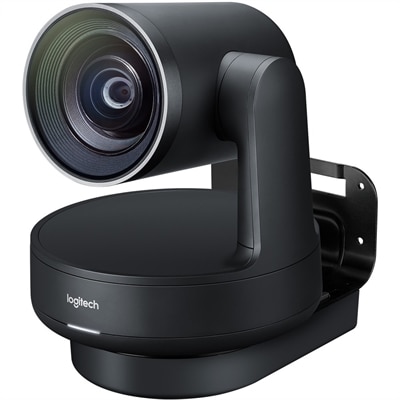
A matte-black Ultra HD PTZ camera with 4K imaging, 15X zoom, 90° coverage, and automatic framing.
$1399
$599.00

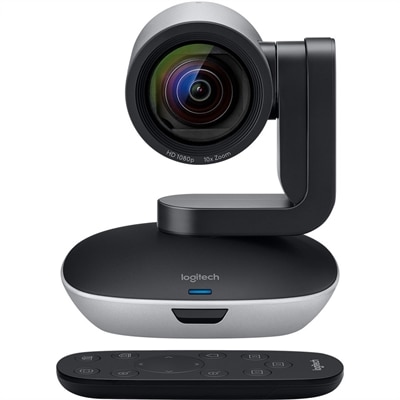
A conference camera delivering 1080p video, 10x HD zoom, 260-degree pan, 130-degree tilt, and precise autofocus.

$599
$329.99

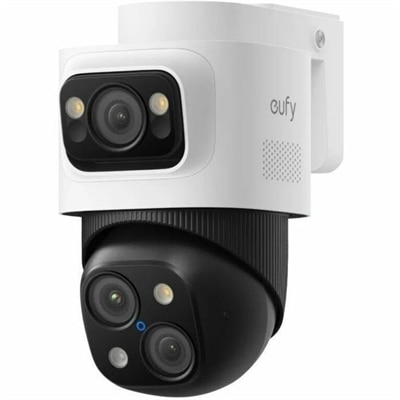
An outdoor 4K PTZ security camera with PoE, 24/7 recording, AI noise reduction, and IP65 protection.

$329.99
$219.99

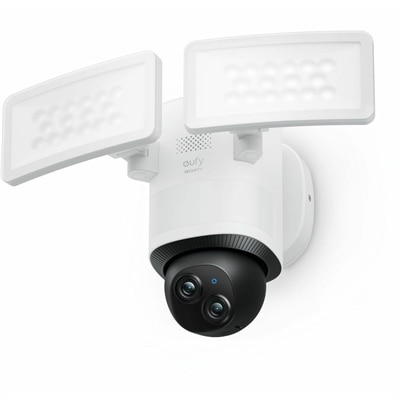
A floodlight security camera with dual-lens 3K coverage, 360-degree monitoring, AI detection, and 24/7 recording.

$219.99

PTZ Cameras

PTZ cameras are motorized cameras that pan from side to side, tilt up and down, and zoom to change the view of a scene. These movements let a compatible camera follow activity across a room, frame a speaker at a lectern, or bring a distant entrance into closer view without someone physically repositioning the camera. Used for video conferencing, live streaming, production, and security monitoring, pan-tilt-zoom cameras offer flexibility when the action does not stay in one place. Their usefulness depends on more than movement alone: lens coverage, image quality, control options, and placement all shape the result. Optical zoom changes magnification through the lens, while digital zoom enlarges part of the captured image and can reveal less detail as the crop becomes tighter. For a classroom presentation, optical zoom can help shift attention from the instructor to a demonstration table; in a community meeting room, a wider view can include the panel before moving closer to an individual speaker. Many models support preset positions, allowing compatible controls to return the camera to saved views rather than requiring every adjustment to be made manually. Smooth movement and adjustable transition speeds are especially useful when those changes will appear in a live video feed. Some models also offer automatic tracking, although supported subjects, tracking behavior, and operating conditions vary. A camera designed to follow a presenter may behave differently from one intended to respond to movement in a security setting. Pan and tilt coverage also varies, so the PTZ designation does not automatically mean unrestricted rotation or a complete view in every direction. Even a camera with a broad movement range generally shows only its current view, not every surrounding area at once. That distinction matters in spaces where a close-up of one activity could leave another area outside the frame. PTZ cameras are particularly useful where changing viewpoints serve a clear purpose, whether that means sharing a detailed demonstration with remote participants or inspecting activity across a larger space.

The physical setting has a strong influence on which PTZ camera characteristics matter most. In an indoor conference room, a compact housing, quiet motor operation, and a discreet mounting position can help the equipment blend into the space without distracting people at the table. In a larger venue, stable mounting and sufficient optical reach may be more important than a small footprint. Housings may use plastic, metal, or a combination of materials; durability depends on construction, mounting quality, and the conditions the camera is designed to withstand rather than the material alone. Outdoor use calls for an enclosure specifically rated for the expected exposure, with attention to dust and water resistance, operating temperature, and the protection of cable connections. A sturdy-looking indoor camera is not necessarily suitable for a covered porch or an unheated outbuilding. Sun glare, window reflections, backlighting, and changing illumination can also affect the image. A camera facing a bright doorway may need strong backlight handling to keep a person inside the room visible, while evening monitoring may depend on low-light performance or compatible illumination. Higher resolution can provide additional detail, but it does not replace appropriate lighting, accurate focus, or enough lens reach for the distance involved. Mounting height affects perspective as well: a high corner can reveal more floor space while producing a steeper angle on faces. The starting field of view matters whenever the camera needs to capture a whole room before zooming toward a smaller area. For spaces where continuous coverage of a broad scene matters more than changing the viewing direction, Wide Angle Security Cameras provide a related category to consider. A fixed wide view and a movable close-up serve different purposes, and some settings benefit from both. In a reception area, for example, the broad view can preserve context while a PTZ camera provides a closer look at a particular doorway or interaction.

Connections, controls, and everyday handling determine how comfortably a PTZ camera fits into an existing setup. For computer-based meetings, compatible USB video connections can simplify use with a laptop or desktop, while production environments may require supported HDMI or other video outputs. The presence of a connector alone does not establish compatibility: supported resolution, frame rate, control functions, operating system requirements, and application support can all affect operation. Power requirements deserve the same attention, particularly when the camera will be mounted beyond easy reach of an outlet. Cable routing should leave the moving mechanism unobstructed and keep cords away from walkways, chair wheels, and frequently opened doors. Secure mounting is important because vibration from a lightweight shelf or an unstable bracket becomes more noticeable at stronger zoom settings. Control options may include a handheld remote, desktop software, or a compatible controller, with different levels of precision and convenience. A remote can suit occasional framing changes during a meeting, while a controller may make repeated movements easier during a performance or presentation. Camera placement also shapes the human experience: a lens near screen height can make remote conversation feel more natural than a steep view from the ceiling. Built-in audio capabilities vary, and a camera positioned well for video may still need a separate microphone arrangement for clear speech. Routine care helps protect image quality and mechanical operation. Dust on an exposed lens or protective cover can soften detail or create visible glare, so cleaning should follow the manufacturer’s directions and use suitable materials rather than abrasive cloths or harsh household cleaners. Motorized parts should not be forced by hand unless the manufacturer expressly permits it. For shared spaces, clear recording practices and appropriate access permissions support responsible use. Whether supporting a small business meeting, a lecture, a live performance, or property monitoring, a well-matched PTZ camera brings useful movement and adaptable framing to the task without replacing the need for thoughtful placement and dependable supporting equipment.

FAQs:

Add the products you would like to compare, and quickly determine which is best for your needs.

Add the products you would like to compare, and quickly determine which is best for your needs.