Racing Simulator Setups
Racing simulator setups bring the excitement of the track right into your home or office, providing an immersive experience for motorsport enthusiasts and casual gamers alike. Whether you're building a dedicated gaming space or enhancing your existing workstation, these setups offer a dynamic way to enjoy realistic racing action. Explore a variety of options designed to complement your system and elevate your gameplay with comfort and style. Racing simulator setups help transform everyday gaming into a thrilling adventure, making every lap feel like the real thing.
This product is not available
Check out the following recommendations.


Racing Simulator Setups
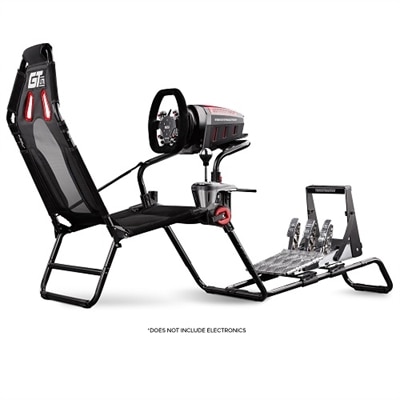
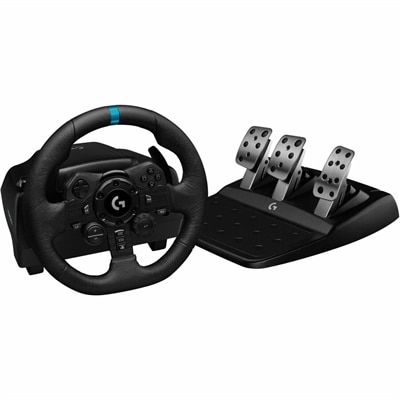
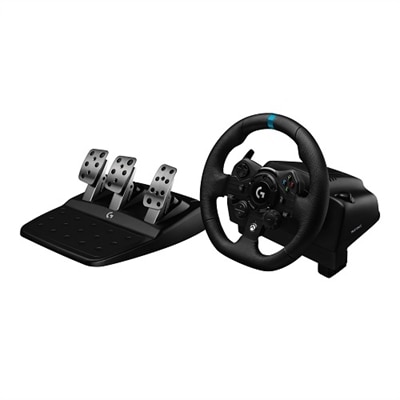
Racing simulator setups bring the feel of a driving position, the response of steering controls, and the view from a virtual cockpit into one connected space. They can range from a gaming desktop with a desk-mounted wheel and pedals to a dedicated cockpit with an adjustable seat, separate controls, and a wide display. The right combination depends on the racing someone enjoys, the room the equipment will occupy, and the computer or gaming platform running the simulation. A casual driver taking a few evening laps may appreciate equipment that moves aside easily, while an endurance racing enthusiast may place more emphasis on seating comfort, steady performance, and controls that remain firmly positioned through a long session. Steering feedback is central to that experience: a force-feedback wheel communicates simulated resistance and changes in grip, helping a driver sense when the front tires begin to slide or a wheel touches a curb. Gear-driven and belt-driven systems transmit those effects through mechanical components, while direct-drive systems connect the steering wheel directly to the motor shaft. Direct drive can deliver detailed, responsive feedback, although the result also depends on the software, settings, and mounting stability. Maximum torque alone does not determine how convincing or comfortable a setup feels. Wheel shape matters, too. Round rims accommodate the larger steering movements common in rally and road driving, while open-style rims suit racing disciplines that generally involve smaller steering inputs. Pedals add another layer of control, especially during the transition from hard braking to a careful corner entry. A load-cell brake measures applied force rather than simply pedal travel, which can help drivers develop repeatable braking inputs when the pedal assembly and seat stay securely in place. Accelerator resistance, pedal spacing, and the option for a clutch further shape how naturally the controls match a driver’s preferred cars. Together, these elements make a racing simulator setup more than a collection of peripherals: they create a consistent environment for relaxed driving, focused practice, and online competition.
The physical fit of a sim racing setup affects both immersion and everyday usability. A wheel positioned too far away can leave shoulders stretched forward, while pedals that sit too close can make precise braking uncomfortable. Adjustable wheel height, pedal angle, seat position, and backrest angle help accommodate different body proportions and driving preferences. A more upright position resembles many road and touring cars; a reclined position changes the relationship between the seat, wheel, and pedals and requires suitable support throughout the frame. For shared spaces, foldable stands and compact mounts can make it easier to return a room to its everyday layout, but their dimensions, weight limits, and supported mounting patterns still matter. A folding mechanism also needs enough clearance to operate without trapping cables or pressing against nearby furniture. Dedicated cockpits typically use steel tubing or aluminum profiles, with rigidity determined by the overall structure, joints, brackets, and fasteners rather than the material name alone. Under strong steering feedback or firm braking, movement in a wheel deck or pedal plate can distract from the driving experience. Higher-torque wheelbases need a mounting structure rated for their forces, and powerful feedback calls for sensible settings and attention to the manufacturer’s safety information. Seating materials introduce different comfort and care considerations. Fabric upholstery can feel breathable during longer sessions, while coated surfaces may be easier to wipe clean, depending on their finish and care requirements. Grip coverings also vary: textured rubber, leather, and suede-like materials each feel different in the hands and may require different cleaning methods. Gentle cleaning according to the manufacturer’s directions, dry hands, and periodic checks of accessible mounting hardware help keep frequently used equipment in good condition. Cable routing deserves the same attention as seating. Leaving appropriate slack around adjustable components and keeping cords away from pedal mechanisms helps protect connections. A stable chair or secured seat is particularly important with firm brake pedals, since a rolling desk chair can move backward just as a driver presses hardest.
Gaming computers and monitors complete the connection between physical inputs and the track on screen. A racing simulation must process vehicle behavior while rendering a changing scene, so processor performance, graphics capability, memory, and the demands of the chosen software all influence the experience. A gaming desktop can offer room for future component upgrades, depending on its design, while a capable gaming laptop may suit a space that also serves other purposes. Sustained performance and unobstructed cooling matter during extended sessions on either type of computer. Display resolution, graphics settings, and the number of screens affect workload; adding more pixels generally requires more graphics processing power. Smooth frame delivery and a suitable refresh rate help make motion easier to follow, especially when judging braking markers or watching another car alongside. A single monitor keeps the arrangement relatively compact, an ultrawide screen can broaden the view, and a properly configured triple-monitor layout can extend visible scenery farther to either side. None automatically creates a true-to-scale cockpit view. Screen size, viewing distance, display angles, and the simulation’s field-of-view settings determine how the scene appears from the seat. Monitor placement should also preserve a comfortable sightline rather than forcing the driver to look sharply upward or turn awkwardly. Beyond the main controls and display, Sim Racing Accessories can support the details that make a setup easier to use, from additional driving inputs to mounting and organization options. Compatibility remains essential across the whole arrangement: a matching connector does not guarantee that a wheelbase, pedal set, control attachment, or gaming platform will work together. Supported hardware combinations, connection requirements, mounting patterns, and software support are all relevant to a dependable setup. For a motorsport fan receiving equipment as a birthday or graduation gift, those existing connections are just as important as racing interests and available floor space. A thoughtful setup leaves room for the driver to settle in, reach the controls comfortably, and concentrate on the next corner, whether the evening calls for a quiet practice session or a closely contested race.
FAQs:
A typical racing simulator setup includes a racing wheel, pedals, a sturdy frame or cockpit, and often a dedicated seat. Some setups may also feature gear shifters, handbrakes, and multiple monitors for an immersive experience.
Many racing simulator setups are compatible with both PCs and popular gaming consoles like PlayStation and Xbox. However, compatibility can depend on the specific wheel and pedal set you choose, so it's important to check the manufacturer's specifications.
Racing simulator setups are designed for use with racing games and driving simulators. Popular titles include sim racing games like iRacing, Assetto Corsa, Gran Turismo, Forza Motorsport, and F1 series games.
Force feedback wheels provide realistic resistance and vibrations that mimic the feel of driving a real car. This technology allows users to feel road textures, tire grip loss, and impacts, greatly enhancing immersion and control.
Yes, many racing simulator setups offer adjustable features such as seat position, pedal distance, wheel height, and angle. These adjustments help users find their optimal driving position for comfort and performance.