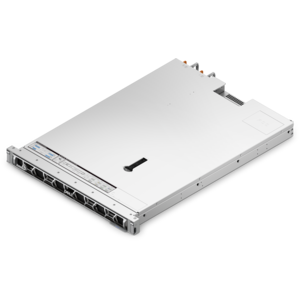
$4157.00
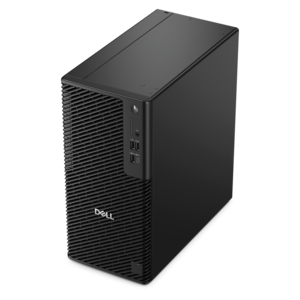
A dense, powerful rack-ready desktop engineered to optimize demanding computing environments.
Optimize your data center space with our comprehensive selection of rack units, designed to streamline your server and networking equipment organization. Whether you're managing a small office setup or a large enterprise infrastructure, these versatile solutions offer the flexibility and efficiency you need to maximize performance and manageability. Our range of rack units provides the ideal foundation for supporting your technology investments, ensuring easy access, enhanced airflow, and robust security for all your critical components. Discover how the right rack unit can transform your IT environment into a powerhouse of productivity and innovation.
A dense, powerful rack-ready desktop engineered to optimize demanding computing environments.
A scalable, secure rack workstation engineered to power demanding professional applications.
Rack units, commonly abbreviated as U or RU, provide a consistent way to compare the vertical height of equipment designed for installation in a rack. One rack unit equals exactly 1.75 inches, or 44.45 millimeters, of vertical space. A 1U item occupies one unit of height, while 2U, 3U and 4U items require two, three or four times that space. This measurement helps shoppers plan a neat, compatible setup before choosing equipment, especially when several components will share the same enclosure. Rack-mount designs generally use a standard 19-inch width between the mounting rails, allowing products built to the same rack standard to sit within a common frame. The vertical rail pattern also follows a recognized arrangement: one rack unit corresponds to three consecutive mounting holes across a 1.75-inch section. Because real equipment is manufactured with a small amount of clearance, its physical height is usually slightly less than the exact rack-unit measurement. That difference gives each item room to slide into place without rubbing against the component above or below it. When comparing products, check the listed rack height as well as the overall depth, mounting method and required clearance around vents, connectors and cables. A compact 1U design can make efficient use of limited vertical space, while a taller 2U or 4U design may provide more room for internal components, expansion, cooling or easier access. The best choice depends on the available rack, the number of items being installed and how much room you want to reserve for future additions.
Rack units can be useful in home studios, classrooms, small offices, creative workspaces and other organized technology environments where a clean, secure installation matters. Audio creators may use rack-mounted components to keep recording accessories together, while photographers, video editors and makers may appreciate a structured way to arrange specialized computing and production hardware. An instructor setting up a media lab can use rack measurements to plan equipment across several shelves, and a small business owner may use the same measurements to keep shared technology off a desk and within easy reach. At home, a rack can turn a tangle of loose components into a more deliberate workspace, with cables routed along the sides and frequently used connections positioned where they are easy to reach. During the cooler months, when indoor projects and studio sessions often become more appealing, a carefully planned rack can make a room feel calmer by giving every component a defined place. I have found that the most satisfying setups begin with a simple pencil sketch: note the rack’s usable height, write down each item’s U measurement, and leave a few open spaces between groups that may grow later. For example, a collection measuring 10U in total may fit in a 12U enclosure, but using the entire available height leaves little flexibility for an additional component, a shelf or a cable-management accessory. If portability matters, look for a compact format that is easier to move between rooms or venues. If the setup will remain in one location, a larger frame may offer more room to work and simplify upgrades. Families and students can also appreciate rack-compatible accessories as practical gifts for a home recording corner, gaming room or creative workstation, particularly when the recipient enjoys building an orderly setup piece by piece. Rather than choosing based on appearance alone, consider how the recipient works, how often connections will change and whether the rack will need to accommodate equipment of different depths.
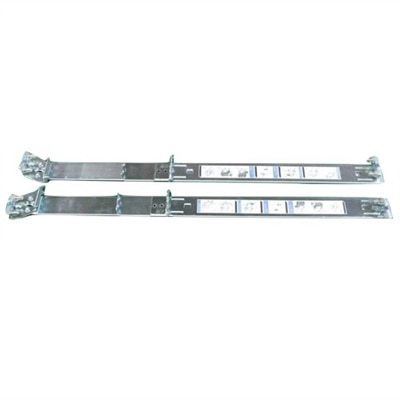
Before ordering, measure the usable interior space rather than relying only on the rack’s exterior dimensions. A rack described as 12U, 18U, 24U or 42U refers to its vertical capacity, not to the width or depth of the enclosure. A full-height 42U rack provides substantial room for a larger installation, while a 12U or 18U option may be easier to place beneath a desk, against a wall or in a compact studio. Other common sizes can suit growing workspaces that need more capacity without taking up the footprint of a full-height frame. Add the height of every item in U, then reserve space for airflow, cable bends, shelves and equipment that may be added later. Depth deserves equal attention: a component may fit the height and width standards yet extend too far for the enclosure or leave insufficient room for rear connections. Also review whether mounting hardware is included, whether the rails can be adjusted and whether the design supports the hole pattern used by your equipment. Open-frame options can make access and ventilation easier, while enclosed cabinets may provide a more finished appearance and help keep dust away from delicate components. Keep heavier items low for stability, place frequently adjusted devices where they are comfortable to reach, and avoid forcing cables into sharp bends behind the rack. If you are comparing related workspace solutions, Studio Racks can provide another way to think about organized, purpose-built placement. With the rack-unit measurement, rail width, depth, clearance and future capacity considered together, it becomes much easier to select products that fit securely and create a workspace that remains practical as your projects evolve.
Add the products you would like to compare, and quickly determine which is best for your needs.