SD WAN Devices
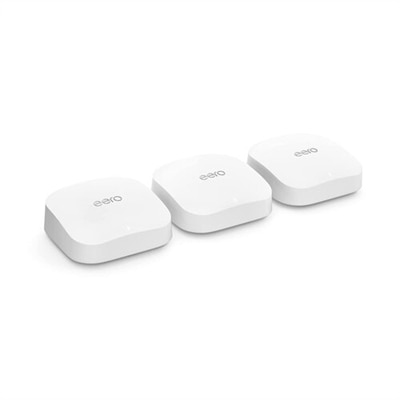
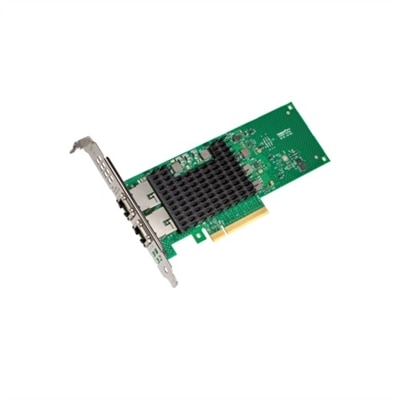
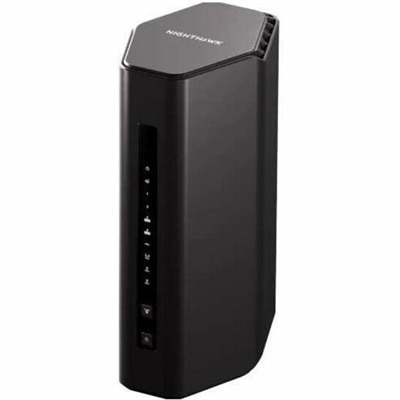
SD WAN devices are essential for businesses looking to optimize their network performance and streamline connectivity across multiple locations. These advanced networking solutions make it easier to manage data traffic, enhance security, and improve overall efficiency. Whether you're upgrading your current infrastructure or expanding your network, exploring a range of SD WAN devices can help support your organization’s growing digital needs. Discover options designed to deliver reliable and scalable networking for modern enterprises.
This product is not available
Check out the following recommendations.
Related Products
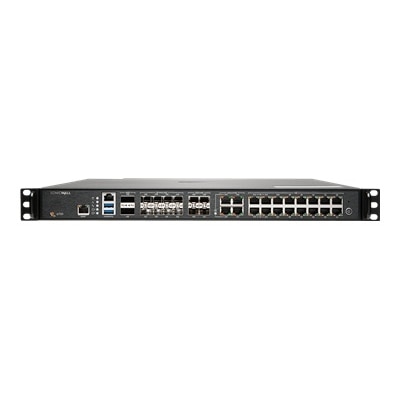
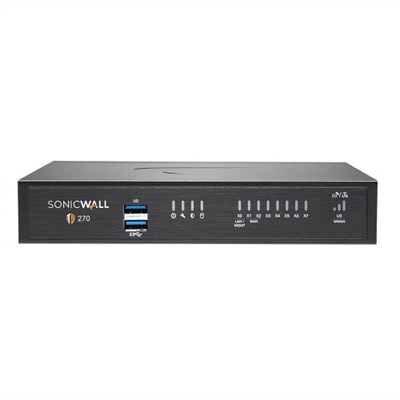
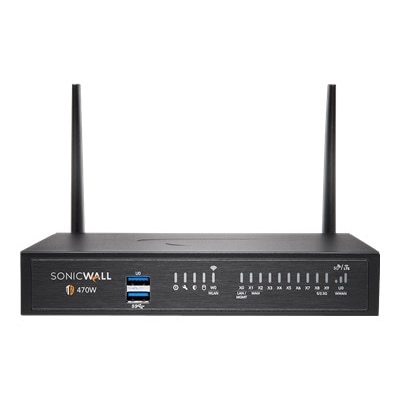
SD WAN Devices
SD-WAN devices are designed to manage connections between branch locations, headquarters, remote offices, cloud environments, and the people who rely on business applications every day. Positioned at the edge of a local network, an SD-WAN device connects local computers, phones, printers, wireless access points, and other approved equipment to one or more wide-area connections. Those connections may include broadband, dedicated circuits, wireless services, or other available transports. Instead of treating every connection as an isolated path, SD-WAN technology can evaluate link health and apply centrally defined policies to help direct traffic where it can perform best. It can also establish encrypted overlay tunnels between locations, allowing separate offices to communicate through a more consistent logical network. This makes SD-WAN devices useful for organizations with several branches, distributed teams, cloud-based applications, temporary workspaces, or locations where dependable connectivity is important. A physical appliance may be installed in a branch office or central facility, while a virtual appliance can run on compatible computing hardware, and a cloud instance can help optimize traffic closer to hosted applications. The products listed on this page are intended for practical deployment planning, whether an organization is replacing aging edge equipment, adding a new location, supporting a hybrid workforce, or creating a more adaptable foundation for everyday operations. For broader infrastructure planning, explore Network Infrastructure Devices.
Choosing an SD-WAN device starts with understanding the environment in which it will operate. A small office with a modest number of users may need a compact edge platform with straightforward management, while a regional location with voice, video, transaction systems, guest access, and cloud applications may require more throughput, additional interfaces, and stronger traffic-handling capacity. Consider the number and type of wide-area links available, including wired broadband, dedicated connectivity, and cellular backup. Redundant connections can help maintain access when construction, weather, provider maintenance, or an unexpected service interruption affects the primary link. Capacity matters as well: evaluate expected users, encrypted traffic, application growth, remote access, and the possibility of adding more locations over time rather than sizing only for today’s activity. Management is another important consideration. Centralized orchestration can make it easier for an IT team to apply consistent policies, monitor link conditions, create tunnels, and update configurations across many sites without traveling to each one. Look for support for role-based access, logging, alerts, reporting, software updates, and configuration backup. Security capabilities should also align with the organization’s requirements, including encrypted connections, identity-aware policies, segmentation, inspection features, and integration with existing security controls. Compatibility with current internet providers, cloud platforms, authentication services, and local equipment can simplify deployment. Physical dimensions, power requirements, mounting options, noise levels, and temperature ratings may be especially important in a small office, retail location, classroom, clinic, or lightly staffed branch where there may be little dedicated equipment space.
SD-WAN devices can support a wide range of working styles and operating models. A company with offices spread across different cities may use them to connect employees to shared applications while applying consistent policies from a central team. A retailer may use one at each location to help keep payment systems, inventory tools, cameras, employee devices, and guest connectivity organized according to business priorities. A professional services firm may use SD-WAN technology to give employees reliable access to collaboration tools and hosted software while maintaining separation between internal resources and visitors. Schools, healthcare practices, manufacturers, logistics organizations, and community offices may also use these devices when their locations need dependable communication without relying on a single connection type. They are generally purchased by IT managers, network administrators, systems integrators, and business owners who are planning a new deployment or improving an existing one; they are less often chosen as personal gifts because installation and configuration depend on the recipient’s infrastructure. Before selecting a device, map each location’s users, applications, connection types, security requirements, and expected growth. It is also helpful to document how traffic should behave when a link becomes congested or unavailable, since the value of SD-WAN comes from policy-based decisions made across real operating conditions. A thoughtful selection can make everyday work feel less fragile: video meetings remain usable, cloud applications respond more consistently, and staff at a remote office can work through routine connection changes without needing to understand the technical details behind them. During the cooler months and throughout the rest of the year, a well-planned SD-WAN deployment can provide a flexible way to connect people, locations, and applications as an organization expands or its work patterns change.
FAQs:
An SD-WAN appliance provides intelligent traffic routing across multiple connection types, improves network performance for critical applications, and streamlines centralized management. It also enhances security by integrating features like next-generation firewalls and can optimize bandwidth usage for both cloud-based and on-premises resources.
SD-WAN devices are commonly used by businesses of all sizes, from small offices to large enterprises with multiple branches. They are especially effective in environments where users need to connect securely to cloud applications, manage distributed teams, or ensure smooth performance for remote and hybrid workforces.
A dell wan acceleration appliance reduces latency and improves the speed of data transfers by optimizing how data is routed and managed across the network. This ensures that essential applications receive the necessary bandwidth for optimal performance, even during periods of high demand.
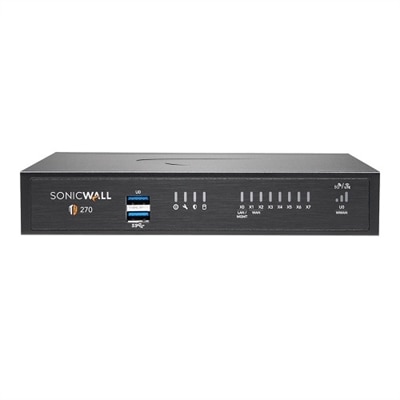
Many SD-WAN appliances come equipped with integrated security solutions such as next-generation firewalls, intrusion prevention systems, and encrypted tunnels. Features like the sonicwall firewall can provide robust protection against cyber threats, ensuring that data remains secure as it travels across various network connections.
Yes, most SD-WAN devices support remote and centralized management, allowing IT teams to monitor, configure, and troubleshoot the network from a single interface. This simplifies network administration, reduces response times for resolving issues, and enables quick deployment of updates or new policies across all connected locations.