Server Power Supplies
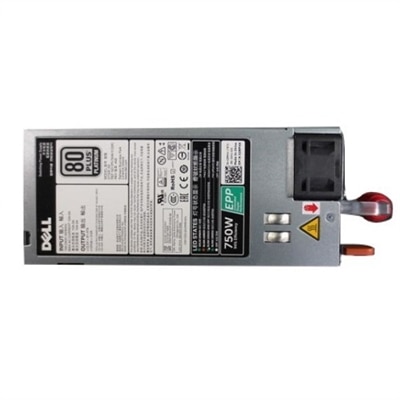
Server power supplies are essential components for maintaining reliable and efficient performance in data centers and business environments. Designed to support the demanding needs of modern servers, these units help ensure consistent operation and minimize downtime. Explore a wide selection of server power supplies to find the right fit for your infrastructure and keep your systems running smoothly.
This product is not available
Check out the following recommendations.



Server Power Supplies
Server power supplies convert alternating current (AC) from a wall outlet into the low-voltage direct current (DC) required by server systems and their internal components. Because the power supply sits between the electrical source and the hardware, choosing a compatible unit is essential for stable operation, predictable performance, and protection against avoidable interruptions. These products are commonly used by small businesses, IT departments, system builders, laboratories, educational facilities, and home-lab enthusiasts who maintain equipment that must remain available for extended periods. They may support file services, virtualization, application hosting, development environments, surveillance platforms, or other workloads that place steady demands on the system. When reviewing server power supplies, begin with compatibility rather than wattage alone. Confirm the exact chassis design, power module bay, connector arrangement, electrical input range, and supported system board before purchasing. Many rack-mounted systems use compact 1U or proprietary modular power supplies that differ substantially from standard desktop ATX units. A unit can have adequate output capacity and still be unsuitable if its dimensions, connectors, firmware expectations, or mounting points do not match the host system. Check the equipment documentation and the original power supply label for model information, voltage requirements, output ratings, and connector details. It is also useful to compare the number and type of connections with the system’s needs. A high-drive-count configuration, expansion-heavy build, or system with multiple processors may require more dedicated connectors and additional headroom than a lightly configured installation. Avoid relying on improvised splitters or adapters unless they are specifically rated and approved for the intended hardware, since poor connections can create heat, instability, or intermittent faults. For a replacement, matching the original specifications is often the most straightforward approach. For a new build, estimate the combined draw of processors, memory, drives, expansion cards, cooling fans, and connected peripherals, then allow practical headroom for startup demand and future changes. The goal is not simply to choose the largest available unit; it is to select a power supply that operates comfortably within its rated range while fitting the chassis and electrical environment.
Redundancy is another important consideration for systems where interruption carries a high cost. Many professional server platforms use two independent power modules, allowing one unit to continue supporting the system if the other fails or needs to be replaced. A compatible Redundant Power Supply For Servers can help support this configuration, but both modules, the chassis, and the power distribution arrangement must be designed to work together. Redundant modules are most effective when they connect to separate power sources or circuits, since connecting both to the same failed source may remove the benefit of redundancy. Hot-swappable designs can also make maintenance easier by allowing a technician to replace a failed module without shutting down the system, provided the platform supports that feature and the replacement procedure is followed carefully. Efficiency deserves attention as well. A power supply with a higher efficiency certification generally wastes less electricity as heat, which can help reduce operating costs and cooling demands over long periods of use. Efficiency varies with load, so look beyond the headline rating and consider performance at the typical workload level. Thermal design matters in compact rack environments, where restricted airflow and tightly packed equipment can raise temperatures quickly. Review fan behavior, operating temperature limits, airflow direction, and acoustic characteristics, especially for a home lab, office, classroom, or other setting where people work nearby. Some server power supplies are engineered for dense equipment rooms and may produce more fan noise than a conventional desktop unit. Monitoring features can add another layer of visibility. Support for PMBus or platform management tools may allow administrators to review input and output power, temperature, fan status, voltage, and module health through an integrated management interface. This information can make it easier to identify an aging unit before it becomes an operational problem. Keep a record of installation dates, observed power readings, and replacement part information so future maintenance is less dependent on memory. Proper installation also includes securing the module fully, routing cables away from fans, confirming that latches are engaged, and checking that the power cords and source connections are appropriately rated. A server power supply is not usually chosen as a gift in the traditional sense, but it can be a practical purchase for someone building a home lab, maintaining a small office system, learning infrastructure administration, or restoring dependable equipment after a failed module. The best choice is guided by the recipient’s exact platform and maintenance plans, not by appearance or general wattage claims. With careful attention to compatibility, capacity, efficiency, airflow, monitoring, and redundancy, the right power supply can help create a stable foundation for continuous server operation.
FAQs:
A redundant server power supply provides continuous power to your server even if one unit fails. This configuration ensures maximum uptime and allows for hot-swapping, so you can replace a faulty power supply without shutting down your system. It’s especially valuable for businesses that require high availability and uninterrupted service.
Selecting the correct wattage depends on the total power requirements of your server components, including processors, memory, storage devices, and any expansion cards. It’s recommended to calculate the combined power draw and add a buffer for future upgrades or peak loads. Consulting your server’s documentation or working with a professional can help ensure you choose a PSU that meets both current and future needs.
Efficiency ratings such as 80 Plus Gold or Platinum indicate how effectively a power supply converts AC power from the wall into usable DC power for your server. Higher efficiency ratings mean less energy is wasted as heat, which translates to lower electricity bills, reduced cooling requirements, and a more environmentally friendly operation.
Many modern server power supplies, including those compatible with Dell PowerEdge systems, support remote monitoring and management through protocols like PMBus. This allows IT administrators to track performance, power consumption, and health status from a central dashboard, making it easier to maintain optimal server performance and address issues proactively.
Upgrading to a high-efficiency server power supply benefits organizations and individuals who run servers continuously or have multiple systems in operation. IT professionals, small business owners, and tech enthusiasts with home labs often see improved reliability, lower energy costs, and enhanced system longevity from using high-efficiency PSUs.