$10.99
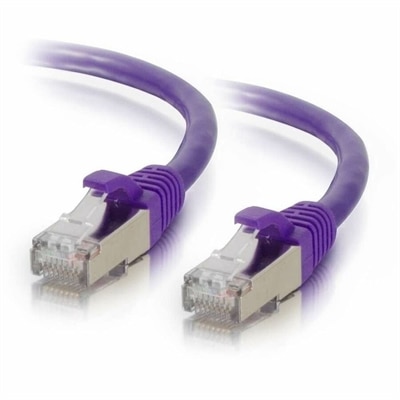
A purple shielded Cat6 network patch cable designed to reduce electromagnetic interference and crosstalk.
Shielded Cat6 patch cables provide a dependable solution for connecting network devices in environments where minimizing interference and maintaining signal integrity are essential. Ideal for both home and office setups, these cables help support efficient data transmission across your network infrastructure. Explore a range of shielded Cat6 patch cables designed to meet the demands of high-speed networking while helping to ensure stable and reliable connectivity.
A purple shielded Cat6 network patch cable designed to reduce electromagnetic interference and crosstalk.
Shielded Cat6 patch cables are designed for dependable wired connections between compatible computers, broadband equipment, wall jacks, and other Ethernet-enabled devices. Their added shielding helps reduce the effect of electromagnetic interference (EMI) and radio-frequency interference (RFI), which can be useful in work areas where cables run near power cords, fluorescent lighting, appliances, audio equipment, or other sources of electrical noise. A typical shielded Cat6 patch cable uses foil, braided metal, or a combination of both around the internal conductors. This layer helps protect the signal as it travels through the cable, supporting a cleaner connection in busy indoor environments such as home offices, classrooms, studios, retail counters, and shared workspaces. Cat6 cabling is commonly rated for bandwidth up to 550 MHz and can support Gigabit Ethernet connections when the connected equipment and installation are also capable of those speeds. It is generally backward compatible with Cat5e and Cat5 systems, making it a practical replacement when refreshing an older setup without changing every cable at once. Shielded construction does not automatically improve the speed of every connection, but it can help preserve signal quality where interference is a concern. For a compact workspace, a short cable can keep a laptop, desktop, or monitor area tidy while avoiding a loop of excess cable behind a desk. Browse Short Cat6 Patch Cables when a neat, close-range connection is a priority.
Choosing the right shielded Cat6 patch cable starts with measuring the path rather than estimating. A three-foot cable may be appropriate for equipment placed side by side, while a six- or ten-foot length can provide enough reach for a desktop positioned beneath a desk or across a small office area. Extra length may seem convenient, but too much slack can become tangled around chair legs, collect dust, or make a carefully arranged workspace look cluttered. A cable that is too short may pull on its connectors or place unnecessary strain on the port, so a little flexibility is helpful when equipment may be moved. Look for RJ45 connectors designed for standard Ethernet ports, with molded housings that protect the connection point and gold-plated contacts that resist corrosion over time. Snagless boots are especially useful when cables are routed through a crowded workspace or stored in a bag, because they help protect the small locking clip from catching on nearby cables. Stranded bare copper conductors are often preferred for patch cables because they bend more easily than solid-core conductors, making them well suited to connections that are frequently adjusted or routed around furniture. Pay attention to the shielding format as well. F/UTP cables use an overall foil shield, while other designs may combine foil or braid shielding around individual pairs and the complete cable. The best choice depends on the amount of interference in the area, the way the cable will be routed, and whether the connected equipment and jacks are designed to maintain a shielded path. For a standard indoor desk, a flexible molded cable may be sufficient; for a crowded workspace near power wiring or heavy appliances, more robust shielding can provide added confidence.
These cables are useful for people who value a stable wired connection, including remote workers, students, gamers, content creators, small-business teams, and anyone organizing a home office. A remote worker may use one to connect a desktop computer or docking setup to broadband equipment, reducing reliance on a wireless signal during video meetings or large file transfers. A gamer may prefer a direct wired connection for consistent responsiveness, particularly when the play area is near entertainment equipment or multiple power adapters. A family setting up a study corner can use shielded Cat6 cables to keep a computer connected without stretching a cable across a walking path, while a small business can use several matching lengths to make shared desks easier to maintain. They can also be a thoughtful practical gift for someone moving into a new apartment, building a first home office, or replacing aging cables in a gaming or media space. During the warmer months, they can help with a quick workspace refresh as desks move near windows or different rooms; during the cooler months, they remain useful for organizing equipment indoors and keeping cords away from heaters and other household appliances. Before purchasing, confirm the required length, connector type, cable category, shielding style, color preference, and whether the cable will remain stationary or be handled often. Keep the cable away from sharp bends, crushing pressure, and extended parallel runs beside electrical cords whenever possible. If a cable must cross a power cord, crossing at a right angle can help reduce the area exposed to interference. With the right length and construction, a shielded Cat6 patch cable can provide a tidy, flexible connection that supports everyday computing without becoming an eyesore in the room.
Add the products you would like to compare, and quickly determine which is best for your needs.