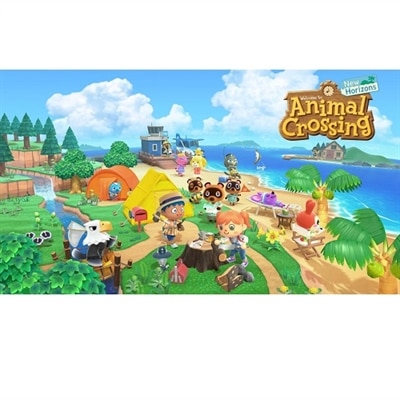
Single Player Adventure Games
Single player adventure games invite you to embark on immersive journeys filled with captivating stories, challenging puzzles, and unforgettable worlds. Whether you’re exploring ancient ruins, solving mysteries, or charting your own path through fantastical landscapes, these titles offer rich experiences designed for solo play. Discover a wide selection of single player adventure games that cater to every type of explorer and storyteller, perfect for those seeking excitement and discovery at their own pace.
This product is not available
Check out the following recommendations.




Single Player Adventure Games
Single-player adventure games center on exploration, discovery, and a journey experienced from one player’s perspective, often combining storytelling with puzzles, traversal, or combat. Their appeal lies in having a world to explore without needing to coordinate schedules with teammates or keep pace with other players. A quiet passage through an abandoned observatory can reveal as much as a dramatic chase across a collapsing bridge: a handwritten note, a locked cabinet, or an unfamiliar constellation might become the next piece of the story. Some adventures follow a tightly directed sequence of chapters, with carefully timed revelations and cinematic scenes. Others open into broad landscapes where the main objective can wait while a distant tower, hidden cave, or conversation draws attention elsewhere. Neither structure is inherently more immersive; the difference is whether the experience provides steady narrative momentum or room to follow personal curiosity. Story-driven games can emphasize relationships, mysteries, survival, or the consequences of a character’s decisions, while exploration-focused experiences give more weight to navigation and environmental discovery. The category also overlaps with action-adventure games, role-playing games, and puzzle games, so the balance of activities matters more than the label alone. One adventure might ask players to interpret symbols and combine objects, while another mixes climbing, stealth, equipment upgrades, and close-range encounters. Those drawn to movement and combat alongside exploration can also explore PC Action Adventure Games for a related style of play. First-person perspectives place clues and scenery directly in the player’s view, while third-person perspectives keep the protagonist visible and can make movement through the environment easier to judge. Hand-painted settings, stylized animation, and realistic environments each create a different atmosphere, without necessarily determining the depth of the experience. Across these approaches, a strong solo adventure makes progress feel meaningful, whether that progress is reaching a new region, understanding a character’s motives, or finally recognizing how an overlooked detail connects to the larger mystery.
The right fit often depends on how a game’s pace, challenge, and structure align with the way someone likes to spend their downtime. A player settling in for a short evening session may appreciate clear objectives, frequent checkpoints, and a journal that recalls the last conversation. Someone looking forward to a long weekend of exploration may prefer interconnected regions, optional quests, and discoveries that reward returning to familiar locations with new abilities. Length alone does not describe that experience: a compact mystery can deliver a satisfying, complete story, while a sprawling adventure may include substantial time spent traveling, gathering resources, or pursuing optional activities. Puzzle design also varies considerably. Environmental puzzles ask players to notice how a place works, perhaps tracing a beam of light through a ruined chamber, while inventory puzzles focus on finding and using objects in unexpected ways. Combat can range from occasional encounters to a central part of nearly every chapter, with different demands on timing, accuracy, and tactical thinking. Stealth offers another rhythm, built around observing patrols, choosing routes, and deciding when to move. Adjustable difficulty, optional hints, remappable controls, subtitle settings, and motion-related options can make a substantial difference to comfort and enjoyment when supported. Features such as text-size adjustments or separate dialogue-volume controls may be especially useful when important clues appear in documents or spoken exchanges. Save systems deserve similar attention because manual saves, automatic checkpoints, and restrictions during encounters affect how easily a session can pause or end. Solo play does not automatically mean offline play; installation, account setup, activation, or some features may require an internet connection. Age ratings and content descriptors help distinguish lighter adventures from stories involving intense violence, frightening imagery, or mature themes. As gifts, these games can suit mystery readers, science-fiction enthusiasts, fantasy fans, and players who enjoy working through challenges independently, provided the platform, content, and play style match the recipient’s preferences.
For PC play, compatibility and everyday comfort help turn an appealing adventure into an experience that feels good over many sessions. Minimum system requirements generally describe the hardware needed to run a game, while recommended specifications provide a more useful starting point for evaluating the intended experience; neither should be treated as a promise of a particular frame rate at every setting. Processor capability, graphics hardware, memory, operating-system support, and free installation space all matter, especially in detailed environments with long sightlines or busy scenes. A laptop offers flexibility for playing in different rooms, while a desktop can suit a dedicated setup with a larger monitor and a consistent seating position. Screen resolution, graphics settings, and performance work together: increasing detail can make forests, city streets, and weather effects more vivid, but smooth movement may be more valuable during rapid camera turns or precise jumps. Clear dialogue and directional sound can also contribute to exploration, whether the clue is a voice behind a door or the faint noise of machinery in the next room. Headphones can bring out those details, while speakers may feel more comfortable for players who prefer not to wear a headset through a lengthy chapter. Input preferences are equally personal. A mouse can support precise pointing and camera control, while a controller may feel natural for character movement and relaxed seating when the game supports it. For frequently used accessories, durable housings, comfortable grips, flexible cables, and replaceable wear components can matter more over time than decorative finishes. A headset’s weight and ear-cushion materials influence comfort during extended use, and controller size can affect how easily fingers reach buttons without strain. Keeping ventilation openings unobstructed and cleaning screens and peripherals according to their care instructions helps maintain the equipment used for play. Within the games themselves, replay value may come from branching decisions, alternative routes, optional discoveries, or the simple pleasure of revisiting a memorable setting. A satisfying single-player adventure ultimately brings its storytelling, exploration, and interaction into balance, giving each session a sense of progress while leaving something worth returning to.
FAQs:
When choosing a laptop or desktop for single player adventure games, prioritize a powerful processor, ample RAM, and a dedicated graphics card to handle detailed visuals and complex environments. A high-resolution monitor and quality audio accessories can further enhance the immersive experience.
Single player adventure games span a wide range of genres and ratings, making it easy to find options suitable for children, teens, and adults. Always check the game’s content and rating to ensure it matches the preferences and maturity level of the player.
Absolutely. Single player adventure games are a thoughtful gift for anyone who enjoys immersive storytelling, exploration, and creative challenges. They’re especially popular among students, professionals, and anyone seeking a relaxing escape or a captivating solo journey.
Accessories like ergonomic keyboards, precision gaming mice, and high-fidelity headsets can greatly improve comfort and immersion during long gaming sessions. These tools help players interact more naturally with the game world and enjoy richer audio-visual details.
While single player adventure games focus on solo play, many players share their experiences through online communities, streaming, or by discussing story choices and strategies with friends. For those interested in collaborative play, exploring options like Multiplayer Action Adventure Games can offer new ways to connect.