$99.95
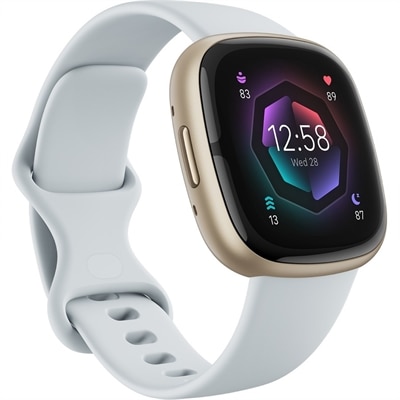
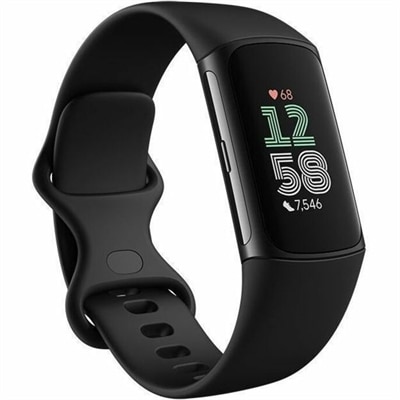
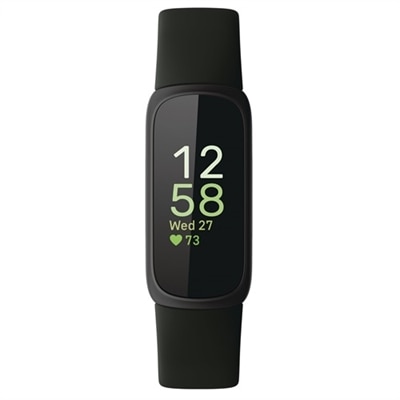
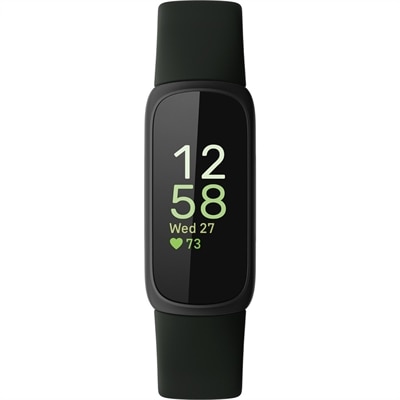
A smart band tracking activity, stress, sleep, heart rate, and daily readiness insights with guided breathing.
Explore sleep tracking wearables to help you understand your nightly rest and sleep patterns. Compare options by the sleep insights they provide, compatibility with your phone, battery life, and comfort for overnight wear to find a fit for your routine.
A smart band tracking activity, stress, sleep, heart rate, and daily readiness insights with guided breathing.
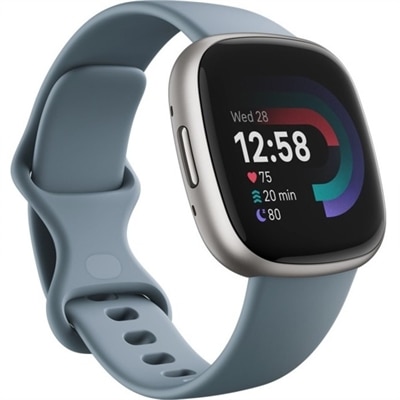
A wellness-focused smartwatch with continuous stress, sleep, heart-rate, activity, ECG, SpO2, Google Wallet, and Maps tracking.
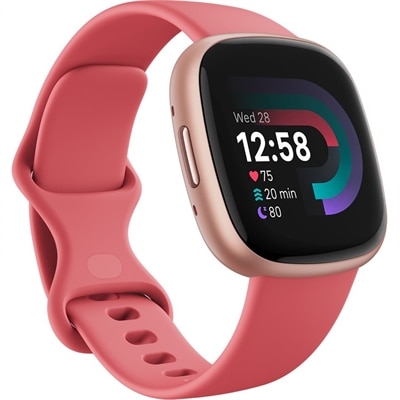
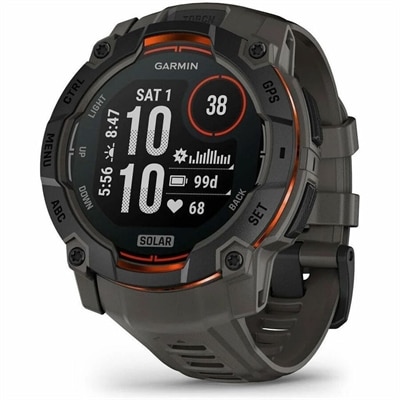
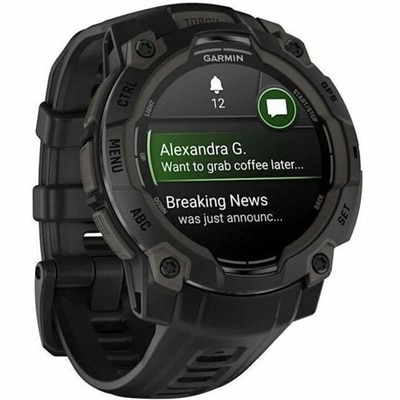
A lightweight smartwatch with built-in GPS, 40+ exercise modes, readiness insights, and call and text notifications.
Sleep tracking wearables bring overnight activity into view through compact devices designed to stay on while the body rests. Smart rings, wristbands, and smartwatches take different approaches to the same everyday task: recording signals that can help reveal patterns in sleep duration, timing, and consistency. Depending on the device, those signals may include movement, heart rate, heart rate variability, skin temperature, and estimated blood oxygen levels. Motion sensors register periods of activity and stillness, while optical sensors use light to detect changes associated with blood flow. Software interprets these readings to estimate when someone falls asleep, wakes up, or moves between light, deep, and rapid eye movement sleep. These stages are estimates, not direct measurements of brain activity, and a consumer wearable does not replace a clinical sleep evaluation. Quiet time spent reading in bed can sometimes look like sleep, while a restless night may produce incomplete or less reliable readings. The most useful picture often comes from repeated nights rather than a single score. A week of later bedtimes, an unusually early commute, or an evening workout may become easier to recognize when sleep records sit alongside daily routines. Heart rate variability describes changes in the time between heartbeats; it can provide personal context, but it is not a standalone measure of recovery or health. Likewise, overnight skin temperature reflects conditions at the skin rather than core body temperature, and blood oxygen estimates do not establish whether a breathing disorder is present. Differences in sensors, software, and scoring methods also mean that results from separate devices are not always directly comparable. For everyday use, a consistent record of bedtime, wake time, and total sleep can be more practical than chasing a particular percentage of deep sleep. These wearables are best understood as tools for noticing personal patterns and supporting conversations about routines, with persistent sleep concerns, loud snoring, or significant daytime sleepiness better discussed with a healthcare professional.
Comfort matters especially for something worn through the night, when a bulky case, tight strap, or raised edge can become noticeable against a pillow or beneath a sleeve. Ring-style wearables offer a compact, screen-free format, wristbands can keep the emphasis on passive tracking, and smartwatches may combine overnight measurements with daytime functions. Materials vary across these formats and may include titanium, stainless steel, silicone, or woven textiles. A smooth inner surface and rounded edges can make extended wear more comfortable, while a breathable band may suit someone whose wrist becomes warm during sleep. Fit needs to balance comfort with reliable sensor contact. A loose band can shift as an arm moves, but an overly tight one may leave marks or cause irritation. Rings also need room for normal changes in finger size, including swelling associated with heat or activity; device-specific sizing information is more useful than assuming a familiar jewelry size will work. For wrist-based sensors, position, movement, tattoos, and skin contact can affect readings. Care is generally straightforward but should follow the manufacturer's directions: keep contact surfaces clean, remove residue from lotions or soap, and allow the device and skin to dry before extended wear. Fabric bands may retain moisture longer than silicone, and charging contacts need attention if perspiration or debris accumulates. Water resistance is not the same as suitability for every activity, so bathing, swimming, and exposure to hot water should stay within the device's stated limits. Durability also includes how finishes, straps, clasps, and charging components hold up to repeated use. Battery life and charging habits affect the continuity of overnight records. A charging window during a shower or a quiet period at a desk can be more convenient than leaving the device on its charger at bedtime. Phone compatibility, app permissions, and the way records sync deserve attention as well, since a comfortable wearable is most useful when its information is easy to access and understand.
Different daily routines call for different wearable styles, and the best fit is often the one that feels unobtrusive enough to wear consistently. Someone who spends the day at a keyboard may appreciate a slim profile that does not press against the desk, while an active person may value a secure band that transitions comfortably from exercise to bedtime. A screen-free device can suit a sleeper who wants fewer distractions, whereas a smartwatch may appeal to someone who also uses activity tracking, reminders, or other supported functions during the day. Nighttime settings matter in a dark bedroom: dimmed displays, disabled notifications, and clearly controlled vibration can help keep the wearable from becoming another interruption. Travelers, shift workers, and people with irregular schedules may find timing records useful, but support for daytime sleep, naps, and changing time zones varies by device and software. Clear timelines can make those differences easier to interpret than a single daily rating. For older teens interested in everyday activity features alongside overnight tracking, Smart Watches For Teens provides a related category to explore. As a gift for a birthday, graduation, or a new fitness routine, a sleep-focused wearable works best when it matches the recipient's preferences for jewelry, wristwear, and phone use. Size, sensitivity to materials, charging convenience, and willingness to wear a device overnight are more meaningful considerations than an impressive list of measurements alone. Privacy matters, too: sleep and health information is personal, so understandable sharing controls and account settings are valuable features. Some people enjoy reviewing a detailed morning timeline; others prefer a simple weekly view that highlights regularity without drawing attention to every restless hour. A wearable should support that preference rather than create pressure to achieve perfect numbers. Paired with a comfortable bedroom and a routine that leaves enough time for rest, sleep tracking wearables can make otherwise forgettable nights easier to put in context, while keeping the focus on how someone feels and functions throughout the day.
Add the products you would like to compare, and quickly determine which is best for your needs.