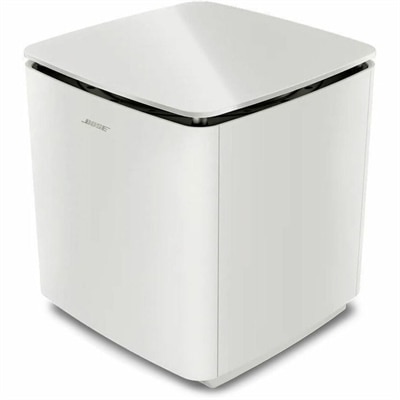
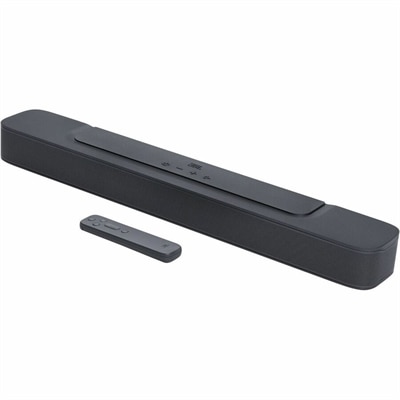
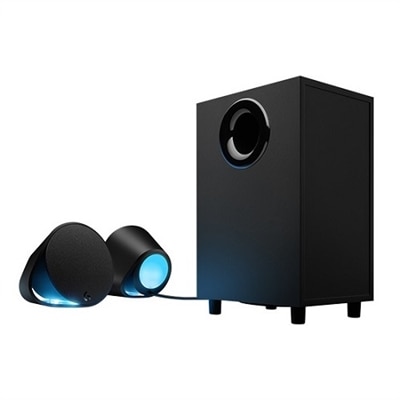
Subwoofer Speakers
Experience the power and depth of sound with subwoofer speakers that bring your audio setup to life. Perfect for home theaters, music enthusiasts, and gaming rigs, these speakers are designed to deliver rich, immersive bass that enhances every listening experience. Whether you're watching movies, playing games, or enjoying your favorite tunes, subwoofer speakers provide the thumping lows and dynamic range that make every moment more impactful. Explore a variety of options to find the perfect addition to your sound system and elevate your auditory experience to new heights.
This product is not available
Check out the following recommendations.




Subwoofer Speakers
Subwoofer speakers are dedicated loudspeakers that reproduce bass and sub-bass, the low-frequency sounds that give music, movies, and games their depth and physical presence. Their operating range often falls somewhere within approximately 20 to 200 Hz, although the actual frequency response varies by design, and not every subwoofer reaches the lowest audible notes. A subwoofer complements other speakers rather than replacing them: the main speakers handle voices, instruments, and higher-frequency detail, while the subwoofer supplies the weight beneath a kick drum, the rolling rumble of a storm, or the low pulse of a film soundtrack. In a desktop audio setup, that division can give compact satellite speakers a fuller sound without requiring large speakers on either side of a monitor. A 2.1 speaker system combines two main speakers with one subwoofer, making it a familiar format for computer listening, streaming entertainment, and gaming. Separate powered subwoofers serve a similar purpose in compatible home audio systems, with a built-in amplifier supplying the power their bass driver needs. Passive subwoofers require an appropriate external amplifier, so the distinction matters when matching components. For everyday listening, satisfying bass is not simply the loudest bass. A well-integrated subwoofer adds body to a bass guitar while leaving the singer easy to hear, and makes an on-screen engine sound substantial without overwhelming dialogue. Listeners who enjoy orchestral recordings, electronic music, action films, or immersive games may appreciate different aspects of that low-end extension. Even at moderate listening levels, a balanced system can make a small workspace feel more engaging. Subwoofer speakers also suit shared entertainment rooms, where one audio system supports playlists during dinner, a weekend movie, and an evening at the computer. The best fit depends on the space, the existing equipment, and whether the intended experience calls for subtle warmth or a more pronounced sense of impact. Their appeal lies in making the lower octaves feel connected to the rest of the sound, not separate from it.
The enclosure, driver, and amplifier work together to shape how a subwoofer sounds and where it fits. Sealed cabinets use a closed enclosure and can offer controlled bass with a gradual low-frequency roll-off; ported cabinets use a tuned opening to increase output around part of their operating range. Neither construction guarantees better sound on its own, because cabinet volume, tuning, amplification, and room acoustics all influence the result. Driver diameter is another useful detail, but a larger cone does not automatically mean deeper or more accurate bass. Frequency response, enclosure dimensions, and the system’s intended listening level provide more meaningful context when considered together. Continuous or RMS power ratings are generally more useful for understanding sustained output than peak figures, though wattage alone does not establish loudness or sound quality. Cabinets commonly use engineered wood, such as medium-density fiberboard, to create a rigid structure that helps limit unwanted panel vibration. Driver cones may use treated paper, polypropylene, or composite materials, with flexible surrounds designed to accommodate repeated movement. Protective grilles help shield the driver from everyday contact, an important consideration beside a desk or in a busy living room. Physical fit includes more than the cabinet’s footprint: cables need space, ports need the clearance specified by the manufacturer, and ventilation openings must remain unobstructed. A compact enclosure may tuck beneath a desk, but legroom and access to controls still matter. Front-firing and down-firing designs describe the direction the driver faces; neither guarantees a particular listening experience without considering placement. For a broader look at audio built around low-frequency presence, Deep Bass Speakers offers a related category to explore. Across these designs, useful features can include adjustable bass level, crossover controls, phase adjustment, and automatic standby. Their value depends on the system: a matched computer speaker set may manage much of the integration internally, while a separate subwoofer often provides more control over how its output blends with the main speakers.
Connections and room conditions are just as important as the subwoofer itself. A separate powered subwoofer typically needs a compatible signal source, such as a receiver or audio component with a subwoofer output; it cannot necessarily connect directly to a laptop simply because both devices support audio. Computer speaker systems with an included subwoofer may instead accept a connection through USB, a 3.5 mm input, or wireless audio, depending on their design. A wireless connection also does not necessarily eliminate the need for a power cord, and compatibility with an existing sound system should never be assumed. For gaming and video, connection latency can affect how closely sound follows the action on screen. In a home office, accessible volume controls and a headphone connection may be more useful than maximum output, especially when the same desk supports meetings during the day and entertainment afterward. Room size and furnishings influence bass: bare surfaces, corners, and the distance from walls can make certain notes more prominent than others. A corner position often increases perceived bass output, but it can also exaggerate resonances. Nearby shelves, loose objects, and lightweight desk panels may rattle when low notes build, while suitable isolation feet or pads can help reduce direct vibration transfer to furniture or flooring without soundproofing the room. Apartment residents and people sharing a household may prefer easy bass adjustment for quieter evening listening. Long-term care is usually straightforward: a soft, dry cloth keeps the exterior clean, liquids should stay away from openings, and exposed cones should not be pressed or scrubbed. Manufacturer instructions take priority for grille cleaning, ventilation, and safe placement. Durable cabinet finishes, protected drivers, and neatly routed cables help an audio setup withstand ordinary daily use. As a gift for a music listener, movie enthusiast, or PC gamer, subwoofer speakers are most useful when their connections and dimensions suit the recipient’s equipment and room. A thoughtfully matched setup brings out the resonance of a plucked bass string, the scale of a cinematic score, and the texture of a game’s atmosphere while preserving a comfortable, balanced listening experience.
FAQs:
A subwoofer speaker enhances your audio experience by delivering deep, powerful bass that standard speakers often miss. This addition brings out the full impact in music, movies, and games, allowing you to feel low-frequency effects and enjoy a more immersive, balanced soundstage.
Yes, many subwoofer speakers are designed to integrate easily with computers and laptops. Computer subwoofer speakers can connect via standard audio jacks or USB, and some models even offer Bluetooth connectivity for wireless convenience, making them ideal for gaming, streaming, or enjoying music at your desk.
Most powered subwoofers connect to your audio system using RCA cables or speaker wire, and many models offer straightforward plug-and-play installation. For best results, follow your subwoofer's setup guide and use quality cables to ensure a seamless blend with your main speakers.
A Bluetooth car subwoofer is a great option for those seeking enhanced bass and wireless flexibility in their vehicle. These subwoofers can connect to your smartphone or car stereo via Bluetooth, allowing you to enjoy deep bass without complicated wiring or installation.
Subwoofer speakers make excellent gifts for music lovers, movie enthusiasts, gamers, students, or anyone setting up a new entertainment space. They’re also popular among families upgrading their home theater, professionals enhancing their workspace audio, and car audio fans looking for more impactful sound.