Ultimate Gaming Systems

Explore ultimate gaming systems to find a gaming PC that fits your favorite games, setup, and budget. Compare available configurations by processor, graphics, and memory, using your games’ recommended system requirements and your target resolution to help narrow your options.

Filters

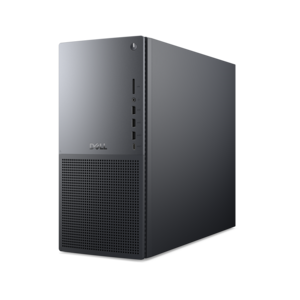
$1879.99

A powerful desktop featuring advanced graphics and expansive upgradeability for creative workflows, gaming, and demanding performance.

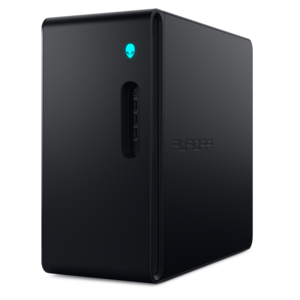
$1879.99
$11399.99

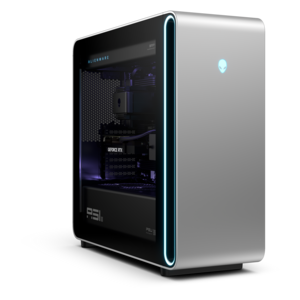
A flagship gaming desktop with advanced design and up to AMD Ryzen 9000X3D series processors for gameplay.

$11399.99
$4899.99

A purpose-built gaming desktop featuring efficient airflow and improved acoustics for immersive gaming in any setting.

$4899.99
$2199.99

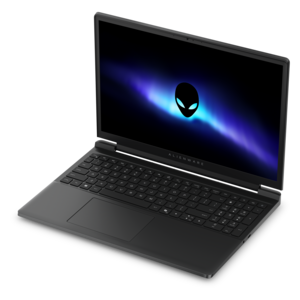
A powerful gaming laptop with Intel Core processors and NVIDIA GeForce RTX graphics for immersive gaming.

$2199.99
$13499.99

A powerful gaming desktop featuring an advanced design for legendary gaming performance.

$13499.99
$4249.99

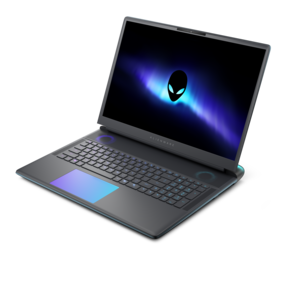
A flagship gaming laptop engineered for innovative, high-performance play by passionate gamers.

$4249.99
$6649.99

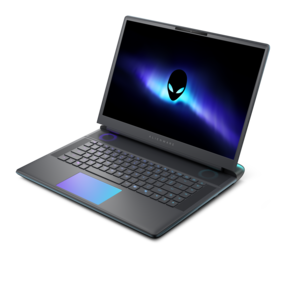
A flagship gaming laptop engineered for innovative, high-performance play.

$6649.99

Ultimate Gaming Systems

Ultimate gaming systems combine a capable gaming desktop or laptop, a responsive display, and comfortable peripherals in a setup suited to the games being played. What makes a system feel exceptional is not one specification alone, but how its components work together during actual play: a crowded multiplayer match, a richly detailed open world, or a racing session where every steering correction matters. Graphics performance influences the visual detail and resolution a computer can handle, while processor performance helps support game logic, busy environments, and background tasks. Memory capacity also matters when a game shares the system with voice chat, a browser, or recording software. A balanced configuration can deliver a more satisfying experience than one standout component paired with hardware that cannot keep pace. For competitive players, smooth frame delivery and responsive input may matter more than the highest visual settings. Players drawn to cinematic adventures may place greater emphasis on detailed textures, convincing lighting, and a larger screen. Higher resolutions and demanding visual effects increase the workload, so the relationship between graphics capability and display resolution is central to the experience. Desktop gaming systems offer a dedicated home base, often with room for substantial cooling and, depending on the chassis, future component changes. Gaming laptops bring the screen, keyboard, and computing hardware into a portable format that can move between a desk, a shared living space, and a travel bag. That portability comes with practical considerations, including weight, adapter size, cooling needs, and differences between battery-powered and plugged-in performance. Preconfigured systems provide an assembled foundation, while configurations with accessible internal components may appeal to enthusiasts who expect their needs to evolve. Neither format is automatically the ultimate choice for every player. The strongest fit is a system that supports favorite games, everyday routines, and the space where gaming actually happens, whether that means a permanent desk setup or a computer that regularly travels.

The surrounding setup shapes how that computing power looks, sounds, and feels. A gaming monitor’s resolution determines how much detail it can show, while refresh rate describes how often the screen updates; the computer still needs to produce sufficient frames to take full advantage of a high-refresh display. Fast-paced games benefit from clear motion, although response behavior and other display characteristics also influence the result. Larger screens can make expansive landscapes more absorbing, but their dimensions need to suit the desk and viewing distance. An ultrawide format can create a broad field of view in supported games, while a more compact display may fit a smaller room or leave space for coursework and other equipment. Screen finish matters in everyday use, too: reflections from a nearby window can change how easily darker scenes are seen. Adjustable monitor stands make it easier to position the screen comfortably, and compatible mounting options can free up desk space when the furniture and mount support the display’s size and weight. Connections deserve the same attention as the screen itself. Available display outputs, supported resolutions and refresh rates, and peripheral ports all affect how naturally the pieces fit together. A laptop used with an external monitor, keyboard, and mouse can become a stationary gaming setup without giving up its portable role. Physical construction is another part of that fit. Metal panels, reinforced plastics, textured grips, and smooth palm rests each bring a different feel, but material alone does not determine durability; hinges, joints, cable strain relief, and overall construction matter as well. Desktop towers need enough clearance for ventilation, and laptops perform best on firm surfaces that do not obstruct their vents. A compact chassis can suit a restrained workspace, while a larger enclosure may accommodate more cooling hardware. Lighting and transparent side panels add visual personality, but accessible ports, manageable cables, and unobstructed airflow remain useful long after the novelty of a new setup wears off.

Controls and audio complete the connection between the player and the game. A keyboard’s layout, key spacing, and switch feel affect everything from quick movement commands to an evening of typing between sessions. Some players prefer a smaller keyboard that leaves more room for broad mouse movements; others value a full layout for shortcuts, number entry, or simulation controls. Mouse shape and weight are similarly personal, with hand size, grip style, and the amount of available desk space influencing comfort. For platformers, sports games, racing, and relaxed play from farther back, Cool Gaming Controllers can complement a keyboard-and-mouse setup, with compatibility, button layout, and wired or wireless operation shaping the experience. Headsets bring another set of practical details: ear-cup size, cushioning, headband adjustment, microphone placement, and cable length can all become noticeable during a long session. Clear dialogue and usable voice communication may be more important in a shared household than room-filling audio, while speakers can suit a dedicated space where sound will not interrupt anyone nearby. These details also make gaming equipment a thoughtful gift for an adult player, college student, or family member whose preferences are already familiar. Compatibility and personal fit matter more than choosing the most elaborate-looking accessory, particularly when a recipient already has a favorite control layout or limited desk space. Daily care helps preserve the setup’s appearance and function. Gentle cleaning with an appropriate cloth, following the manufacturer’s instructions, can remove fingerprints and dust without damaging finishes; liquids should not be sprayed directly onto screens or openings. Keeping vents clear, handling connectors by their housings, and packing portable equipment in a suitably padded compartment can reduce avoidable wear. For players who also study, create videos, or work from the same computer, an ultimate gaming system is ultimately a versatile personal space: powerful enough for demanding entertainment, comfortable enough for regular use, and thoughtfully arranged so that starting a game feels effortless.

FAQs:

Add the products you would like to compare, and quickly determine which is best for your needs.

Add the products you would like to compare, and quickly determine which is best for your needs.