$49.99
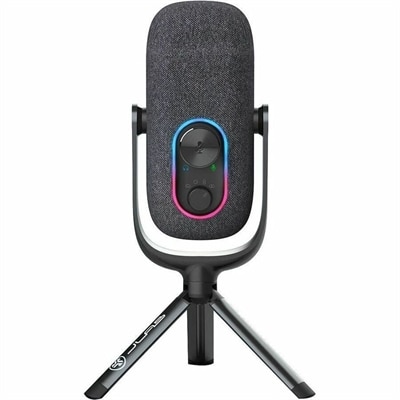
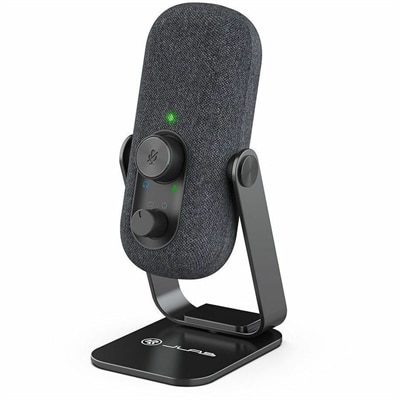
A compact black condenser microphone offering 24-bit/96kHz recording, cardioid and omnidirectional modes, and USB-C plug-and-play connectivity.
Elevate your audio recording experience with our selection of USB studio microphones, perfect for podcasters, musicians, and content creators seeking professional-quality sound. Whether you're setting up a home studio or enhancing your streaming setup, these versatile microphones offer plug-and-play convenience, making them an ideal choice for both beginners and seasoned professionals. Explore a range of options designed to capture every nuance of your voice or instrument with clarity and precision. Discover the perfect USB studio microphone to suit your creative needs and transform the way you record audio.
A compact black condenser microphone offering 24-bit/96kHz recording, cardioid and omnidirectional modes, and USB-C plug-and-play connectivity.
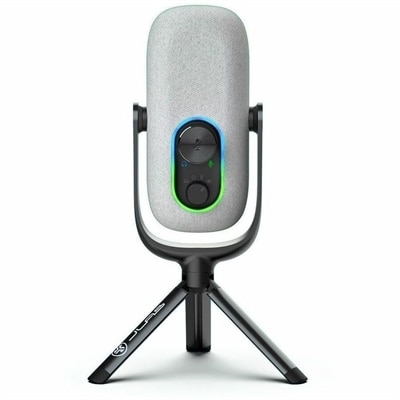
A black condenser microphone delivering 96kHz/24-bit recording, four directional patterns, USB-C plug-and-play, and convenient volume controls.
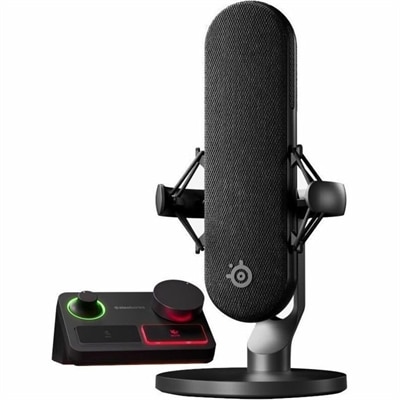
A wired condenser microphone with noise cancellation, XLR stream mixer, USB-C connectivity, and customizable controls.
USB studio microphones make it easier to capture clear, detailed audio without building a complicated recording system. Designed to connect directly to a laptop, desktop, or compatible tablet through USB, these microphones typically combine the microphone capsule, digital conversion, and connection hardware in one convenient device. That plug-and-play design can be especially useful for podcasting, voice-over work, online lessons, livestreaming, video calls, music demos, and home recording. A condenser microphone is often a practical choice for these uses because its sensitive capsule can reveal the detail and texture of spoken words, singing, acoustic instruments, and other close-up sources. The same sensitivity that produces a lively, polished recording also picks up more of the room, so placement matters. Set the microphone on a stable desk stand, boom arm, or shock mount, position it several inches from the speaker, and aim the front of the capsule toward the sound source. A pop filter or foam windscreen can help soften bursts of air from sounds such as “p” and “b,” while a quiet corner with curtains, rugs, bookshelves, or upholstered furniture can reduce distracting reflections. These small adjustments often make a noticeable difference, especially in rooms with bare walls and hard floors. USB microphones are appealing to beginners because they do not generally require a separate audio interface or mixer, yet they can also serve experienced creators who want a compact setup for travel, secondary recording spaces, or quick production sessions. Compatibility is an important first check: review the available USB connection, operating-system support, tablet requirements, and any included cables or adapters before choosing a microphone. A model with straightforward controls can help new users get started comfortably, while onboard gain adjustment, mute controls, and a selectable monitoring mix can give more experienced users useful control without opening a separate software panel.
Sound quality depends on more than a microphone’s appearance or advertised resolution. Digital specifications such as bit depth and sample rate describe how the microphone converts sound into an audio file. A 24-bit microphone can provide generous recording headroom, which helps preserve subtle detail while leaving room to adjust levels during editing. Sample rates such as 48kHz are well suited to video and spoken-word production, while higher rates such as 96kHz may appeal to musicians or creators who want additional flexibility during processing. These numbers are useful reference points, but they do not replace thoughtful recording technique. Set the input gain so the loudest parts of a performance remain comfortably below clipping, and watch the level meter while speaking or playing. A built-in 3.5mm headphone jack is another valuable feature because it allows direct monitoring of the microphone signal. When headphone monitoring has zero or very low latency, the speaker can hear their voice naturally instead of noticing a distracting delay from the computer. This is helpful for narration, interviews, singing, and live broadcasts, where timing and pacing matter. Some USB studio microphones offer selectable polar patterns, which determine how sound is captured around the capsule. A cardioid pattern focuses on the front and helps reduce sound from behind, making it a strong fit for solo voices, podcasts, streaming, and voice-over recording. Omnidirectional pickup captures sound from all directions and may be useful for group discussion or ambient recording, while bidirectional pickup can support a face-to-face conversation with two participants positioned on opposite sides. Multi-pattern microphones add flexibility for changing projects, though a simple cardioid design may be easier to position and operate. Consider physical controls as well: a front-facing mute button can be convenient during a live session, a gain knob enables quick adjustments, and a sturdy base can reduce bumps transferred through the desk. For a permanent setup, check whether the microphone supports a standard stand or boom-arm mount and whether its size leaves enough room for a keyboard, monitor, or other desktop accessories.
USB studio microphones can suit a wide range of people, from a student recording a presentation to a musician creating a vocal demo, a remote worker improving online meetings, or a small business owner producing training content. They can also be thoughtful gifts for someone setting up a podcast, building a streaming channel, practicing voice acting, recording family stories, or taking an interest in home music production. A microphone that connects directly to a computer can make the first step feel manageable: connect the cable, choose the microphone as the input and output device in the recording application, adjust the level, and begin. For students, a clear microphone can make recorded assignments, study-group sessions, language practice, and remote presentations easier to follow; additional ideas and considerations are available in Best USB Microphones For Students. For creators, think about the full workflow rather than the microphone alone. Headphones help monitor background noise, a desk arm can keep the microphone at a consistent distance, and recording software provides tools for trimming silence, balancing volume, and reducing unwanted noise. A larger-diaphragm condenser can deliver a warm, detailed character, but it may reveal keyboard taps, air-conditioning hum, and room echo, so a dynamic microphone or a less sensitive pickup pattern could be preferable in a lively environment. Before purchasing, compare the intended recording space, number of speakers, mounting options, connection type, monitoring features, resolution, included accessories, and the microphone’s control layout. During the cooler months, when more people spend time indoors working on creative projects, a compact USB setup can turn a quiet corner of a room into a practical recording space. With careful placement and sensible level settings, a USB studio microphone can provide a clean, approachable foundation for conversations, performances, lessons, and polished digital content.
Add the products you would like to compare, and quickly determine which is best for your needs.