Voltage Step Down Transformers
Voltage step down transformers are essential devices for safely converting higher voltage levels to lower ones, enabling compatibility between different electronic equipment and power sources. Whether you need to operate appliances, computers, or other electronics designed for a specific voltage, these transformers provide a reliable solution for both home and business environments. Explore a wide selection of voltage step down transformers to find the right fit for your power conversion needs.
This product is not available
Check out the following recommendations.



Voltage Step Down Transformers
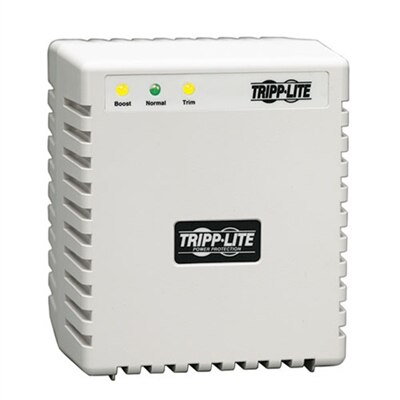
Voltage step-down transformers are designed to reduce a higher incoming AC voltage to a lower voltage that matches the requirements of compatible electronics and appliances. They are commonly used when equipment rated for 110V–120V needs to operate from a 220V–240V power supply, as may be found in many international homes, offices, hotels, studios and travel destinations. Inside the transformer, a primary coil receives the incoming electricity and creates a magnetic field, while a secondary coil with fewer turns induces a lower output voltage. This process changes the voltage without changing the basic nature of the power as alternating current. A step-down transformer can be useful for travelers returning with electronics purchased abroad, households using imported appliances, students living between countries, and anyone setting up a workspace with equipment that has different electrical requirements. It may also be a practical gift for a frequent traveler, remote worker or technology enthusiast who spends time in places with varying electrical standards. Before choosing one, read the label or specifications on the device you plan to connect. Look for the required input voltage, output voltage, frequency, plug configuration and power consumption, then select a transformer that supports the correct combination. A simple plug adapter changes the shape of a plug but does not reduce voltage, so it should not be treated as a substitute for a step-down transformer when the incoming supply is higher than the device rating.
Wattage capacity is one of the most important purchase considerations. Add the wattage requirements of all devices that may operate at the same time, and choose a transformer with a rating comfortably above that total. For devices with motors, heating elements, compressors or other components that draw more power when starting, a capacity two to three times higher than the normal operating wattage can help accommodate the initial surge and reduce the chance of overheating. Small personal electronics may have modest requirements, while appliances and equipment that produce heat or use motors can require substantially more power. Check whether the transformer is intended for continuous operation, intermittent use or a particular type of load, and confirm that its outlets and plugs are compatible with the equipment and wall receptacle. A grounded connection is important for devices that use a three-prong plug, and built-in circuit protection, thermal protection, an illuminated power switch or a resettable breaker may add useful safeguards. Size and portability also matter. A compact unit can fit neatly into luggage for international travel, while a larger, heavier transformer may be better suited to a stationary desk, entertainment area or workshop. Pay attention to ventilation requirements, since transformers can become warm during operation. Place the unit on a solid, dry surface with open space around its vents, keep it away from fabric and other heat-sensitive materials, and avoid covering it while it is powered.
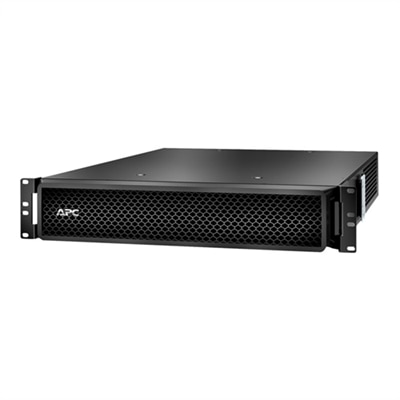
The right voltage step-down transformer can make an unfamiliar electrical environment easier to manage, whether the goal is powering a favorite appliance in a new home or creating a dependable setup for a laptop, monitor, charger and other personal electronics. It is helpful to organize the equipment before shopping: photograph each rating label, note whether the device accepts a range of input voltages, and identify which items must run together. Some modern laptop adapters, phone chargers and display power supplies are designed for broad input ranges such as 100V–240V and may only need a compatible plug adapter, while other electronics require a dedicated voltage conversion solution. Devices that include digital controls, heating elements or motors deserve especially careful attention to both voltage and frequency. A transformer can lower voltage, but it does not necessarily convert frequency, so the device and transformer specifications should agree with the electrical standards of the intended location. When power interruptions or brief voltage changes are also a concern, a separate 750VA UPS may be worth considering for compatible computer and electronics setups, provided its specifications match the connected equipment. During the warmer and cooler parts of the year, transformers may be used in guest rooms, home offices, creative spaces or travel bags, but safe placement remains essential in every season. Inspect cords and connectors for damage, keep liquids away from the unit, avoid exceeding its rated capacity, and disconnect equipment when it will be unattended for extended periods. Comparing voltage, wattage, frequency, connector style, safety features, portability and intended use makes it easier to select a transformer that fits the equipment and supports reliable everyday operation.
FAQs:
Voltage step down transformers are often needed for devices designed for a different regional voltage standard than your local supply. Common examples include kitchen appliances, monitors, desktop computers, audio equipment, gaming consoles, and certain accessories brought from abroad or purchased online from international retailers.
Yes, many voltage step down transformers feature multiple outlets, allowing you to power several compatible devices simultaneously. However, it’s important to ensure that the combined wattage of all connected devices does not exceed the transformer’s rated capacity.
There are compact and lightweight step down transformers specifically designed for travel, making them easy to pack and use with laptops, chargers, and small appliances in hotel rooms or remote workspaces. These portable models are ideal for digital nomads, business travelers, and students studying abroad.
Check the device’s label or user manual for voltage specifications. If your device is rated for 110V or 120V and you are in a region with 220V or 240V outlets, a step down transformer is necessary to safely operate the device.
Absolutely. Step down transformers are frequently used with sensitive electronics such as computers, monitors, and other accessories that require stable, lower voltage input. For additional protection and uninterrupted power, consider pairing your transformer with a reliable uninterruptible power supply.