1. Scalability
2. Performance
3. Security and Compliance
4. Integration and Compatibility
Choosing the right storage solution is essential for building an efficient, scalable, and secure data lake.
1. Scalability
2. Performance
3. Security and Compliance
4. Integration and Compatibility
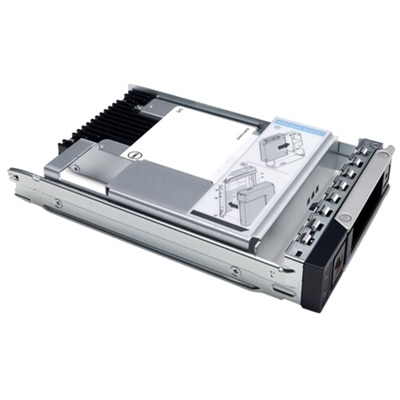
A 1.6TB SSD offering up to 24Gbps speed for efficient data storage and transfer.
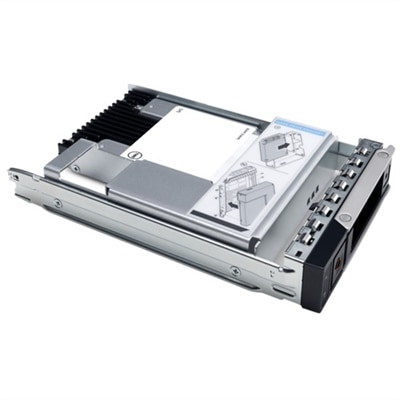
A 1.6TB SSD offering 12Gbps speed and 2.5-inch form factor for efficient data storage.
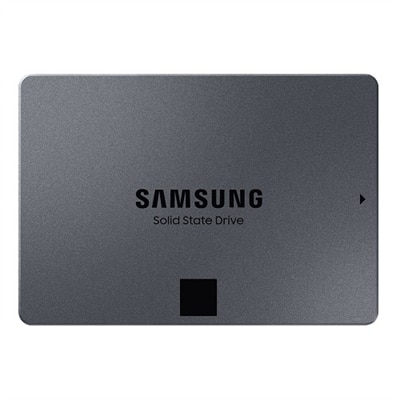
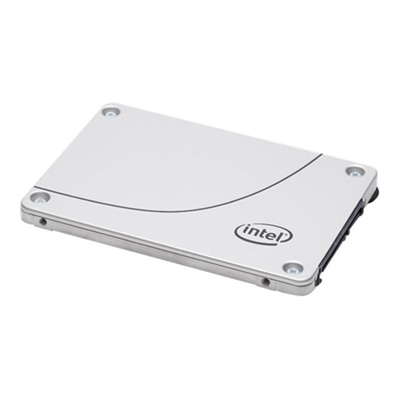
An 8TB SSD offering 560 MB/s read and 530 MB/s write speeds for enhanced PC performance.
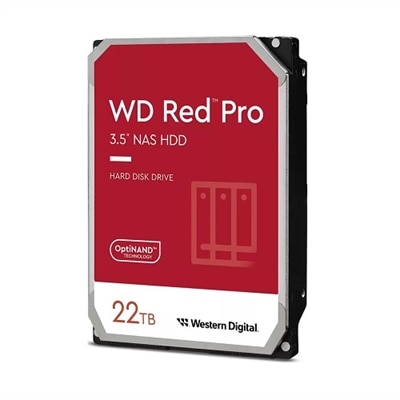
A high-capacity 22TB internal hard drive with 7200 rpm, 512MB buffer, and advanced NAS features.
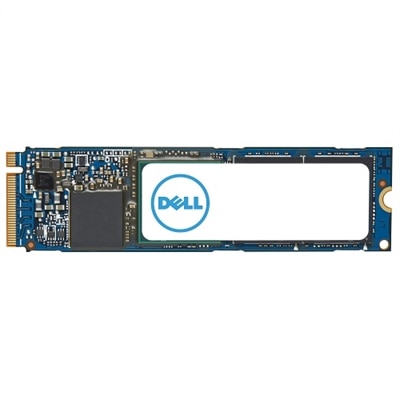
An M.2 PCIe NVME Gen 4x4 SSD offering 1TB storage and enhanced data transfer speeds.
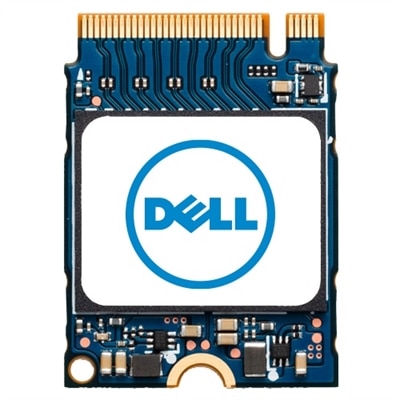
A compact M.2 2230 SSD offering 1TB storage capacity for efficient data management.
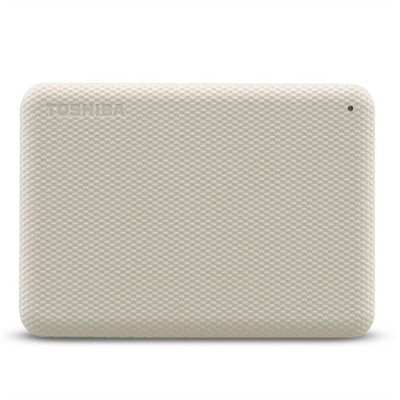
A stylish white 4TB portable hard drive with automatic backup and security software for data protection.
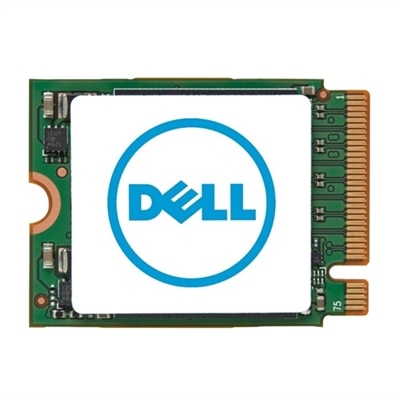
A high-capacity 2TB M.2 2230 SSD offering fast PCIe NVMe Gen 4x4 performance for data storage needs.
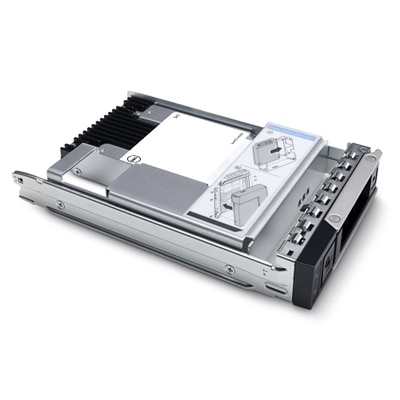
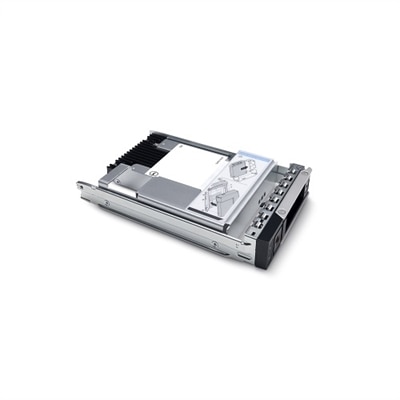
A 3.84TB SSD offering up to 24Gbps speed, ideal for read-intensive tasks with hybrid carrier.
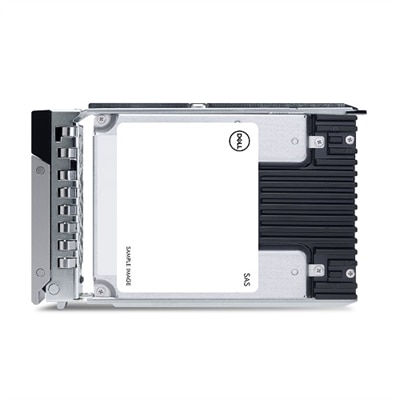
A 1.92TB read-intensive SSD with FIPS-140 encryption, 512e format, and 2.5-inch hot-plug design.
When choosing storage for data lakes, look for high scalability, robust data durability, seamless integration with analytics tools, and support for a wide range of data formats. Compatibility with cloud and on-premises environments is also important for flexible data management.
Storage types such as SSDs and HDDs impact data accessibility by influencing read/write speeds and latency. SSD-based storage typically offers faster data retrieval, which can enhance analytics performance in data lakes, while HDDs may be more suitable for archiving large volumes of infrequently accessed data.
Data lakes often grow rapidly as organizations collect more structured and unstructured data. Scalable storage allows you to expand capacity easily without disrupting operations, ensuring that your data lake can accommodate future growth and evolving business needs.
Yes, cloud-based storage is a popular choice for data lakes due to its flexibility, scalability, and ease of integration with analytics services. It allows organizations to manage large datasets efficiently and access data from anywhere with secure connectivity.
Redundancy ensures that your data remains accessible even if a hardware failure occurs. By storing copies of data across multiple drives or locations, redundancy helps protect against data loss and supports business continuity for critical analytics workloads.

Add the products you would like to compare, and quickly determine which is best for your needs.