$825.00
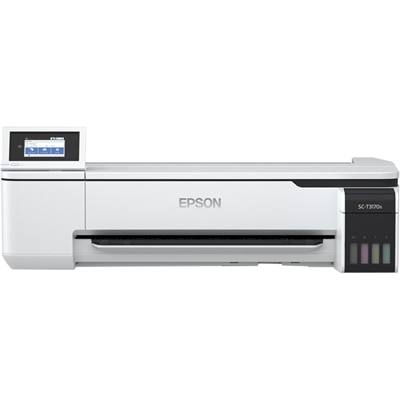
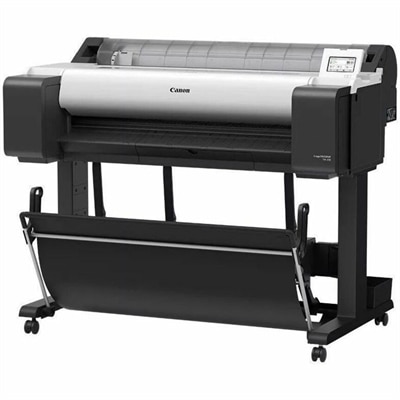
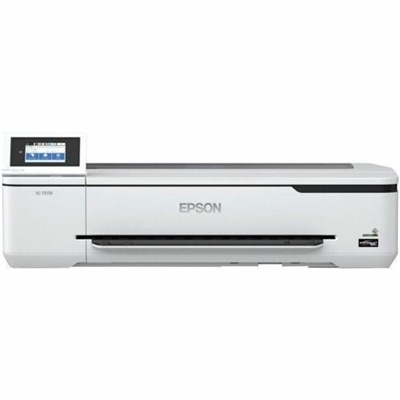
A compact wireless 24-inch inkjet printer producing durable, accurate A1 prints with pigment inks and touchscreen controls.
Wide format poster printers offer a versatile solution for creating vibrant, large-scale visuals ideal for presentations, signage, and creative projects. Perfect for offices, design studios, and educational environments, these printers are designed to handle a range of media sizes and types. With wide format poster printers, producing professional-quality graphics and eye-catching posters is simple and efficient, making them an essential addition to any workspace seeking impactful visual communication.
A compact wireless 24-inch inkjet printer producing durable, accurate A1 prints with pigment inks and touchscreen controls.
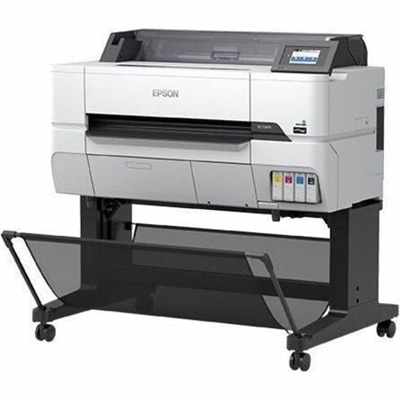
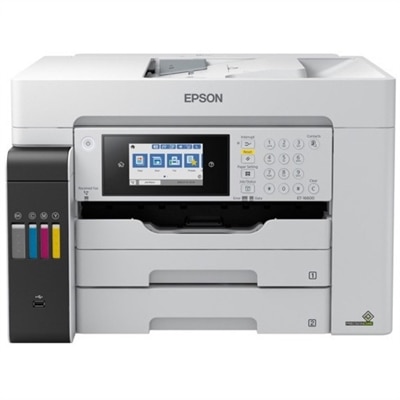
A wireless, cartridge-free wide-format color printer with refillable ink tanks, PrecisionCore printing and intuitive touchscreen controls.
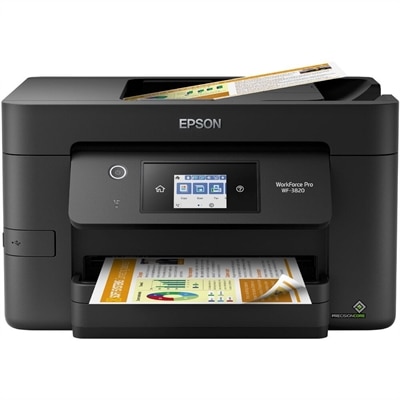
A productive wireless wide-format color inkjet printer delivering durable, vibrant prints with touchscreen control and advanced security.
Wide-format poster printers produce oversized graphics that extend beyond the page sizes handled by typical office printers. Built for large sheets, media rolls, or both, these printers turn digital artwork into classroom displays, photography enlargements, event posters, presentation boards, and business signage. The larger format gives a photograph room to reveal fine texture and allows a headline to remain readable across a lobby or meeting room. Common printer widths include 24 and 36 inches, with larger formats serving projects that need more expansive graphics. A printer’s stated width generally describes the maximum media width it accepts, not a guarantee of borderless printing at that size. Printable area, supported paper dimensions, and margin requirements depend on the model and media setting. For an 18-by-24-inch poster, for example, paper orientation and required margins determine whether the finished piece can print directly at its intended size or needs trimming afterward. Roll-fed printing accommodates different poster lengths without requiring a separate sheet size for each layout, while cut-sheet support suits projects built around familiar dimensions. Some machines combine both approaches, making it easier to move between a single illustrated announcement and a series of coordinated display graphics. Intended use matters as much as size: a school may need readable text and bright diagrams, a design studio may prioritize subtle color transitions, and a photographer may look for smooth skin tones and shadow detail. Architectural presentations can combine fine linework with rendered images, so the ability to reproduce both clearly is especially useful. The broader selection of Wide Format Printers covers related large-page printing needs, while poster-focused requirements center on image quality, media compatibility, and finished display dimensions. In everyday use, the right format brings the artwork, viewing distance, and physical setting into alignment, whether the final piece hangs beside a reception desk or anchors an exhibit wall.
Paper and ink shape a poster’s appearance just as strongly as the image file. Matte paper reduces reflections under overhead lighting and keeps text-heavy layouts comfortable to read, making it a practical choice for educational graphics, schedules, and informational displays. Glossy photo paper gives images a reflective finish that can emphasize contrast and color, although glare may obscure details when a poster faces a window or bright fixture. Satin and luster finishes offer a middle ground, with some sheen and less pronounced reflection than high-gloss surfaces. Heavier papers can feel more substantial during handling, but weight alone does not establish compatibility; media thickness, coating, stiffness, and the printer’s feed path also matter. Coated inkjet paper helps control how ink spreads, supporting cleaner edges and more consistent color than an unsuitable surface. Specialty materials such as canvas, adhesive-backed media, and printable films require explicit support from the printer and its ink system rather than simply fitting within the stated width. Ink technology also influences intended use. Dye-based inks can produce rich color and smooth photographic transitions, while pigment-based inks often offer stronger resistance to fading and moisture when paired with suitable media. Neither ink type makes every finished poster waterproof or appropriate for outdoor display. Sunlight, humidity, paper composition, protective finishing, and the manufacturer’s tested ratings all affect durability. A poster displayed indoors for a weekend event has different requirements from artwork expected to hang near daylight for several years. For photographic work, additional ink colors may improve tonal transitions and expand the range of reproducible colors, but ink count and resolution figures alone do not determine the result. A sharp source image, appropriate color settings, and a paper profile suited to the chosen media help preserve believable skin tones, neutral grays, and detail in dark areas. Small text and thin rules benefit from a clean original file; enlarging a low-resolution image can leave visible softness that a higher printer resolution cannot repair.
Physical fit and routine handling become important when a printer moves from occasional projects to regular production. Even a relatively compact wide-format printer needs room beyond its exterior dimensions for loading paper, opening covers, replacing ink, and retrieving output. A roll-fed unit may need clearance at the front or rear, and long prints need a clean receiving area so their leading edges do not drag across the floor. Desktop designs depend on a stable surface with an appropriate weight capacity, while floor-standing designs occupy dedicated space that should remain easy to access. In a classroom workroom, shared studio, or small office, the location of controls and the direction of paper loading can make daily tasks noticeably easier. Automatic cutters simplify separating prints from a roll, though supported material types and cutting limitations vary. Output baskets can help collect compatible prints, but delicate surfaces still benefit from careful handling. Production pace depends on more than an advertised print speed: quality settings, image coverage, media type, file processing, and drying time all influence how quickly a finished poster is ready to mount or frame. A draft layout for an internal presentation may not need the same settings as a detailed photographic display. Supported operating systems, connection options, drivers, and file-handling software determine how smoothly the printer works with existing laptops and desktops. For recurring projects, consistent page sizing and saved media settings can reduce misaligned layouts and unexpected cropping. Routine care typically includes following the manufacturer’s cleaning schedule, running nozzle checks when needed, and keeping dust away from paper-feed areas. Inkjet printers that sit unused for extended periods may require additional maintenance, so expected printing frequency belongs alongside width and image quality when comparing capabilities. Fresh prints need the recommended drying time before stacking, rolling, or adding protective finishes. Handling finished pieces by their edges helps prevent fingerprints and surface marks, especially on glossy media. With suitable materials and a manageable workflow, wide-format poster printing supports everything from a teacher’s illustrated learning wall to a photographer’s exhibition prints, keeping the final display closely connected to the original creative intent.
Add the products you would like to compare, and quickly determine which is best for your needs.