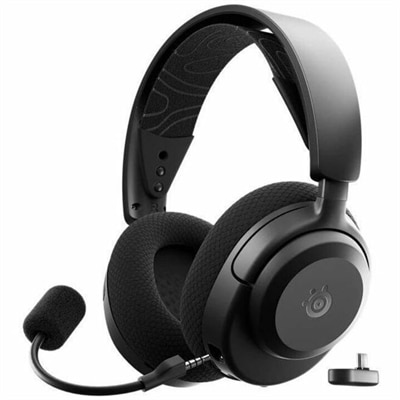
Wired PC Headsets
Experience crystal-clear communication and immersive audio with our selection of wired PC headsets. Perfect for gamers, remote workers, and anyone looking to enhance their audio experience, our range of headsets offers reliability and high-quality sound. Whether you're engaging in an intense gaming session or participating in a crucial virtual meeting, wired PC headsets ensure a seamless connection without the worry of battery life. Explore our diverse collection to find the perfect headset that meets your needs and elevates your digital interactions.
This product is not available
Check out the following recommendations.
Wired PC Headsets
Wired PC headsets combine headphones and a microphone in one connected accessory, keeping conversations, game audio, and everyday listening close at hand. A direct cable connection carries audio without wireless pairing, and most wired models handle their core listening and microphone functions without a rechargeable battery. That makes them a practical fit for a desktop workstation, a laptop used for remote work, or a gaming setup where the headset stays within reach between sessions. The two common connection types are 3.5mm analog and USB, with important differences in how they work. A 3.5mm headset relies on the computer’s audio hardware, while a USB headset typically includes its own audio circuitry and may support additional processing or software controls. Connector compatibility matters as much as the connection type: some computers have a single combined headphone and microphone jack, while others use separate ports and require a compatible splitter for a headset with one combined plug. USB-A and USB-C connections also need to match an appropriate port or compatible adapter. A wired connection avoids the added delay associated with wireless audio transmission, although software, processing, and the computer itself can still affect overall latency. For someone moving from a morning video meeting to an afternoon training session, that straightforward connection helps keep the routine simple. For a player listening for footsteps while talking with teammates, it supports closely timed sound and voice communication without monitoring a wireless battery level. Stereo playback is common, while some headsets offer virtual surround processing that depends on compatible software and settings. The effect varies by game and listener; clear separation and intelligible dialogue remain useful across many activities. Wired computer headsets also keep sound more contained than desktop speakers, especially in shared rooms, though leakage depends on the earcup design and listening volume. Their appeal extends beyond gaming to online coursework, language practice, voice chats, and calls where a dedicated microphone is more convenient than leaning toward a laptop.
Comfort becomes especially noticeable when a quick conversation turns into a full afternoon at the computer. Over-ear wired headsets surround the ears with cushions, while on-ear designs rest against them and can feel less bulky. Neither shape guarantees a better fit for everyone. Earcup depth, headband adjustment, overall weight, and clamping pressure all influence how a headset feels after an hour rather than just the first minute. Someone who wears glasses may notice pressure where the cushions meet the frames, and shallow earcups can allow the ears to touch the inner lining. Fabric-covered cushions often feel more breathable, while leatherette surfaces can be easier to wipe clean and may form a closer seal; both comfort and isolation depend on the particular construction. Foam padding distributes contact pressure, but softness alone does not determine long-session comfort. A balanced headset that stays in place without squeezing can feel less distracting during a lengthy meeting or an evening of cooperative play. Closed-back earcups generally help limit sound leakage and provide some passive isolation, although they do not make a busy room silent. Active noise cancellation, when included, is a separate feature from a noise-reducing microphone: one addresses sound reaching the listener, while the other aims to reduce unwanted background sound in outgoing speech. Microphone placement also makes a noticeable difference. A boom positioned near the corner of the mouth, rather than directly in the path of each breath, can improve clarity and reduce distracting bursts of air. Flexible, rotating, or detachable microphone designs accommodate different habits, with compatibility and adjustment options varying by headset. Physical mute and volume controls are useful when a delivery arrives during a call or a teammate suddenly becomes much louder than the game. An inline control module keeps adjustments on the cable, while earcup controls place them beside the ear. Clear voice reproduction matters for remote coworkers, students speaking during virtual lessons, and friends coordinating a match. For listening, balanced tuning can help dialogue remain distinct, while stronger bass may lend impact to game effects and music. Larger drivers alone do not guarantee better sound; tuning, fit, and the quality of the audio source also matter.
Durability in a wired PC headset involves more than a sturdy-looking headband. Adjustable joints, swiveling earcups, microphone hinges, and the points where the cable enters the headset all experience repeated movement. Reinforced strain relief can help protect those connection points, while replaceable ear cushions or a detachable cable may make it easier to address wear when compatible replacement parts are supported. Cable length deserves attention in an everyday setup: a cord that comfortably reaches a desktop beneath the desk may be excessive beside a laptop, while a short cable can tug whenever the wearer turns or reaches for a notebook. Routing the cord away from chair wheels, sharp desk edges, and frequently opened drawers helps prevent avoidable damage. Braided jackets and smooth cable coverings have different textures and handling characteristics, but neither should be pulled to disconnect the headset; holding the plug reduces stress on the cable. Routine care is usually straightforward when it follows the manufacturer’s directions. A soft cloth can remove surface dust, and cushions should be cleaned only with methods appropriate to their materials. Moisture should stay away from connectors, microphone openings, and the inside of the earcups. Allowing cleaned surfaces to dry fully, storing the cord in loose loops, and resting the headset where its cushions are not compressed help preserve its condition. These details matter for an accessory used daily, whether it belongs to a home-office worker, a college student attending online seminars, or a PC player who regularly joins friends after dinner. A wired headset can also be a useful gift for someone setting up a study space or refreshing a well-used gaming corner, provided its connector and fit suit the recipient’s equipment and preferences. For households that switch between a computer and a console, Gaming Headsets For XBOX And PC offers a related category to explore, with platform support still worth checking for each headset. A connector that fits does not always ensure every microphone, control, or processing feature works across devices. The most practical match brings together compatible connections, comfortable contact points, accessible controls, and sound suited to the activities that fill the day.
FAQs:
Wired PC headsets offer a stable, lag-free audio connection without the need for batteries or charging. This makes them ideal for long conference calls, gaming sessions, or study periods where uninterrupted sound quality and microphone clarity are essential.
Yes, most wired headsets are compatible with both desktops and laptops, often connecting through a standard 3.5mm audio jack or USB port. This versatility allows for seamless transitions between devices, whether you're working at your desk or on the move.
Absolutely. Wired headsets deliver consistent audio performance and clear communication, making them suitable for both professional environments and immersive gaming experiences. For specialized gaming needs, you can explore options like those found on the Gaming Headsets For XBOX And PC page.
Key features to consider include microphone quality, comfort and adjustability, noise isolation, and compatibility with your devices. Look for headsets with cushioned ear cups, adjustable headbands, and in-line controls for easy volume and mute adjustments.
A dell wired headset is a great choice for remote workers, students, gamers, and anyone who spends extended periods on calls or enjoying multimedia content. Its reliable connection and comfortable design make it suitable for a variety of everyday tasks and environments.