Wireless Microphones For Classrooms
Enhance classroom communication and engagement with wireless microphones for classrooms, designed to support clear audio in educational environments. These versatile solutions help teachers and students interact more effectively, ensuring every voice is heard. Explore a range of wireless microphones for classrooms that are easy to integrate into your existing setup, making lessons more dynamic and accessible for everyone. Find the right option to suit your classroom needs and create an interactive learning experience.
This product is not available
Check out the following recommendations.


Wireless Microphones For Classrooms
Wireless microphones for classrooms help carry a teacher’s voice across the room without requiring constant projection over the hum of ventilation, moving chairs, or small-group activity. Paired with a compatible speaker or classroom audio system, they can make spoken instructions easier to hear and may reduce the effort of speaking throughout the school day. Their purpose is clear, evenly distributed speech rather than simply higher volume: students near the back should be able to follow an explanation without those closest to a speaker hearing an overpowering voice. A typical wireless microphone system includes a microphone, a transmitter that sends its audio signal, and a receiver connected to an appropriate audio input. Some configurations combine several of these components, while others require separate amplification and speakers. That distinction matters in a classroom with only a laptop and monitor, where a microphone and receiver alone may not provide room-wide sound. Wireless classroom microphones support many familiar teaching moments, from a quiet read-aloud on the rug to a science demonstration where the instructor needs both hands free. They also give teachers more freedom to walk between desks, face a whiteboard, or help a student without remaining beside a fixed microphone. Handheld designs suit student presentations, visiting speakers, and discussions where participants take turns. Wearable microphones are better suited to continuous instruction, especially when teachers carry materials or move frequently. In larger instructional spaces, speech clarity depends on the whole setup, including speaker placement, room acoustics, microphone position, and background noise. Amplification cannot eliminate an echoing room or replace accommodations for students with hearing-related needs, but a thoughtfully matched system can support more consistent access to spoken instruction. For educators, tutors, trainers, and school staff, the practical benefit is a voice that follows the lesson, whether the teacher is at the front of the room or beside a project table.
Microphone style affects comfort, fit, and how naturally a system becomes part of the teaching routine. A headset keeps the microphone close to the mouth as the wearer turns or bends, helping maintain a consistent speaking level during active instruction. Lightweight construction, an adjustable frame, and comfortable contact points matter over several class periods, particularly for someone who also wears glasses. A clip-on lavalier microphone attaches to clothing and offers a less noticeable alternative, although its placement requires attention. Fabric brushing against the microphone, a necklace tapping its housing, or a clip secured to a loose scarf can create distracting noise. A stable position on an appropriate collar or lapel helps keep the microphone clear of moving fabric. Lanyard-style microphones offer another wearable option, with comfort influenced by weight, strap adjustment, and how much the unit moves while walking. Handheld microphones need a comfortable grip and a manageable size for the intended speakers; a shape that feels secure in an adult’s hand may be less practical for younger students. Across these formats, durable housings, sturdy clips, well-supported cable connections, and securely closing battery compartments help withstand regular classroom handling. Plastic housings can keep wearable components light, while metal construction may offer greater resistance to everyday knocks, depending on the design. Neither material alone determines durability, so the construction of hinges, charging contacts, and attachment points is also important. Removable windscreens can help soften breath noise and make routine upkeep easier when maintained according to the manufacturer’s directions. Shared microphones benefit from a consistent cleaning routine, with approved methods for the grille, housing, and any skin-contact surfaces. Spraying liquid directly into openings or soaking foam parts without checking care instructions can damage components. A designated storage space protects microphones from crushed clips, tangled headset cables, and accidental drops between lessons. Physical mute controls and easy-to-read status indicators are useful details, too: a teacher should be able to pause amplification during an individual conversation and confirm that the microphone is ready before addressing the class again.
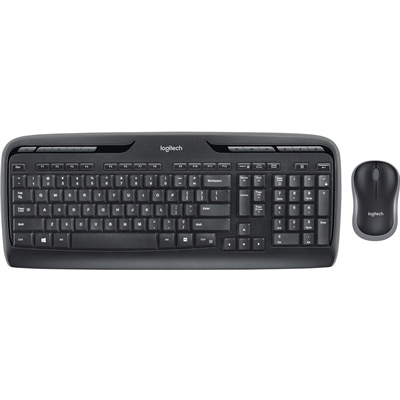
Compatibility and daily runtime shape how well wireless microphones fit an existing classroom. A receiver may connect through USB, a 3.5 mm connection, a 6.3 mm connection, or another audio interface, but matching connector shapes is only part of the requirement. The receiver’s output must suit the destination’s input type and signal level, and some combinations need an adapter, mixer, or interface. A passive speaker requires amplification, while a powered speaker includes its own amplifier. For virtual lessons or recorded demonstrations, the computer must recognize the microphone’s audio input, and the teaching application must be configured to use it. A microphone that works through room speakers does not automatically send sound to a video meeting. Wireless keyboards can complement this arrangement by letting teachers control on-screen materials from a convenient position; Logitech Wireless Keyboards for Teachers provides a related category for classroom computer accessories. Connection technology also affects placement and movement. Radio-frequency systems have operating ranges that vary with walls, interference, and room conditions, while infrared systems generally need an unobstructed signal path to their sensors and typically remain contained within the room. In neighboring classrooms using multiple systems, channel coordination and interference management deserve attention. Advertised wireless range is not a promise of identical performance in every building. Battery endurance should cover the actual teaching schedule, including setup and transitions; a rated runtime of at least eight hours can be a useful starting point for a full school day, although real performance varies with use and battery condition. Rechargeable designs, accessible charging ports, battery indicators, and convenient charging docks can simplify the end-of-day routine. For classes that pass a microphone between speakers or use a teacher microphone alongside a student microphone, the receiver must support the required number of simultaneous channels. Finally, sensible volume and speaker positioning help limit feedback, especially when the instructor moves around the room. Together, these details support a classroom audio setup that feels unobtrusive during instruction and remains practical through repeated daily use.
FAQs:
Wireless microphones provide educators and students with greater mobility, allowing teachers to move freely around the classroom while maintaining clear audio. They also help ensure that every student can hear instructions and presentations, regardless of where they are seated, which is especially beneficial in larger or acoustically challenging spaces.
Many wireless microphone systems are designed to be compatible with a variety of classroom audio equipment, such as speakers, amplifiers, and interactive whiteboards. Before purchasing, it's helpful to check the connectivity options and ensure the microphone system can be easily integrated with your current setup.
Wireless microphones are valuable for teachers, guest speakers, students giving presentations, and even for use during school events like assemblies or performances. They are also particularly helpful for educators working with students who have hearing impairments, as they can be paired with assistive listening devices.
Yes, many wireless microphones are versatile enough for both indoor and outdoor use, making them ideal for classroom instruction as well as events like field days, assemblies, or outdoor performances. It’s important to consider the range and durability of the system for outdoor applications.
Wireless microphones facilitate group discussions and interactive activities by ensuring that every participant’s voice is heard clearly. This encourages more active participation, supports group work, and fosters a more inclusive environment where students feel comfortable sharing ideas.