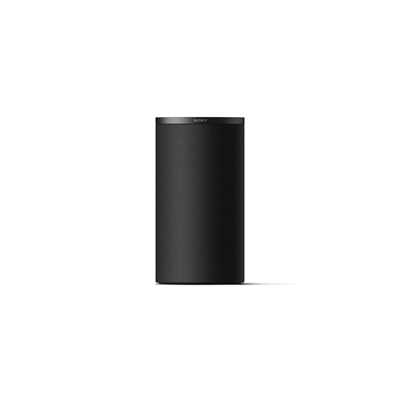
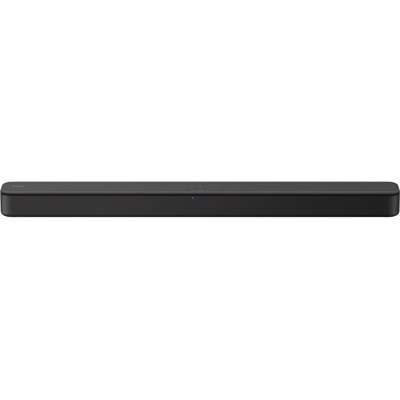
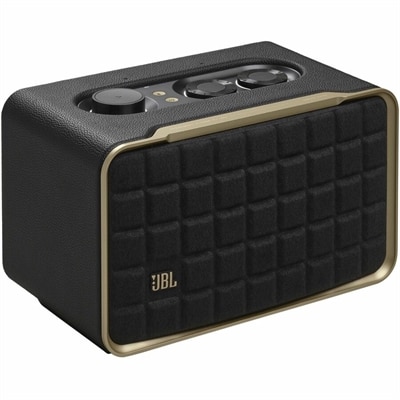
Wireless Surround Speakers
Elevate your home entertainment experience with wireless surround speakers designed to deliver immersive audio without the hassle of tangled cords. Perfect for creating a cinematic atmosphere in any room, wireless surround speakers offer flexible placement options and a clean setup. Discover a range of innovative solutions that seamlessly integrate into your space, enhancing movies, music, and gaming with rich, dynamic sound. Find the ideal wireless surround speakers to complement your system and enjoy powerful performance with effortless convenience.
This product is not available
Check out the following recommendations.
Wireless Surround Speakers
Wireless surround speakers are home audio speakers that receive sound wirelessly from a compatible soundbar, receiver, or hub, helping create an immersive listening experience without long audio cables running from the front of the room to the back. Positioned beside or behind the seating area, they reproduce surround channels that give movie soundtracks, television programs, and supported games a sense of space and direction. Rain can seem to fall around the couch, footsteps can approach from off-screen, and a stadium crowd can stretch beyond the edges of the picture. Unlike a single speaker playing everything from one location, a surround setup distributes different parts of the soundtrack across speakers placed throughout the room. The distinction matters when shopping: a speaker with wireless music streaming is not necessarily capable of working as a dedicated rear surround speaker. Many wireless surround speakers use a proprietary radio connection or a compatible Wi-Fi system to receive synchronized audio, while Bluetooth support may be intended only for music playback. Compatibility with the main audio unit is essential, and speakers from different product families are not automatically interchangeable. Wireless also describes the audio connection, not necessarily the power supply. Most models need a nearby wall outlet, some connect by short cables to a separate wireless receiver, and certain designs use rechargeable batteries. That makes the space around your couch just as important as the space around your television. In a living room with outlets beside the end tables, powered rear speakers may fit neatly into the existing layout. In an apartment with a walkway behind the sofa, rechargeable options may offer more placement flexibility, provided their operating time and charging requirements suit your routine. The practical benefit is less cable routing across the room, not a guarantee of a completely cord-free setup. Checking the connection type, power requirements, and included components helps distinguish a straightforward addition to an existing system from a purchase that requires other equipment.
The right wireless surround speakers depend on the system you already own, the size and shape of your room, and how you prefer to listen. Some products are add-on rear speakers for a specific compatible soundbar; others come in a complete package with front speakers and a subwoofer. A matched package can simplify a first home theater purchase, while compatible add-on speakers can expand an existing setup without replacing its central components. Channel descriptions provide useful context, but they deserve a closer look. In a conventional 5.1-channel system, five main audio channels are accompanied by a low-frequency effects channel, typically handled by a subwoofer. A designation such as 5.1.2 adds two height channels, although the way a system reproduces those channels varies. Physical surround speakers, upward-firing drivers, and virtual processing do different jobs, so a larger channel number alone does not establish how convincing the sound will be in your room. For systems designed to add a vertical dimension to supported soundtracks, Dolby Atmos Wireless Speakers offer another category to consider, with results depending on compatible equipment, content, and placement. Upward-firing drivers generally work best with a relatively flat, reflective ceiling; vaulted ceilings and highly absorbent surfaces can change the effect. Room size matters, too. Compact surround speakers may be sufficient around a closely arranged seating area, while a large, open living space can call for greater output capability and more flexible level adjustments. Look beyond maximum loudness to the ability to reproduce quiet background details without sounding strained when the soundtrack becomes busy. If your system provides room calibration, individual speaker level controls, or listening-distance adjustments, those features can help balance speakers that cannot sit at equal distances from the couch. Also verify the main system’s television connections, supported audio formats, and any required adapters. Rear speakers cannot compensate for a missing connection or an incompatible audio source, and seemingly small compatibility details can determine whether installation takes a few minutes or requires additional purchases.
Everyday usability often makes the biggest difference after the initial excitement of a more enveloping soundtrack. Consider a familiar evening scene: the room is dim, the opening credits have started, and someone has settled into the corner seat with a blanket. Well-balanced surround speakers should draw that person into the setting without making the speaker nearest their ear dominate every effect. Placement at the height and angle recommended for the system, with some breathing room around the cabinets, helps preserve that balance. Shelves, wall mounts, and speaker stands each offer different advantages, but check the speaker dimensions, mounting provisions, stand stability, and access to power before choosing a location. A cabinet tucked behind a tall cushion or deep inside a bookcase may look discreet while losing some of the clarity that made it worth buying. For households with children or pets, secure placement and carefully routed power cords are practical priorities. Wireless reliability is another consideration, especially where the main unit and rear speakers are separated by thick walls, metal furniture, or crowded radio traffic. Follow the manufacturer’s placement recommendations rather than assuming every wireless connection will behave the same way. For movie enthusiasts, these speakers can make a familiar thriller or concert recording feel more spacious and involving. For gamers, compatible multichannel audio can add directional cues and a stronger sense of the surrounding environment, although results depend on the game and playback settings. Music listeners may enjoy supported multichannel recordings or system-specific listening modes, but ordinary stereo recordings do not automatically contain discrete rear-channel information. As a gift, wireless surround speakers are particularly thoughtful for someone who already enjoys a compatible home theater system; confirming the exact supported models beforehand is more useful than guessing from appearance. Apartment residents and late-night viewers may also appreciate systems with night modes or dynamic range controls, which can reduce the gap between quiet passages and sudden peaks. The most satisfying choice fits the room, works with the equipment already in place, and adds atmosphere without turning everyday listening into a project.
FAQs:
Wireless surround speakers offer greater flexibility in placement, making it easier to create an immersive audio experience without running cables across your room. They also simplify setup and allow for a cleaner, more organized entertainment space, while still delivering high-quality sound for movies, music, and gaming.
Yes, many wireless surround speaker systems are designed to connect with a variety of devices, such as TVs, gaming consoles, smartphones, and tablets. Some systems support Bluetooth, Wi-Fi, or proprietary wireless connections, making it easy to switch between different sources for a seamless audio experience.
Most wireless surround speakers connect to a central hub, soundbar, or compatible receiver using wireless technologies like Bluetooth or Wi-Fi. Once paired, they synchronize audio playback across all speakers, providing a cohesive surround sound environment without the need for physical audio cables between each speaker.
For home theater applications, look for features such as support for advanced audio formats like Dolby Atmos, compatibility with voice assistants, customizable sound profiles, and app-based controls. These features enhance the overall listening experience and make it easier to tailor audio settings to your preferences.
Wireless surround speakers make a great gift for movie enthusiasts, music lovers, gamers, or anyone looking to upgrade their home audio system. They are especially appreciated by those who value convenience, modern design, and the ability to enjoy immersive sound without the hassle of complex wiring.