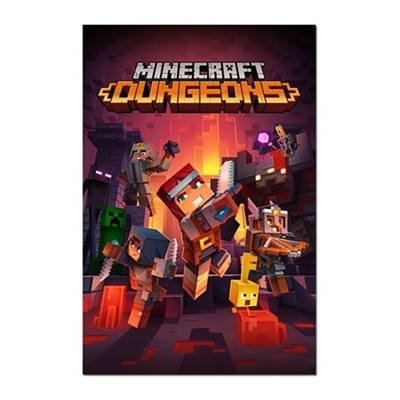
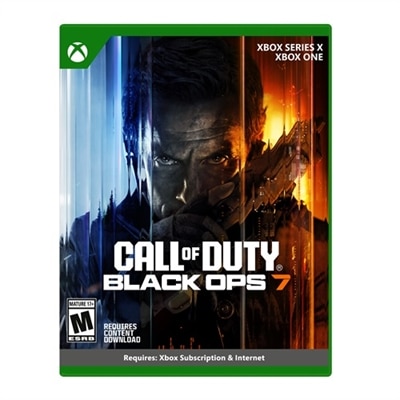
Xbox One Multiplayer Games
Experience the thrill of competitive and cooperative gaming with Xbox One multiplayer games. Whether you're teaming up with friends to conquer epic quests or challenging players from around the globe in intense battles, Xbox One offers a diverse range of multiplayer experiences that cater to every type of gamer. Dive into immersive worlds, enjoy seamless gameplay, and connect with a vibrant community of players. Discover the excitement and endless possibilities that come with Xbox One multiplayer games today.
This product is not available
Check out the following recommendations.




Xbox One Multiplayer Games
Multiplayer games bring a social dimension to console play, whether two people are sharing a couch or a group of friends is meeting online after a busy day. Cooperative games give players a common objective, such as solving a puzzle, completing a campaign, defending a position, or exploring unfamiliar territory together. Competitive games put individual skill or team coordination at the center of the experience, with formats ranging from short races and sports matches to tactical battles that reward practice. The strongest fit depends on the kind of interaction a group enjoys: steady collaboration, friendly rivalry, open-ended exploration, or quick rounds with plenty of laughter between turns. For a pair of regular gaming partners, a dedicated two-player adventure can make communication part of the action, with one person operating a mechanism while the other crosses an obstacle. Larger groups may prefer cooperative missions with distinct roles, letting one teammate protect the group while another handles objectives or supports the rest of the squad. Party-style games create a different rhythm, often using simple controls and short challenges that make it easier for newcomers to participate without learning a complicated system. Local multiplayer means participants play on the same console, while online multiplayer connects players through the internet, typically using separate systems. Split-screen divides a shared display into individual viewpoints; shared-screen play keeps everyone within the same view. These distinctions matter for everyday use because a game described as multiplayer does not necessarily support every way of playing together. A household planning a living-room game night needs different features from friends connecting from separate homes. Supported player counts can also vary by mode, so a larger competitive lobby does not automatically mean a campaign accommodates the same number of people. Clear mode descriptions, age ratings, and platform compatibility provide a more useful picture of a game’s suitability than the multiplayer label alone, especially when choosing something for a mixed-experience group.
Genre shapes both the pace of multiplayer sessions and the skills players bring to them. Cooperative action games often emphasize timing, positioning, and shared resources, creating moments when a well-timed assist matters as much as accurate aim. Team-based shooters can reward clear callouts and complementary roles, while competitive arena formats may favor quick reactions and familiarity with maps. Racing and sports games offer recognizable objectives and a natural match-by-match structure, making them useful for evenings when participants want a defined stopping point. Puzzle adventures slow the tempo and encourage conversation, with progress built around noticing details, testing ideas, and coordinating movements rather than simply reacting faster. Exploration-focused games leave more room for wandering, collecting resources, and choosing a shared destination, although individual sessions may be less predictable in length. Role-playing games add character development, equipment choices, and abilities that can make a regular group feel increasingly coordinated over time. For players drawn to spellcasting, imagined worlds, and adventures built around complementary character roles, Xbox One Multiplayer Fantasy Games offers a more focused theme. Across genres, the balance between cooperation and competition deserves attention. Some games keep the group working toward the same goal throughout, while others combine teamwork with encounters against rival players. A relaxed exploration session can feel very different when other participants are able to interrupt progress. Difficulty options, tutorials, adjustable controls, and assist settings can help accommodate differences in experience when those features are supported. Readable subtitles, distinct visual cues, and alternatives to rapid button presses may also influence comfort and accessibility. For a household with younger players, content descriptors and communication settings matter alongside the age rating; cartoon-like artwork alone does not establish suitability. As a gift, a multiplayer game is most useful when it matches the recipient’s preferred genres, console, and usual gaming companions. Someone who mainly plays beside a sibling may value local cooperation more than a large online community, while a friend with an established remote group may care most about compatible modes and shared progression.
The practical details of multiplayer play affect how comfortably a game fits into a home and a routine. Physical and digital formats require different handling, but either format can involve installation, updates, and additional downloadable content. A physical disc should be handled by its edges, returned to its case after use, and kept away from heat, moisture, and abrasive surfaces; if cleaning is needed, a soft, lint-free cloth wiped gently from the center outward helps protect the reading surface. Digital purchases are associated with account and licensing conditions, making access arrangements important when several people use the same console. For either format, the stated platform, edition contents, and mode requirements should match the intended setup. Backward compatibility and cross-platform play are separate features, and neither should be assumed simply because a game appears on multiple systems. Online modes may require an eligible console subscription, an internet connection, and additional accounts, depending on the title. They also depend on continuing online service support. Local modes can have their own requirements, including separate controllers or individual player profiles. For shared-screen and split-screen sessions, display size and seating distance influence how easily each participant can read menus, follow movement, and spot important cues. Controllers should feel comfortable in the hands during longer sessions, with accessible buttons and a secure grip rather than a shape that forces awkward stretching. Headsets can support remote teamwork, though microphone controls and a comfortable fit become especially important when several people are talking at once. A stable connection helps online matches run consistently, while a wired connection can reduce some sources of wireless interference without eliminating every cause of lag. Session structure matters just as much as equipment: brief rounds suit a spare half hour, whereas checkpoint-based campaigns and longer missions work better when everyone can stay involved. Features such as private lobbies, invitations, drop-in participation, and saved cooperative progress can make organizing a group easier when supported. Together, these details distinguish a game that simply includes multiplayer from one that suits the people, space, and time available for playing together.
FAQs:
Xbox One multiplayer games offer a variety of modes, including online co-op, local split-screen, competitive head-to-head matches, and large-scale team battles. Some titles also support cross-platform play, allowing you to connect with friends on other devices.
Yes, many Xbox One multiplayer games support both online and local multiplayer, so you can play with friends or family in the same room or connect with others online. This flexibility makes it easy to enjoy gaming sessions no matter where your friends are.
Several Xbox One multiplayer games feature cross-platform compatibility, allowing you to play with friends on different consoles or even PC. This feature helps expand your gaming community and makes it easier to connect with others.
Playing multiplayer games on Xbox One can help build teamwork, improve communication skills, and create lasting memories with friends and family. These games are also a great way to stay connected with others and enjoy friendly competition or cooperative challenges.
Yes, there is a wide range of multiplayer games on Xbox One designed for different age groups and preferences. From family-friendly party games to more intense action titles, there’s something for everyone to enjoy together.