tl;dr: Mitch Chaiet transforms storytelling into interactive, tech-driven experiences using AI, robotics, and immersive environments. His studio thrives on parallel workflows powered by Dell Pro Max workstations and NVIDIA RTX PRO GPUs, enabling real-time iteration across multiple GPU-heavy applications. Chaiet’s journey—from film editing to coding and CAD—shows how resourcefulness and adaptability fuel innovation. His advice? Start scrappy, but invest in tools that keep pace with your ambition.
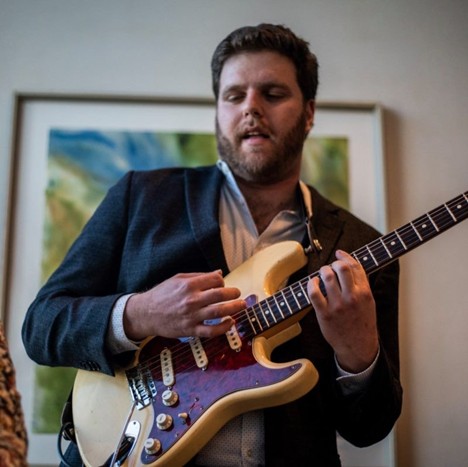
Mitch Chaiet is the founder of Experiential Technologies, a studio that blends art, AI, and responsive environments. His work ranges from immersive live installations to projects that use AI to age influencers. He focuses on finding ways to merge creative visions with technology.
When he studied film, he focused on storytelling, cutting scenes, mixing sound, and shaping stories for the screen. But creative curiosity pulled him beyond the editing suite. He started composing music, tinkering with code, and reprogramming cameras. Every new tool changed the way he approached his process. He used to think of storytelling as a sequence of frames, but over time, his approach became something physical that people could step into.
He was soon faced with a challenge. What do you do when creative ambition outpaces available tools? For artists integrating technology into their process, the workflow is often fractured. Valuable time gets lost jumping between applications, exporting files and waiting on renders. Momentum stalls; ideas gradually diminish to fit within technical limitations, and the kind of rapid experimentation that drives breakthroughs evaporates.
When creators like Chaiet work with AI, robotics, and immersive environments, fragmentation is even more pronounced. His projects require multiple heavyweight applications running side by side, a demand that most systems can’t meet.
Creative freedom through parallel power
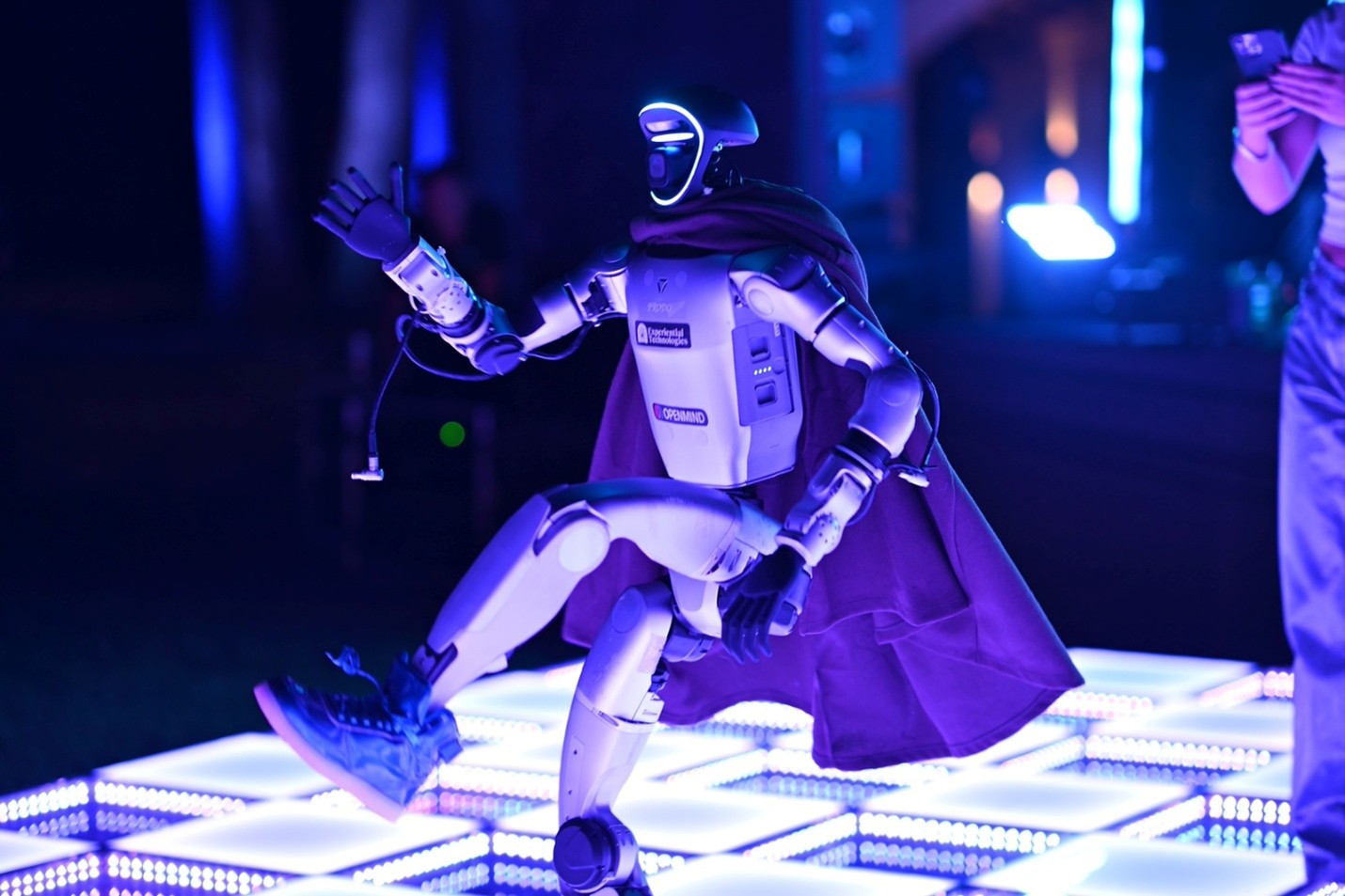
Chaiet uses entertainment and tech collaborations to turn creative concepts into tech-driven prototypes. For a recent activation, he equipped a Unitree G1 humanoid robot with speech and vision using OpenMind’s OM1 and simulated its movements using NVIDIA IsaacSim before deploying the bot at an IRL party.
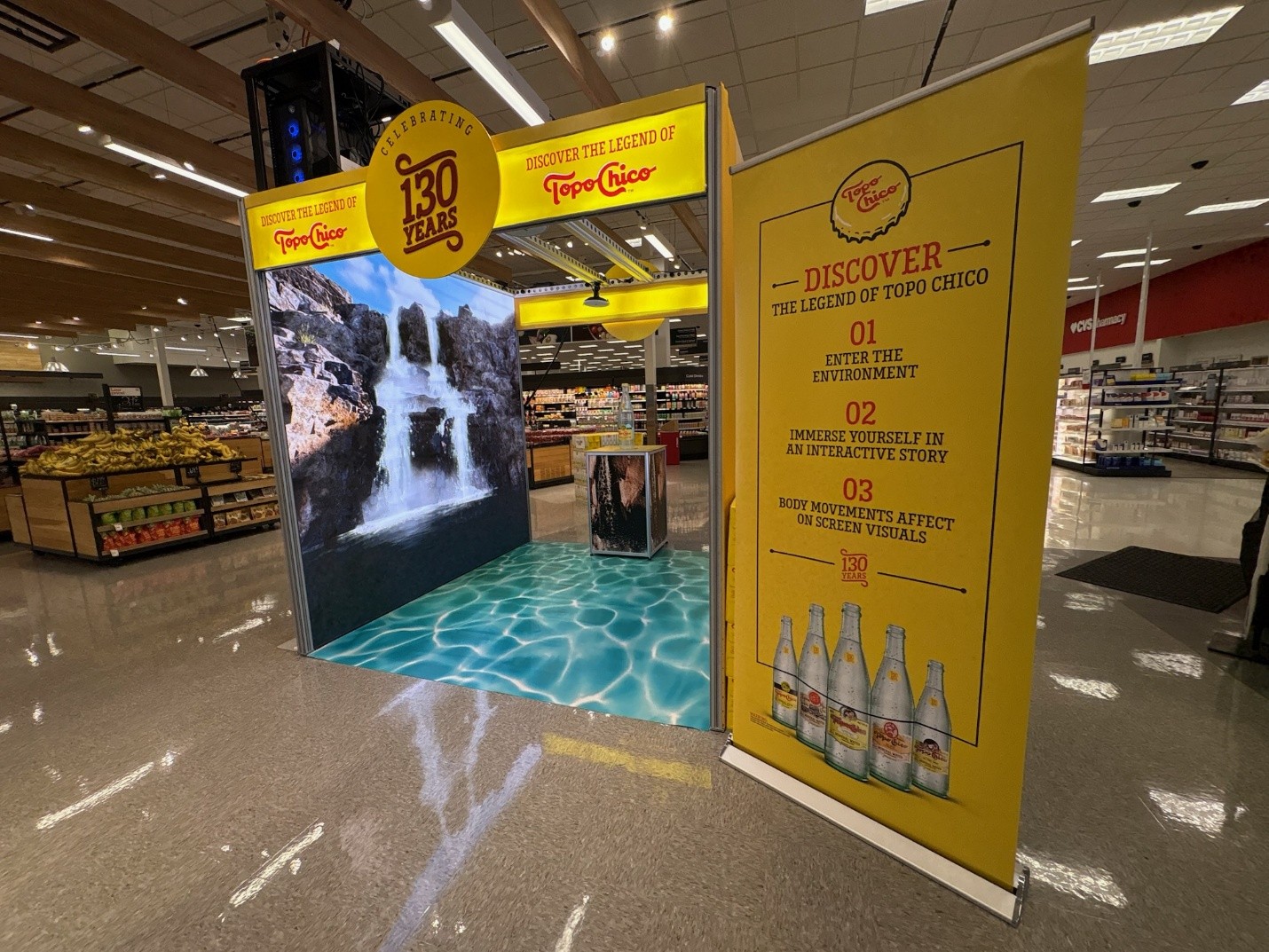
For Topo Chico and Array of Stars, Chaiet integrated Stereolabs’ ZED depth cameras, TouchDesigner, and Unreal Engine 5 to create a responsive environment where people fling virtual water with their bodies. He combines mediums, including the public, to transcend limitations that go beyond what people often associate with divisions between what’s physical and digital.
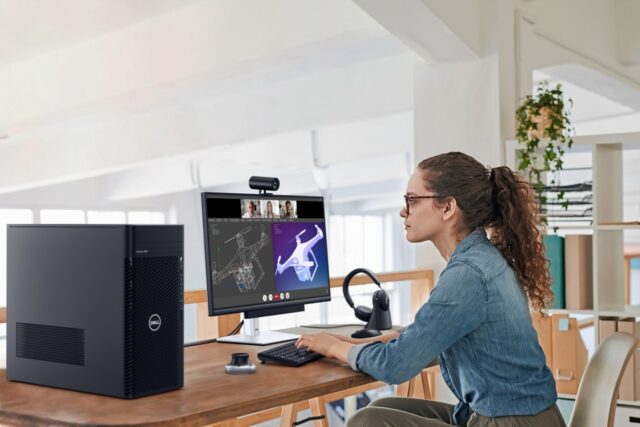
Chaiet’s projects rely on multiple GPU-intensive applications. Before upgrading his setup, he needed to run programs individually. He might model in Isaac Sim, export, load into TouchDesigner, export again, then import into Unreal or Fusion360. Now, he can run everything side by side.
“I’ve just come off a month of CAD and 3D printing. Next, I’ll switch to a project with Unreal Engine and TouchDesigner. My tools need to run at the same time as my local LLM,” Chaiet said. His parallel workflow became possible when he moved to a Dell Pro Max workstation powered by Dell Pro Max workstation. He can test, tweak, and create without waiting or crashing. The new infrastructure saves time and keeps ideas alive while they’re fresh. Chaiet can experiment without frustration and says it makes the entire creative process fun again.
Advice for aspiring creators
Chaiet encourages new creators to embrace scrappy beginnings. Starting with used gear, older software, and workarounds helped him build resourcefulness and technical fluency that now power his studio’s more advanced projects. These early limitations were creative challenges that shaped his skills and strengthened his adaptability.
However, as creative ambitions grow, so does the need for tools that can keep up. Professional workstations, like the Dell Pro Max portfolio, have made new workflows possible. Running multiple heavyweight applications side by side opened doors to real-time iteration and experimentation that had previously been out of reach.
“I’d rather have too many GPUs than not enough,” he says. His current work wouldn’t be possible without the professional infrastructure that NVIDIA RTX PRO GPUs provide. But he wouldn’t be where he is if he had waited for perfect conditions. Every earlier project helped build the skills that power his work today.
Reimagining real-time storytelling
From live installations to responsive robotics, Mitch Chaiet pushes the boundaries of what’s possible when creativity and compute collide. With the power of Dell Pro Max workstations and NVIDIA RTX PRO GPUs, his studio transforms stories into immersive, real-time experiences, blurring the lines between digital and physical worlds. Immerse yourself and learn more about Mitch Chaiet’s innovative studio.
