$7841.00
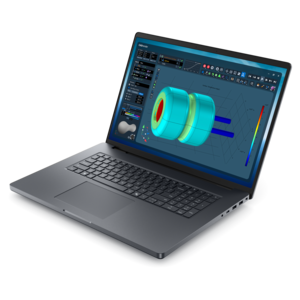
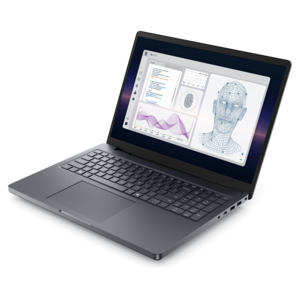
A powerful professional laptop delivering productivity, scalability, ease of use, and advanced on-device AI.
Explore graphics workstations for design, 3D modeling, and other visually demanding tasks. Compare processor capabilities, graphics performance, and memory capacity to choose a system that fits your software requirements and the complexity of your projects.
A powerful professional laptop delivering productivity, scalability, ease of use, and advanced on-device AI.
A powerful productivity laptop with scalable performance and advanced on-device AI capabilities.
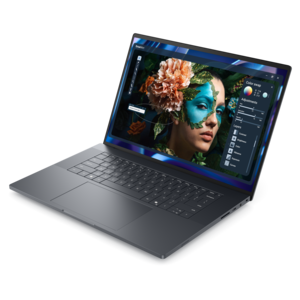
A sleek, lightweight professional laptop with Intel Core Ultra processors, NVIDIA graphics, and advanced on-device AI.
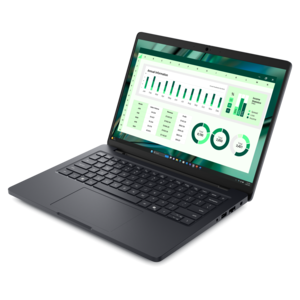
A portable professional laptop designed for demanding office, design, and creative applications.
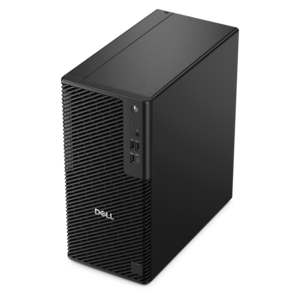
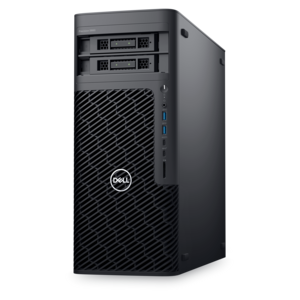
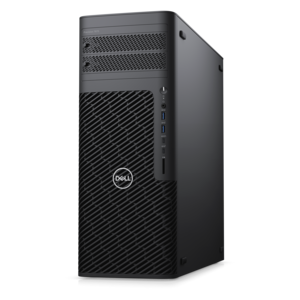
A reliable workstation desktop delivering excellent performance with professional graphics for demanding productivity and creative workloads.
A workstation with Xeon processing, dual 300W graphics, 56TB storage, 2TB memory, and Windows 11 Pro.
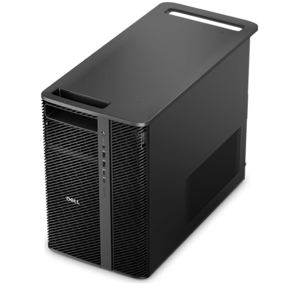
A scalable tower workstation with professional graphics and up to a 56-core Intel Xeon processor.
A dense, powerful rack-ready desktop engineered to optimize demanding computing environments.
A high-performance desktop powered by the NVIDIA Grace Blackwell Ultra Desktop Superchip with MaxCool technology.
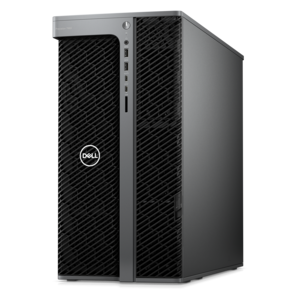
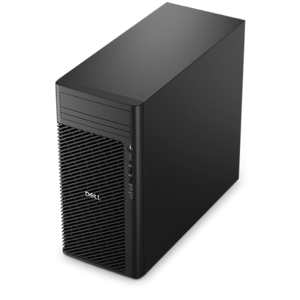
A scalable tower workstation delivering reliable, outstanding performance for demanding multi-threaded applications.
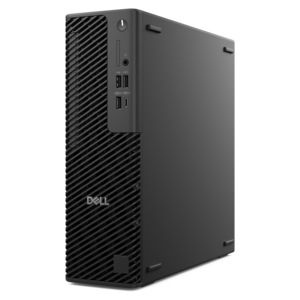
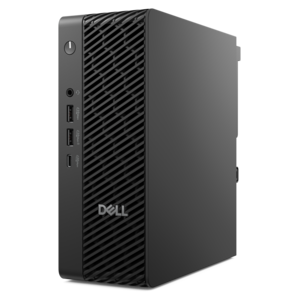
A slim desktop delivering exceptionally fast CPU and GPU performance for demanding professional workloads.
A high-performance desktop combining Intel Xeon 6 processors and advanced graphics for demanding professional workloads.
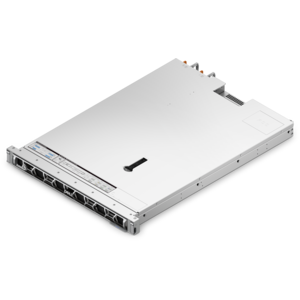
A scalable, secure rack workstation engineered to power demanding professional applications.
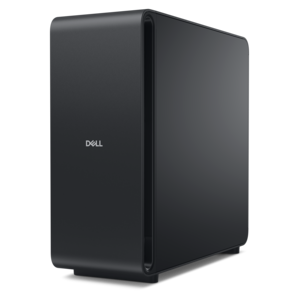
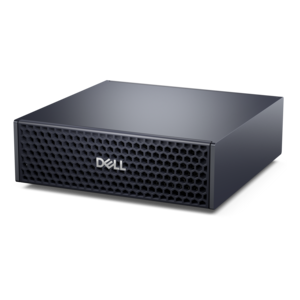
A compact AI accelerator delivering powerful local inferencing, AI development, and versatile edge performance.
A scalable, high-performance workstation designed to handle critical professional tasks and evolving workloads.
A graphics workstation is a high-performance desktop or laptop designed for demanding visual and computational work, including computer-aided design (CAD), 3D modeling, animation, video editing, and rendering. These computers bring processing power, graphics capability, and memory together to support projects that can overwhelm a general-purpose computer. An architect moving through a detailed building model, an animator adjusting a character’s movement, and an editor assembling high-resolution footage all place different demands on the same underlying hardware. The processor handles calculations, application logic, and many background tasks, while the graphics processing unit, or GPU, accelerates supported visual workloads. A capable GPU can make navigating complex scenes more responsive and shorten certain rendering tasks, but its benefit depends on how the application uses it. Graphics memory, also called video memory or VRAM, holds resources such as textures and scene data for the GPU; larger, more detailed projects can require more of it. System memory serves a separate purpose, helping applications work with large files and keeping several creative tools running together. A balanced configuration matters more than a single impressive specification. A powerful graphics processor cannot fully compensate for insufficient memory, and a processor with many cores may not speed up tasks that rely primarily on one or a few cores. In practical terms, a workstation for detailed technical drawings may need a different balance than one used for layered motion graphics or photorealistic interiors. Ray-traced rendering, which simulates the behavior of light to create realistic reflections and shadows, can be particularly demanding. Some graphics workstations also support local AI development and AI-assisted creative features, although compatibility depends on the GPU, available memory, software, and development tools. The defining consideration is how well the complete system supports the actual project, from the first sketch or rough cut through revisions and final output. That includes everyday responsiveness, not just the time needed to finish a render: selecting tiny components in an assembly or scrubbing through a busy timeline should feel controlled enough to keep attention on the work.
Desktop and mobile graphics workstations suit different spaces and working habits. A desktop workstation can offer room for larger cooling systems and, depending on its design, more accessible component upgrades. It fits naturally into a dedicated studio, engineering office, or home workspace where the computer stays connected to a monitor and other peripherals. A mobile workstation brings professional computing capability into a portable format for client presentations, classroom projects, location work, or collaboration across different offices. Portability involves more than the weight of the computer itself: the power adapter, protective case, and any connected accessories also become part of the daily carry. Sustained performance, battery runtime, fan noise, and chassis temperature vary with the workload and operating mode, especially during long renders or complex simulations. Metal and reinforced composite housings may contribute to rigidity, but construction quality, hinge design, and careful handling also affect durability. For a laptop, a stable screen hinge and comfortable keyboard can matter throughout a full day of drawing reviews and revisions. For a desktop, physical fit includes clearance around ventilation openings, access to ports, and enough space to route cables without crowding the work surface. Connection requirements deserve the same attention as internal specifications. Multiple displays, a pen tablet, an external camera, and other creative tools may compete for ports, while some display connections have limits on supported resolution and refresh rate. Expansion options also vary by chassis and configuration, so future changes should be considered in relation to the system’s documented capabilities. Routine care helps preserve the working environment: keeping vents unobstructed, removing exterior dust according to manufacturer instructions, and cleaning screens with appropriate materials can support reliable everyday use. Drinks, loose cables, and a soft surface that blocks a laptop’s ventilation can turn an otherwise capable setup into an uncomfortable one. A workstation should fit the room and the routine as thoughtfully as it fits the application, whether that means a quiet editing corner or a desk used for frequent design reviews.
The display and software environment complete the graphics workstation experience. Fine lines in a technical drawing, subtle gradients in a photograph, and small controls in an editing interface all benefit from a screen with suitable resolution, size, and scaling. Higher resolution creates room for detail, but text and interface elements still need to remain comfortable to read at the normal viewing distance. Color-sensitive work introduces additional considerations, including the display’s supported color gamut, calibration, and the requirements of the intended output. A screen used for print preparation may have different priorities from one used to create video for digital distribution, and consistent lighting around the desk helps make visual judgments more dependable. An adjustable monitor or stand can also make it easier to position the screen for long sessions without forcing an awkward posture. Professionals exploring Workstations for Design often need this combination of visual clarity, dependable application behavior, and comfortable interaction rather than computing power alone. Software compatibility is especially important in professional settings. Certain workstation configurations and graphics drivers are tested or certified for particular applications; that status applies to the specified hardware and software combination, not automatically to every workstation. Application developers’ hardware recommendations provide useful context for processor requirements, graphics support, and memory needs. Keeping supported drivers and applications current can help maintain compatibility, while production teams may prefer a tested update schedule to avoid disrupting active projects. These considerations matter to independent illustrators, engineering teams, filmmakers, architecture students, and educators working with increasingly detailed digital material. A student building a portfolio may move between illustration, modeling, and short video projects, while a professional visualization artist may spend most of the day inside a single demanding application. Both benefit from a system matched to their recurring tasks, with enough flexibility for larger files and more ambitious work. The result is a workspace where reviewing detail, testing an idea, and making the next revision remain the focus.
Add the products you would like to compare, and quickly determine which is best for your needs.