$24.51
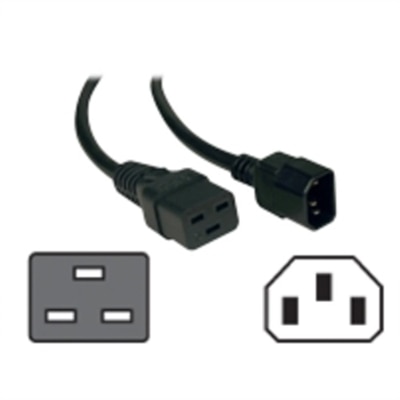
A heavy-duty 6 ft. black power cord with 14 AWG copper conductors and fully molded ends.
14 gauge extension cords offer a reliable solution for powering devices and equipment in various settings, from home offices to workshops. Designed to handle a range of electrical needs, these extension cords provide the flexibility to extend reach where outlets may be limited. Whether tackling everyday tasks or managing larger projects, 14 gauge extension cords help ensure that your devices stay connected and powered up efficiently. Explore options that suit your space and power requirements, making it easier to keep your electronics and appliances running smoothly.
A heavy-duty 6 ft. black power cord with 14 AWG copper conductors and fully molded ends.
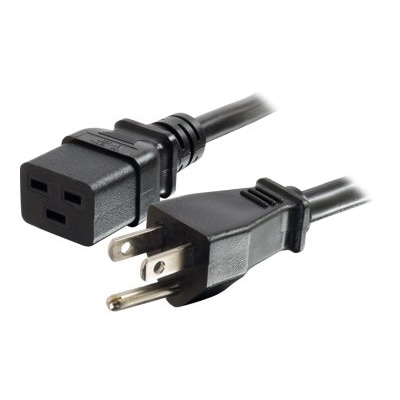
A durable, fully molded 6ft power cable with 14AWG conductors, supporting up to 125 volts.
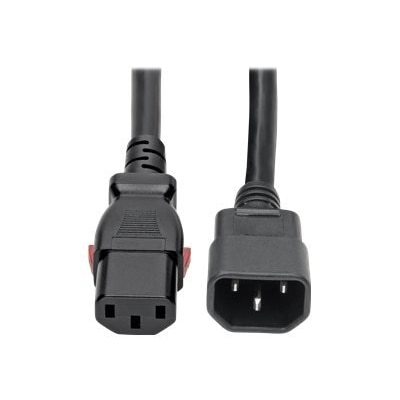
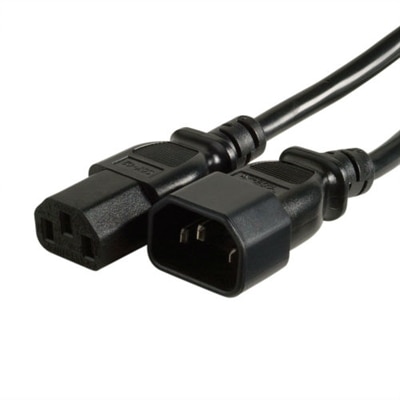
A heavy-duty black power cord with locking C13 to C14 connectors, ideal for secure server connections.
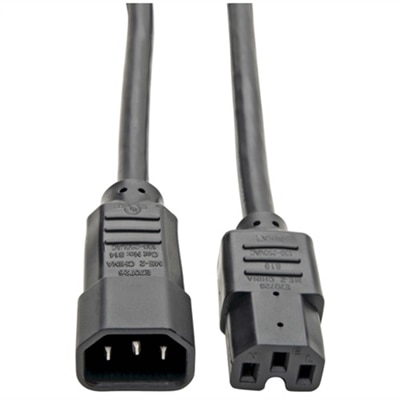
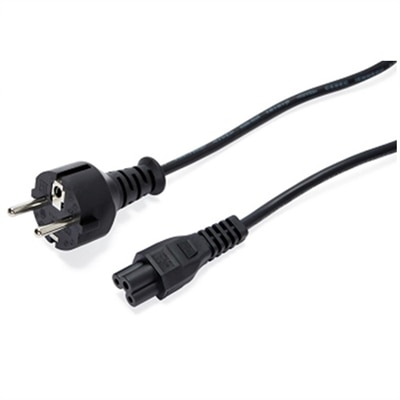
A heavy-duty 10 ft black power cord with C14 to C15 connectors, supporting 250V and 15A.
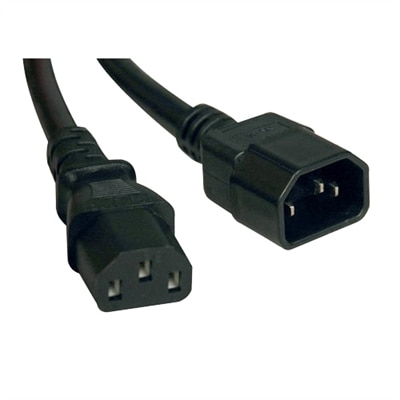
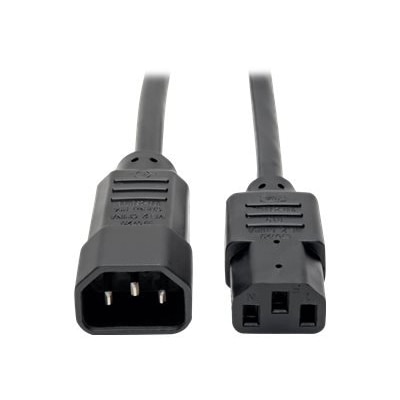
A heavy-duty black power cord with C13 to C14 connectors, 15A rating, and 14 AWG conductors.
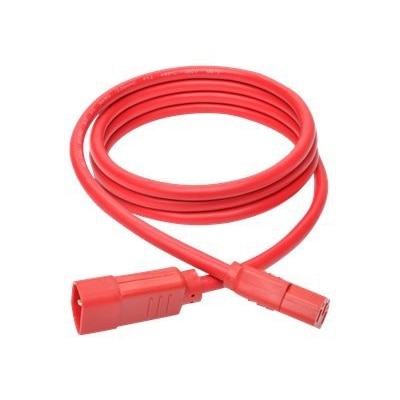
A heavy-duty 6 ft red power cord with C13 to C14 connectors, supporting 15A and 250V.
A durable 10ft black extension cable with 14 AWG for flexible power connections to various devices.
A heavy-duty black power extension cord with molded connectors and a 15A, 250V rating.
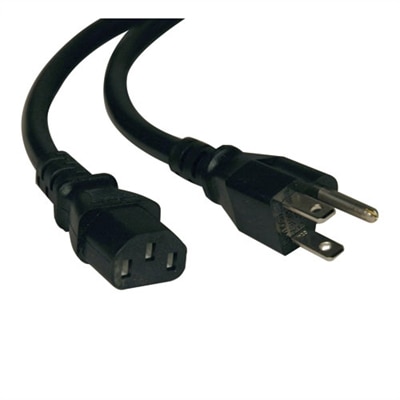
A heavy-duty 10 ft black power cord with 15A/125V rating and C13 to 5-15P connectors.
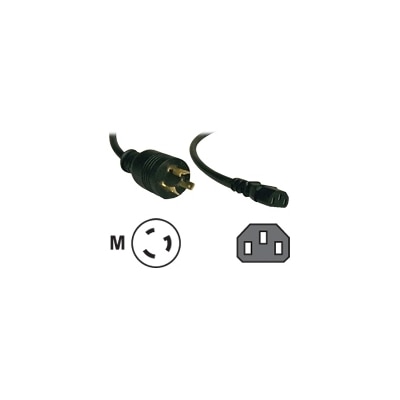
A heavy-duty black power cord with a locking NEMA L6-20P plug for high-power network devices.
14 gauge extension cords, also labeled 14 AWG, offer a practical balance of capacity, flexibility, and everyday convenience for home offices, workshops, garages, entertainment areas, and light outdoor tasks. The wire is thicker than the wire used in many lighter-duty cords, making this size a dependable choice for equipment that needs more power without moving up to a heavier, less flexible cable. Many 14 gauge extension cords are rated for up to 15 amps, 125 volts, and 1,875 watts when used within the cord’s stated length and conditions, although the label on each cord should always be the final authority. A shorter cord is often the best choice when the outlet and equipment are close together because it helps limit voltage drop and keeps extra cable from becoming a tripping hazard. Longer versions can be useful across a garage, studio, patio, or work area, but capacity may be reduced over greater distances; some 100-foot cords, for example, are rated closer to 13 amps. Before choosing a cord, check the power requirements printed on the equipment and compare them with the cord’s amperage, voltage, wattage, length, and certification markings. A 14 gauge extension cord can be well suited to computers, monitors, televisions, gaming setups, chargers, office equipment, work lights, small drills, sanders, and other moderate-power devices. It may also support select outdoor tools, such as electric trimmers, leaf blowers, or lawn equipment, when the cord has a jacket specifically rated for outdoor use. Indoor and outdoor cords are not interchangeable: an outdoor-rated jacket is designed to better withstand moisture, sunlight, abrasion, and changing temperatures, while an indoor cord is intended for dry, protected spaces. If you are assembling a practical housewarming gift, preparing a workshop for a new hobby, or helping someone organize a home office, a properly selected extension cord can be a useful addition that is easy to store and reach for when an outlet is just out of range.
Safe use starts with matching the cord to the job rather than relying on gauge alone. Look for a grounded three-prong design when the connected equipment requires grounding, and confirm that the plug and receptacle are compatible with the device. Outdoor work should be performed with an outdoor-rated cord connected to a ground-fault circuit interrupter, commonly called a GFCI, and every connection should be kept away from standing water, damp soil, snow, sprinklers, and other sources of moisture. Lay the cable where it will not be pinched beneath furniture, caught in a door, crossed by vehicles, or exposed to sharp edges. Uncoil the cord completely before powering a higher-draw tool; leaving it tightly wound can trap heat and damage the insulation. Avoid connecting extension cords end to end or using one cord to power a multi-outlet adapter unless the manufacturer specifically permits that arrangement, since extra connections can increase resistance and create a potential overheating point. A 14 gauge cord is not the right choice for every load. Large air compressors, heavy table saws, high-powered heaters, and other equipment with demanding startup or continuous power requirements may call for a 12 gauge cord or a dedicated circuit, while equipment rated for 20 amps should not be connected to a typical 15-amp extension cord. Inspect the jacket, plug, and receptacle before each use, and replace a cord showing cuts, exposed wire, melted areas, loose prongs, crushed sections, or signs of overheating rather than attempting a temporary repair. When the weather warms, these cords can help bring power to a shaded work area, patio entertainment setup, or outdoor maintenance project; during cooler months, they can keep a work light, monitor, or small tool within reach in a garage or indoor workspace. For equipment that uses a different connector or electrical specification, browse 10A 250V Power Cords to compare another cord category. Store extension cords loosely coiled in a dry location, away from direct sunlight and excessive heat, so they remain flexible and ready for the next task.
Add the products you would like to compare, and quickly determine which is best for your needs.