UL Approved Extension Cords
UL approved extension cords offer peace of mind for powering devices in homes, offices, and workspaces. Designed to meet rigorous safety standards, these extension cords are ideal for a variety of everyday needs, delivering reliable performance wherever extra reach is required. Explore a wide selection of UL approved extension cords to find the right solution for your electronics and appliances, ensuring dependable connectivity and enhanced safety for every setup.
This product is not available
Check out the following recommendations.


UL Approved Extension Cords
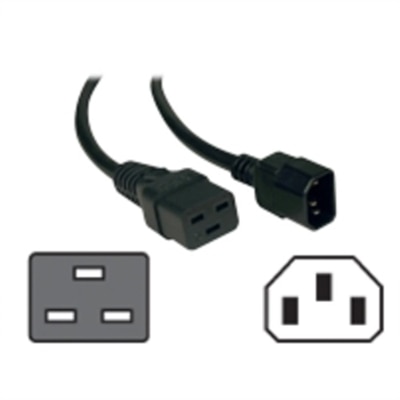
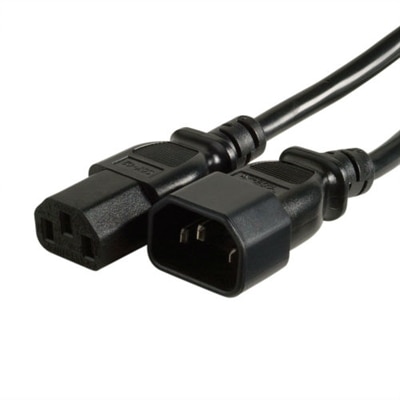
UL Approved Extension Cords offer a practical way to bring power to lamps, small appliances, tools, electronics and other everyday equipment when a wall outlet is out of reach. The UL mark indicates that the cord has been evaluated by an independent safety organization for factors such as electrical performance, insulation, heat resistance and protection against fire and shock hazards. Look for a clear, properly printed UL mark on the cord, plug or packaging, along with the applicable ratings and identification information. A genuine listing mark is more than a decorative label: it helps indicate that the cord was manufactured and tested according to recognized safety requirements. Because markings can vary by cord type, checking the product details and packaging is an important part of confirming that the cord is appropriate for your intended use. These cords can be useful in a home office where a desk lamp or monitor needs a little more reach, in a workshop where a handheld tool must operate several feet from the wall, or in a living area where furniture placement makes the nearest receptacle inconvenient. They can also be helpful during cooler months when lighting, seasonal displays and portable household equipment are used in different parts of the home. For equipment that needs a different connection or electrical specification, browse compatible options such as 10A 250V Power Cords while matching the cord to the device’s requirements.
Selecting the right extension cord starts with the equipment, the distance and the environment. Check the device label for its voltage, amperage or wattage, then choose a cord rated to handle that load without running near its maximum capacity whenever possible. Wire gauge matters: a lower gauge number generally indicates thicker conductors that can carry more current over a given distance, while a longer cord may experience more voltage drop than a shorter one. Light-duty cords may suit lamps, chargers and other low-power indoor electronics, while medium- or heavy-duty cords are better suited to tools, appliances and equipment with higher electrical demands. A three-prong grounded cord is designed for devices that use a grounding connection, and its plug should never be altered to fit a two-slot receptacle. For outdoor tasks, select a cord specifically marked for outdoor use, with a jacket designed to resist moisture, abrasion and changing temperatures. Outdoor-rated does not mean the cord should be left in standing water, buried, run through a doorway that can pinch it or exposed to prolonged weather when it is not in use. A right-angle plug can be useful behind furniture or near a wall, and a lighted end can make it easier to see when power is reaching the cord in a dim workshop or garage. Length deserves equal attention. A cord that is too short may be stretched across a walkway, while excess length can become a coil that traps heat or creates a tripping hazard. Choose enough reach for a relaxed path, then route the cord along a wall or another low-traffic area whenever practical.
Safe use continues after the cord leaves its package. Before plugging in, inspect the jacket, plug blades and receptacles for cuts, flattened sections, loose parts, discoloration or exposed wire. Replace a cord that feels unusually hot, smells like burning plastic or shows signs of melting; do not cover damage with tape and continue using it. Keep connections dry, allow air to circulate around the cord and avoid placing it beneath rugs, bedding or heavy furniture, where heat and pressure can build. Never connect extension cords to one another or use one as a permanent substitute for installed wiring. Plugging several high-demand appliances into the same cord or power strip can overload the circuit, even when each item appears to operate normally. Motors, heaters, air conditioners and power tools may draw more current when starting, so their electrical requirements deserve particular attention. Secure cords without staples or fasteners that could pierce the insulation, and unplug them by holding the plug rather than pulling the cable. Store unused cords loosely in a dry place instead of wrapping them tightly around an object. With the correct gauge, length, rating and intended-use designation, a UL Approved Extension Cord can provide dependable reach for household projects, work areas and everyday electronics while helping keep the space orderly through changing seasons.
FAQs:
While some UL listed extension cords are designed specifically for indoor use, others are built for outdoor environments and are marked with weather-resistant ratings such as SJTW. Always check the cord’s intended use and labeling to ensure it matches your needs.
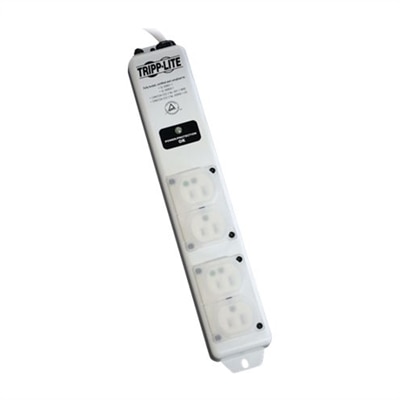
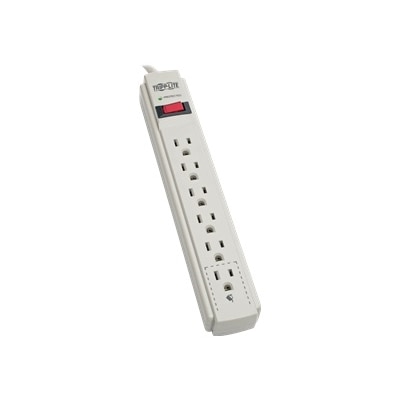
Yes, many UL listed extension cords feature multiple outlets, allowing you to power several devices simultaneously. These are especially useful for home offices, entertainment centers, or workshop setups where multiple electronics or tools are in use.
Some extension cords are designed with flat plugs, rotating heads, or clear insulation, making them easy to tuck behind furniture or blend with décor. These features are particularly helpful for maintaining a clean look in living rooms, bedrooms, or offices.
Absolutely. UL listed extension cords are compatible with a wide range of electronics, including smart home devices, computers, monitors, and peripherals. Just ensure the cord’s power rating matches the combined requirements of your devices.
Yes, you can find EV charger extension cords that are UL certified. These cords are designed to handle the higher power demands of electric vehicle charging and are built for durability and reliability in various conditions.