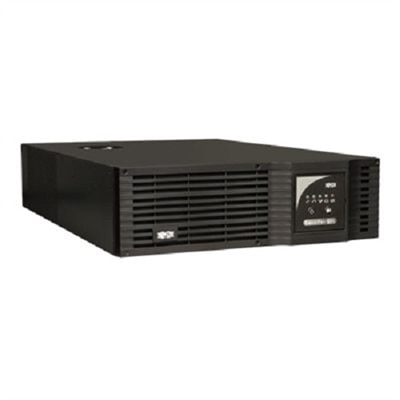
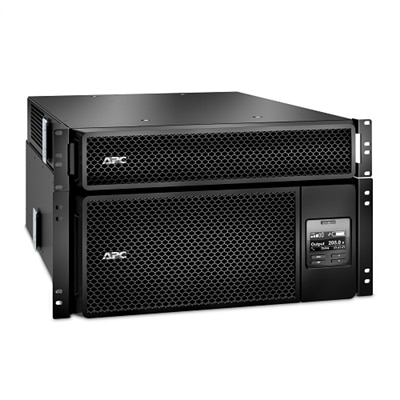
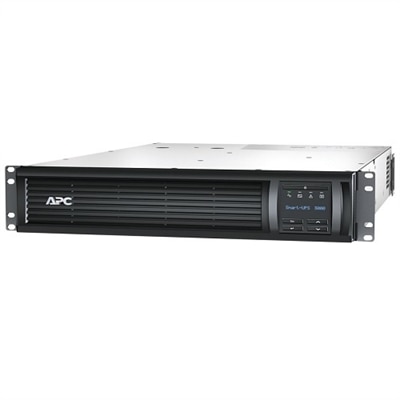
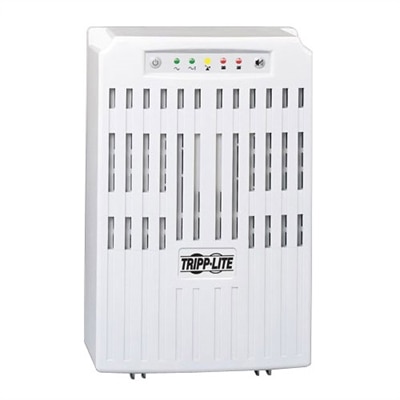
20kVA UPS
Power continuity is essential for businesses and organizations that rely on critical systems, making a 20kVA UPS an ideal solution for safeguarding operations against unexpected outages. Designed to provide reliable backup power, these units help maintain productivity and protect valuable equipment during interruptions. Explore a range of 20kVA UPS options to find the right fit for your power management needs, ensuring peace of mind and seamless performance in demanding environments.
This product is not available
Check out the following recommendations.



20kVA UPS
A 20kVA UPS is a high-capacity uninterruptible power supply designed to help maintain clean, consistent electrical power for multiple connected devices and critical business equipment. With a nominal capacity of 20 kilovolt-amperes, these systems commonly support approximately 16kW to 20kW of usable power, depending on the unit’s power factor rating. They are typically selected for professional work environments with several high-performance desktop computers, monitors, production workstations, medical or laboratory electronics, automated systems, and other equipment that cannot simply shut down when utility power becomes unstable. Unlike a basic battery backup intended for a single computer, a 20kVA UPS is generally a substantial three-phase system that can help protect a larger electrical load from outages, voltage dips, surges, electrical noise, and other power disturbances. Many models use true online, double-conversion technology, which continuously converts incoming power to a stable form and then recreates a clean pure sine wave output. This design can provide essentially zero transfer time when utility power fails, helping connected equipment continue operating without the brief interruption that may affect less advanced backup systems. When comparing options, begin with a careful load assessment rather than choosing solely by the 20kVA label. Add the wattage of every device that may be connected, including computers, displays, accessories, control equipment, and future additions, then leave reasonable headroom for startup demand and expansion. The power factor matters because two systems with the same kVA rating may deliver different amounts of real power in watts. Also confirm that the UPS output matches the requirements of the equipment being protected. Common configurations include 208/120VAC or 400/230VAC three-phase power, with variations in wiring and grounding arrangements. Facility voltage, phase configuration, frequency, available circuit capacity, and installation location should all be verified before purchase. A 20kVA UPS is not usually connected through a standard household wall outlet; most installations require hardwired input and output circuits, appropriate disconnects, and work performed by a qualified electrician. Reviewing local electrical and fire-safety requirements is equally important, particularly where an emergency power-off connection, fire suppression integration, or dedicated electrical room is involved. The cabinet’s physical dimensions, weight, ventilation requirements, sound level, and service clearances deserve attention as well. A unit that fits the electrical plan but cannot be moved through a doorway or adequately cooled may create practical problems during installation. For buyers comparing a smaller capacity range, a 6kVA UPS may be a better match for a lighter load, a compact professional workspace, or a smaller group of connected devices.
Runtime is another central purchase consideration. A UPS may keep equipment operating for only a short interval with its standard battery configuration, which can be enough to ride through brief disturbances or complete an orderly shutdown. If equipment must remain available through a longer interruption, look for support for external battery cabinets or scalable battery modules. Estimate runtime using the actual expected load rather than the maximum rating, since battery duration changes as the connected load rises. It is also useful to consider battery replacement access, monitoring features, alarms, automatic shutdown software, remote status reporting, and the availability of maintenance support. An internal or external maintenance bypass can allow qualified personnel to service the UPS while the protected load remains supplied through an alternate path, but staff should understand the procedure before an emergency occurs. Documentation, training, inspection schedules, and battery testing are part of dependable operation; a UPS is not a set-it-and-forget-it appliance. Organizations often choose a 20kVA system for a business area with several shared workstations, a technical room supporting essential operations, a healthcare or research setting, a retail back office, or an industrial control environment where even a short interruption could corrupt work, interrupt a process, or require time-consuming recovery. It can also be useful in offices that rely on high-performance desktops and multiple monitors for design, engineering, video production, financial analysis, or other demanding tasks. Before finalizing a purchase, map each connection, identify which loads are truly critical, and separate equipment that can shut down safely from equipment that needs continuous power. Confirm compatibility with the building’s electrical service and ask a licensed professional to review the installation plan. Consider whether the UPS will be placed near people, whether its operating noise is acceptable, and how batteries will be handled at the end of their service life. Seasonal changes can bring storms, utility fluctuations, and shifting demands on local power systems, making continuity planning especially valuable during both warmer and cooler periods. A properly sized 20kVA UPS can provide a calm margin of protection when lights flicker, a storm passes nearby, or a utility interruption affects the building, giving people time to save work, complete controlled shutdowns, or keep essential equipment operating until another power source is available.
FAQs:
A 20kVA UPS can support a wide range of devices, including multiple desktop computers, high-end workstations, monitors, network equipment, and other essential electronics commonly found in offices, classrooms, and creative studios. It is designed to handle the power needs of environments with substantial equipment loads, ensuring continuous operation during power interruptions.
Organizations with mission-critical operations, such as businesses, educational institutions, healthcare facilities, and creative professionals, benefit most from a 20kVA UPS. It provides reliable backup power and protection for essential devices, minimizing downtime and preventing data loss during outages.
Yes, a 20kVA UPS is designed for flexible installation and can be integrated into various office environments. Depending on your space and infrastructure, these systems are available in rack-mounted or tower configurations, making them adaptable to different layouts and equipment setups.
Common features to consider include remote management capabilities, high efficiency ratings, extended battery runtime options, and compatibility with monitoring software. These features help ensure the UPS meets your operational needs and provides comprehensive protection for your equipment.
Seasonal changes, particularly during winter months, can increase the risk of power outages and voltage fluctuations due to storms and higher energy demands. A 20kVA UPS helps maintain uninterrupted power for your devices, protecting your work and equipment from unexpected disruptions.