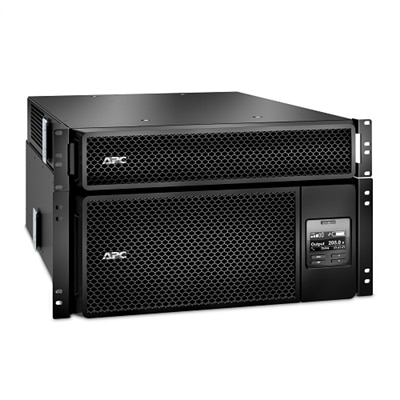
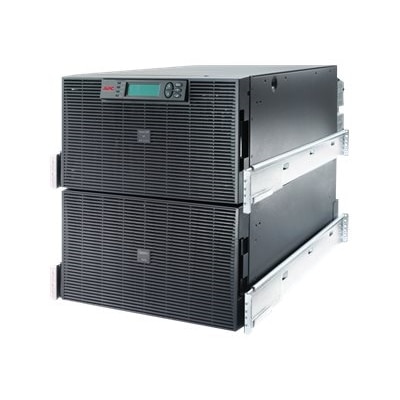
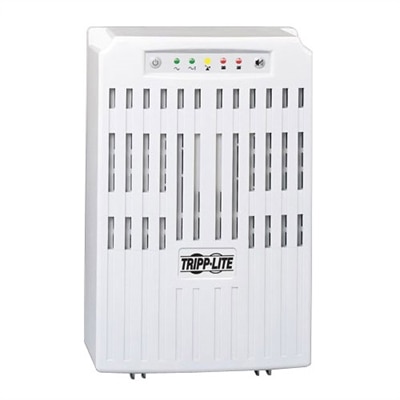
3kVA UPS
Power interruptions can disrupt productivity and damage valuable equipment, making a reliable backup solution essential for both home and business environments. A 3kVA UPS provides critical power support to keep your systems running smoothly during outages or fluctuations. Explore a range of 3kVA UPS options designed to help safeguard your devices and ensure continuous performance when you need it most.
This product is not available
Check out the following recommendations.




3kVA UPS
A 3kVA UPS, rated for up to 3,000 volt-amperes, is designed to provide dependable backup power and power conditioning for demanding technology setups. Its usable watt capacity depends on the unit’s power factor, with many models supporting approximately 2,700 watts, although the equipment label and manufacturer specifications should always guide the final load calculation. These units can help keep desktop computers, high-performance workstations, monitors, external drives, point-of-sale equipment, medical office electronics, and other essential devices operating through brief interruptions, voltage dips, and electrical fluctuations. During an outage, the UPS switches connected equipment to battery power, giving you time to save open work, complete an orderly shutdown, or continue essential operations until utility service returns. A 3kVA capacity can be a practical fit for a small office, design studio, workshop, reception area, classroom, or home office with several connected devices. It may also suit teams that rely on specialized workstations or multiple displays and cannot risk an abrupt loss of power. Before choosing a unit, add the wattage of every device you plan to connect, then leave room for normal power fluctuations and future additions. A UPS should not be operated continuously at its maximum rated load; a moderate load can provide more flexibility and may extend available runtime during an interruption. Runtime varies significantly based on the connected wattage, battery condition, efficiency, and whether additional battery modules are supported, so the number printed on a product page is best understood as an estimate rather than a guarantee.
The UPS design is another important consideration. Line-interactive models can regulate common high- and low-voltage conditions without using battery power for every variation, which may help preserve battery life in locations with inconsistent utility service. Online double-conversion models continually convert incoming power to a clean, regulated output and generally provide zero transfer time, making them well suited to sensitive electronics that cannot tolerate even a brief break in power. Pure sine wave output can also be valuable for modern computers, workstations, monitors, and equipment that uses active power-factor correction. For a shared office or equipment closet, compare tower and rackmount form factors carefully. Tower units can sit beside a desk or on a stable floor surface, while rackmount designs are intended for compatible enclosures and organized installations. Pay attention to available outlet types, spacing, circuit protection, input and output connections, cord length, display controls, audible alerts, and the placement of the battery compartment. A clear status screen can make it easier to monitor load level, battery condition, estimated runtime, and incoming voltage without opening software. USB or network-based management features may allow automatic notifications and graceful shutdown procedures, but compatibility with your computer’s operating system and management software matters. Also review the unit’s dimensions, weight, ventilation requirements, operating noise, and recommended clearance. A 3kVA UPS can be substantial, and placing it on a crowded shelf or in a poorly ventilated cabinet can create avoidable problems. For larger equipment loads or longer runtime expectations, compare the available options with a 5kVA UPS as well, particularly when several workstations, displays, and accessories will share one backup power source.
Selecting the right 3kVA UPS is ultimately about matching protection, capacity, runtime, and installation requirements to the way your equipment is used. A photographer or video professional may value clean power and enough runtime to save a large project before shutting down, while a small business may prioritize automatic shutdown, audible alerts, and easy battery replacement. A clinician or office administrator may need essential computers and displays to remain available during short interruptions so appointments, records, or transactions are not disrupted. At home, a UPS can protect a work-from-home setup, creative workstation, gaming computer, monitor, and broadband equipment from sudden power loss, especially during storms or periods of heavy seasonal demand. It is wise to connect only essential electronics to battery-backed outlets and reserve surge-only outlets for accessories that do not need continued operation. Printers, heaters, lamps, and other high-draw appliances can consume valuable capacity or exceed the unit’s limits, so they should be connected only when the manufacturer permits it. Battery runtime decreases with age, heat, and repeated deep discharges; keep the UPS in a cool, dry, well-ventilated location and follow the recommended inspection and replacement schedule. Before purchase, confirm the expected load, desired runtime, physical placement, outlet compatibility, warranty coverage, battery availability, and return requirements. With those details settled, a 3kVA UPS can provide a reassuring layer of continuity: the lights may flicker, weather may interrupt utility service, or a brief electrical disturbance may pass through the building, yet your important work has a better chance of staying protected and under control.
FAQs:
A 3kVA UPS is ideal for supporting workstations, networking equipment such as switches and routers, VoIP phone systems, small to medium server setups, and specialized devices like medical lab equipment. Its capacity ensures stable backup power for multiple critical systems simultaneously.
Line-interactive 3kVA UPS systems regulate voltage fluctuations and provide backup power during outages, making them suitable for less sensitive environments. Online double-conversion models offer the highest level of protection, continuously supplying clean power with zero transfer time, which is essential for sensitive electronics and mission-critical applications.
The runtime of a 3kVA UPS depends on the total load connected, but most units provide between 5 and 30 minutes of backup power at full load. Some models offer extended battery options for longer runtimes if needed.
Yes, 3kVA UPS units are commonly available in both tower and rack-mount configurations. Rack-mount models are popular for data centers and IT closets, while tower designs are often used in office or lab environments where rack space is limited.
Many modern 3kVA UPS systems include LCD displays for local monitoring, as well as network management cards that enable remote monitoring and control. These features allow users to track power status, battery health, and receive alerts for proactive maintenance.