3.6 GHz Processors
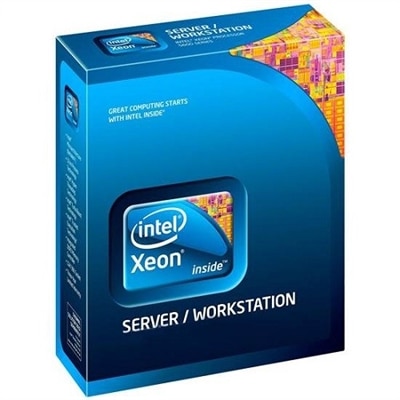
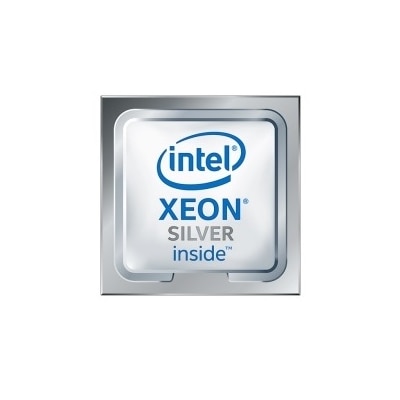
Discover the power and efficiency of 3.6 GHz processors, designed to deliver smooth performance for a wide range of computing tasks. Whether you're building a new PC, upgrading your current system, or seeking reliable speed for work and play, these processors offer the balanced capabilities needed for everyday applications and more demanding workloads. Explore the selection of 3.6 GHz processors to find the right fit for your setup and experience enhanced responsiveness across your favorite programs and activities.
This product is not available
Check out the following recommendations.

3.6 GHz Processors
A 3.6 GHz processor runs at a base clock speed of 3.6 billion cycles per second, providing a strong starting point for everyday computing and more demanding workloads. Clock speed is one useful measure of processor performance, but it should always be considered alongside the number of cores and threads, processor generation, cache, power characteristics and maximum boost speed. A modern chip rated at 3.6 GHz may deliver a noticeably better experience than an older processor with the same, or even a higher, clock speed because improvements in architecture allow it to complete more work during each cycle. For shoppers comparing products, this balance can make a meaningful difference: newer designs may open applications more quickly, respond smoothly when several programs are running and manage demanding tasks with greater efficiency. A processor in this performance range can be a practical choice for a home desktop used for documents, browsing, video calls and streaming, while also offering the headroom needed for photo work, software development, school projects and many popular games. It may suit someone replacing an aging computer, building a capable everyday system or selecting a thoughtful technology gift for a student, remote worker or creative hobbyist. During the cooler months, a responsive computer can make a comfortable workspace feel more inviting, whether it is used at a desk near a bright window for morning coursework or at a shared family workstation for evening planning and entertainment.
When comparing 3.6 GHz processors, begin with the way the computer will be used. Office applications and web browsing can run well on a wide range of current processors, while gaming, video editing, three-dimensional design and other content-creation tasks typically benefit from additional cores, more threads and a strong boost frequency. Multiple cores allow a processor to handle separate workloads at the same time, which is useful when a browser with many open tabs runs alongside a video call, music player and productivity software. Threads can help divide compatible workloads into smaller tasks, although software support varies. Cache is another consideration: this high-speed memory located close to the processor can help reduce the time needed to access frequently used information. For gaming, processor selection should also match the graphics hardware, display resolution and refresh rate so the entire computer is balanced rather than limited by one component. Buyers selecting a processor for a desktop should confirm the compatible socket and chipset, supported memory type, motherboard firmware requirements and cooling solution before completing a build. Some processors include integrated graphics, which can be convenient for everyday display output and basic creative work; others are intended to be paired with a separate graphics card for more demanding visual applications. Power requirements and cooler clearance matter as well, particularly in a compact desktop where airflow and available space are limited.
A 3.6 GHz processor can provide a versatile foundation, but the best match depends on the complete system and the tasks that matter most. For a family computer, prioritize responsive startup, quiet operation and enough performance for simultaneous browsing, streaming, homework and video calls. For a gaming desktop, look beyond the base clock and compare boost behavior, core layout, supported memory and compatibility with the chosen graphics card. For creative work, consider sustained performance, cooling and application requirements, since rendering and exporting can keep a processor busy for extended periods. A laptop with a processor in this general speed class can be well suited to commuting, study spaces and flexible work areas, while a desktop can offer easier upgrades and more room for cooling and expansion. It is also helpful to compare the processor’s release generation rather than relying on the GHz number alone; design improvements, instruction support and efficiency can influence real-world results just as much as frequency. Shoppers who are considering a slightly different performance level can also review 3.2 GHz Processors and compare specifications in the context of their needs. Whether the computer will be used to organize photos after a weekend outdoors, prepare presentations for a new term or enjoy games and media after a busy day, choosing a processor with suitable cores, compatibility and thermal characteristics helps create a system that feels dependable for years.
FAQs:
GHz, or gigahertz, refers to the clock speed of a processor, indicating how many cycles it can complete per second. For example, a 3.6 GHz processor can perform 3.6 billion cycles every second, which generally translates to faster and more responsive performance in computing tasks.
A 3.6 GHz processor is ideal for users who engage in resource-intensive activities such as gaming, video editing, graphic design, and multitasking. Students, creative professionals, and remote workers will also benefit from the enhanced speed and efficiency these processors provide.
Processor architecture determines how efficiently a processor executes instructions. A newer 3.6 GHz processor will typically outperform an older one with the same clock speed due to improvements in instructions per cycle (IPC), energy efficiency, and integrated technologies.
When selecting a device with a 3.6 GHz processor, consider your usage needs, such as gaming, content creation, or office work. Also, look for features like adequate RAM, storage, advanced cooling systems, and compatibility with high-resolution displays or dedicated graphics if needed.
Yes, a 3.6 GHz processor is well-suited for multitasking, allowing you to run multiple applications simultaneously without significant slowdowns. This makes it a great choice for users who frequently switch between tasks or use demanding software throughout the day.