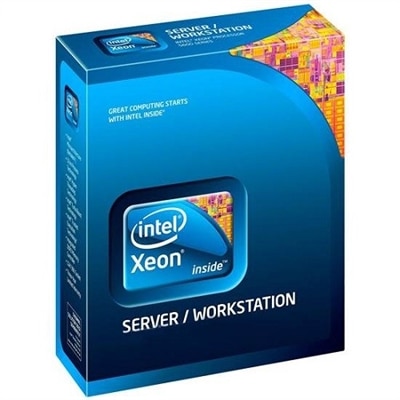
2.5 GHz Processors
Discover the power and efficiency of 2.5 GHz processors, the perfect solution for those seeking a balance between performance and energy consumption. These processors are designed to handle a variety of tasks, from everyday computing needs to more demanding applications, making them ideal for both casual users and professionals alike. With their ability to enhance multitasking capabilities and streamline workflows, 2.5 GHz processors offer a reliable foundation for your computing experience. Explore our selection to find the processor that best fits your requirements, ensuring that your system runs smoothly and efficiently.
This product is not available
Check out the following recommendations.

2.5 GHz Processors
A 2.5 GHz processor runs at a base clock speed of 2.5 gigahertz, or 2.5 billion clock cycles per second. That makes this processor class a practical choice for many everyday computing needs, including browsing the web, managing email, writing documents, attending video meetings, streaming shows and music, organizing photos, and using common school or office applications. A computer with a 2.5 GHz processor can also support ordinary multitasking, such as keeping a browser with several tabs open while working in a spreadsheet, listening to music and moving between messaging and productivity apps. Clock speed is only one part of overall performance, however. Processor generation, core count, thread support, cache, thermal design and power efficiency all affect how quickly and smoothly a computer responds. A newer 2.5 GHz processor may outperform an older chip with the same listed speed because it uses a more efficient architecture and handles instructions more effectively. Many modern processors also support dynamic frequency scaling, allowing the chip to move above its 2.5 GHz base speed for short periods when an application needs extra performance. This boost behavior can make launching programs, loading web pages, applying edits and switching between tasks feel faster than the base specification alone suggests. When comparing products, review the full processor description rather than treating gigahertz as a standalone score. The number of cores is important for running multiple workloads, while the processor’s integrated graphics capabilities can influence image quality, video playback and light creative work. Memory and storage matter as well: sufficient RAM helps a system keep several applications active, and a solid-state drive can make startup and file access feel noticeably quicker than a traditional hard drive. A balanced computer pairs the processor with components that suit its intended use, creating a responsive experience for work, learning and entertainment.
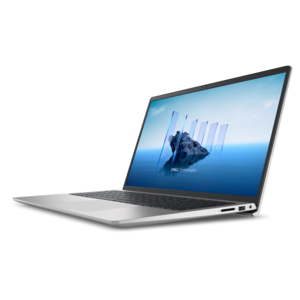
Computers with 2.5 GHz processors are often well suited to students, remote workers, home users and small-business professionals who need dependable performance for daily routines. A student might use one for research, online classes, word processing, presentations and group projects, moving from a digital textbook to a video call without closing every other application. In a home office, it can handle invoices, calendars, cloud-based tools, customer communications and video conferences, while a family computer can support streaming, online banking, recipe searches and photo organization. These systems can also be a thoughtful gift for someone setting up a first workspace, returning to school, replacing an aging computer or creating a dedicated study area during the cooler months. For a laptop, consider weight, screen size, battery capacity, keyboard comfort and the number of ports, especially if the computer will travel between home, a classroom, a library or a shared office. A desktop may be a better fit for a fixed workspace, offering a larger display, a more spacious keyboard and easier access to peripherals. Pay attention to the operating system, webcam quality, wireless connectivity and display resolution, since these details shape the daily experience as much as processor speed. A 2.5 GHz computer can be a strong match for casual games, older game titles and less demanding creative applications, particularly when paired with capable integrated or dedicated graphics. It may not be the ideal choice for modern 3D gaming at high settings, professional video production, complex three-dimensional design or other workloads that rely heavily on sustained graphics power and fast rendering. For those uses, compare systems with stronger graphics hardware, more processing cores and higher boost performance. Shoppers who regularly work with large datasets, high-resolution media or specialized professional software should also check each application’s recommended specifications before selecting a computer. For a quick comparison with systems built around a higher listed base speed, explore 3.2 GHz Processors while weighing the complete configuration rather than one number.
Selecting the right 2.5 GHz processor computer starts with an honest look at the way it will be used. Make a short list of the applications that must run smoothly, the number of programs typically open at once and whether the computer will remain at a desk or move throughout the day. Someone who mainly writes, browses and streams may value a comfortable display, long battery life and quiet operation more than maximum processing power. A user who frequently joins video calls may place greater importance on the webcam, microphone, speakers and network support, while a hobby photographer may benefit from a color-accurate screen, a convenient card reader and ample storage for an expanding library. Families sharing one computer should consider user accounts, accessible ports and enough memory for several everyday applications. It is also useful to leave room for changing needs: school assignments can become more demanding, work tools can grow more sophisticated and a new hobby may introduce photo, audio or video software. Processor specifications should therefore be considered alongside upgrade options, storage capacity, memory configuration and the graphics solution. Look for clear information about boost frequency, core and thread count, thermal limits and compatibility with the programs you plan to use. Keep the computer’s environment in mind as well; proper ventilation and a clean, unobstructed workspace help maintain consistent performance over time. A 2.5 GHz processor is not a guarantee of identical results across every computer, but it provides a useful starting point for comparing systems designed around everyday productivity and entertainment. With the right supporting components, it can deliver quick startup, fluid multitasking and reliable response for browsing, communication, study and home administration. As the weather warms and later during the cooler months, the best choice remains the one that fits the user’s real habits, workspace and performance expectations without paying for capabilities that will rarely be used.
FAQs:
2.5 GHz processors are ideal for everyday computing tasks such as web browsing, document editing, video streaming, and light multitasking. They provide a reliable balance of performance and energy efficiency, making them suitable for home, office, and student use.
The generation of a 2.5 GHz processor significantly impacts its performance. Newer generation processors with the same clock speed often feature improved architecture, more cores, and larger cache sizes, resulting in faster and more efficient performance compared to older models.
A 2.5 GHz processor can handle light gaming and basic creative tasks such as photo editing or video calls. However, for more demanding games or intensive creative applications, a processor with a higher base or boost frequency may be preferable.
Yes, a 2.5 GHz processor laptop is a great choice for students. It offers enough power for research, writing papers, attending virtual classes, and streaming educational content, all while maintaining good battery life and portability.
In addition to clock speed, it's important to consider the processor's generation, number of cores, cache size, and overall system configuration. These factors work together to determine the real-world performance and responsiveness of your device.