$689.00
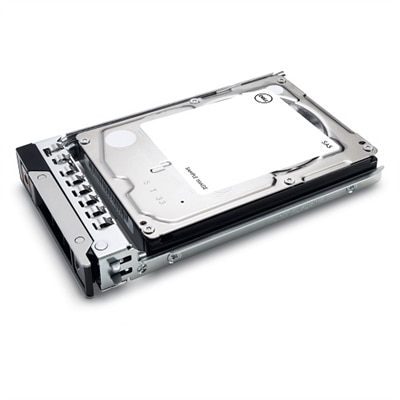
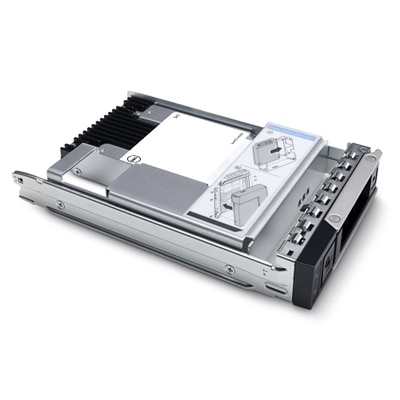
A 600GB 10K RPM SAS drive offering fast access and enhanced data transfer speeds.
High RPM hard drives are the powerhouse behind swift data access and efficient storage solutions, catering to both personal and professional needs. These high-speed drives are designed to enhance your computing experience by reducing load times and improving overall system responsiveness. Whether you're looking to upgrade your current setup or build a new system from the ground up, high RPM hard drives offer the reliability and performance needed to handle demanding applications and large files with ease. Explore our selection of high RPM hard drives to find the perfect fit for your storage requirements today.
A 600GB 10K RPM SAS drive offering fast access and enhanced data transfer speeds.
A 1.2TB 10K RPM SAS hard drive offering fast access and enhanced data transfer speeds.
A 1.2TB 10K RPM SAS hard drive with self-encryption and 2.5-inch hot-plug capability.
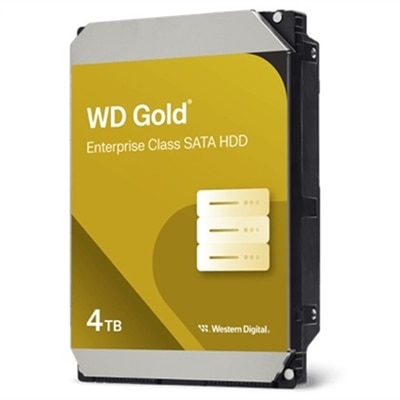
A 4TB 3.5" internal hard drive designed for enterprise-class data centers with 2.5M hours MTBF.
High RPM hard drives are engineered for users and organizations demanding overdrive performance in environments where speed and reliability are paramount. These drives, spinning at rates of 10,000 or even 15,000 revolutions per minute, deliver a level of responsiveness that can be transformative for data-intensive workflows. Professionals working in creative fields—such as video editors, graphic designers, and engineers—often rely on high RPM hard drives to handle large files and complex projects without interruption. The rapid access and transfer speeds are particularly beneficial in enterprise settings, where servers must process vast amounts of data, support multiple simultaneous users, and maintain high throughput for mission-critical applications. Database administrators and IT managers appreciate the improved IOPS (Input/Output Operations Per Second) that high RPM drives provide, making them ideal for environments where multitasking and quick data retrieval are essential. During the busy holiday season, when families gather and digital memories are created in abundance, these drives can also serve as thoughtful gifts for tech enthusiasts or professionals looking to upgrade their home office or personal workstation.
When considering a high RPM hard drive, it’s important to weigh several factors to ensure the right fit for your needs. The increased rotational speed of these drives translates to faster data access, but it also results in greater heat generation and power consumption. This means that proper ventilation and cooling solutions are necessary, especially in densely packed server racks or high-performance desktops. The audible hum of a 10,000 or 15,000 RPM drive is a testament to the mechanical precision at work, and while some users find it reassuring, others may prefer quieter alternatives for more serene environments. Storage capacity is another key consideration; historically, higher RPM drives have traded off capacity for speed, but advancements in technology have begun to bridge that gap. If your primary requirement is sheer storage space for archiving photos, videos, or large datasets, you might want to complement your setup with options from our High Capacity Hard Drives collection. For those who need both speed and storage, pairing a high RPM drive for active projects with a larger-capacity drive for backups is a common and effective strategy.
The interface of your chosen hard drive plays a crucial role in overall performance. Most high RPM drives intended for enterprise use leverage the SAS (Serial Attached SCSI) interface, offering robust data integrity and enhanced speeds, while consumer-level drives typically utilize SATA connections. Whether you’re configuring a new server for a growing business, upgrading a workstation to keep pace with demanding software, or building a high-powered gaming rig to enjoy the latest titles without lag, a high RPM dell hard drive can make a noticeable difference. As solid-state drives (SSDs) have become more prevalent for primary storage, high RPM hard drives have found their niche in applications where large volumes of data must be quickly accessed, written, and archived. This is especially true in December, as organizations prepare for year-end reporting, backups, and increased digital activity. Investing in a high RPM hard drive is not just about faster load times—it’s about ensuring that your digital infrastructure can keep up with your ambitions, whether you’re safeguarding treasured family videos or managing a bustling data center.
High RPM hard drives offer faster data access and improved transfer speeds compared to standard drives, making them ideal for tasks that require quick read/write operations. This is especially useful in server environments, where multiple users need to access data simultaneously, and in desktops used for demanding applications such as video editing, gaming, or large-scale data processing.
High RPM hard drives are commonly used by IT professionals, creative specialists, and enterprise users who need rapid access to large files or databases. Typical applications include database management, virtualization, scientific computing, video production, and any scenario where performance and reliability are critical.
The interface type, such as SAS (Serial Attached SCSI) or SATA, significantly affects the drive's performance and compatibility. SAS interfaces are typically used in enterprise and server environments to provide higher speeds and better data integrity, while SATA is more common in consumer-grade desktops. Choosing the right interface ensures optimal performance and seamless integration with your system.
Yes, high RPM hard drives are often used in combination with SSDs to balance speed and storage capacity. SSDs can serve as primary drives for operating systems and frequently used applications, while high RPM hard drives can be utilized for secondary storage, backups, or tasks that require fast, large-volume data access.
High RPM hard drives generate more heat and noise due to their increased rotational speeds. It's important to ensure adequate cooling and ventilation in your system to maintain optimal performance and longevity. If noise is a concern, consider installing drives in sound-dampened enclosures or choosing a location where operational sounds will not be disruptive.
Add the products you would like to compare, and quickly determine which is best for your needs.