$1299.99
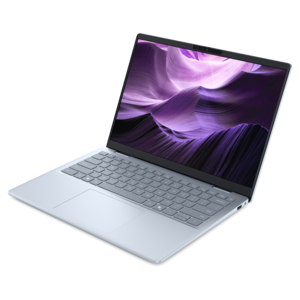
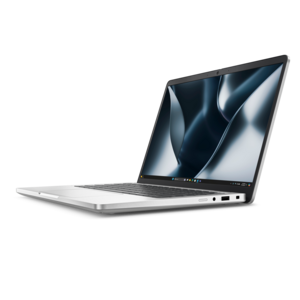
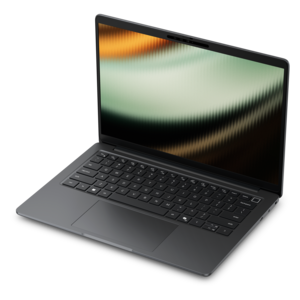
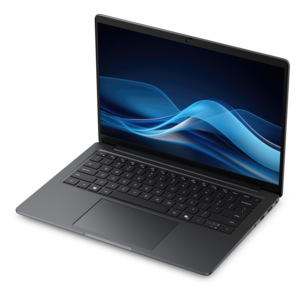
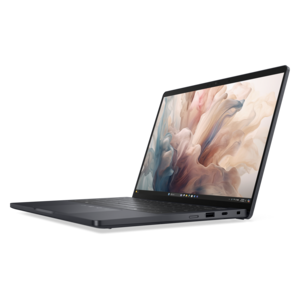
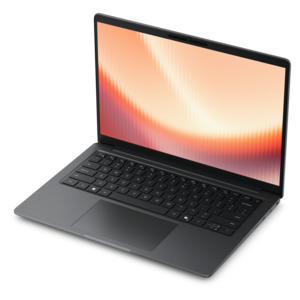
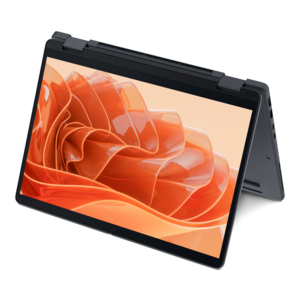
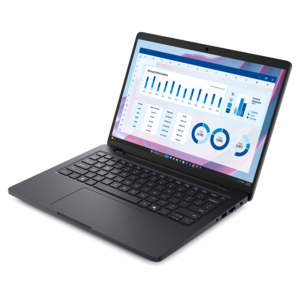
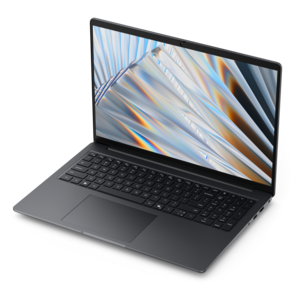
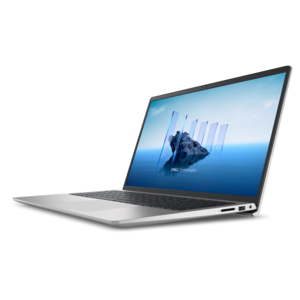
A sleek laptop powered by the latest AMD Ryzen AI 400 Series processors for demanding users.
In today's rapidly evolving technological landscape, AI processors are revolutionizing the way we interact with and utilize our devices. These advanced processors are specifically designed to handle the complex computations required for artificial intelligence tasks, making them essential for everything from smart home devices to cutting-edge gaming systems. Whether you're a tech enthusiast looking to upgrade your system or a professional seeking powerful solutions for intensive applications, AI processors offer unparalleled performance and efficiency. Explore our range of AI processors to find the perfect match for your needs and take your technology experience to the next level.
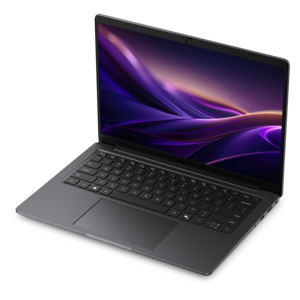
A sleek laptop powered by the latest AMD Ryzen AI 400 Series processors for demanding users.
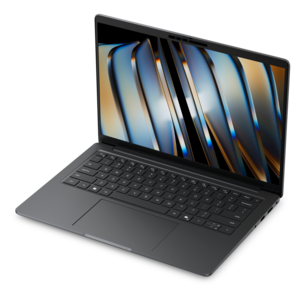
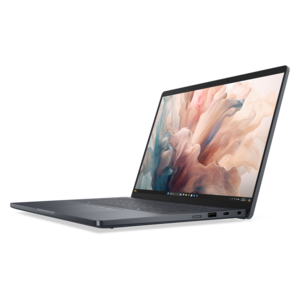
A lightweight AI-powered laptop with Intel Arc graphics, ideal for creative professionals and small businesses.
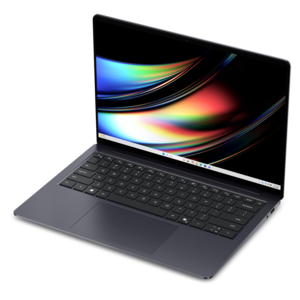
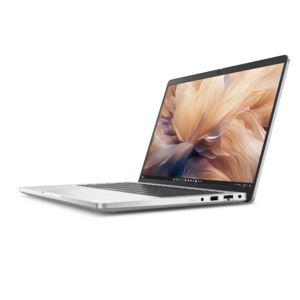
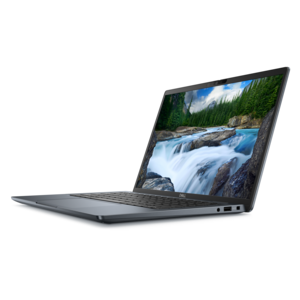
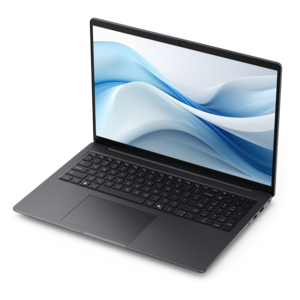
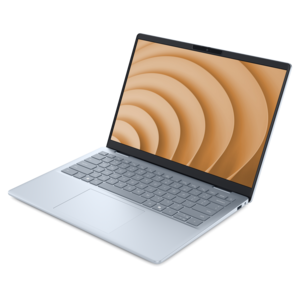
A sleek laptop powered by AMD Ryzen™ AI 400, designed for powerful performance and modern multitasking.
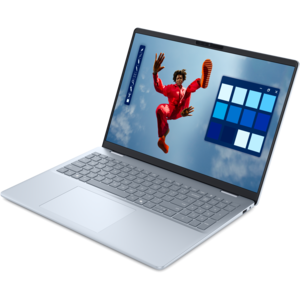
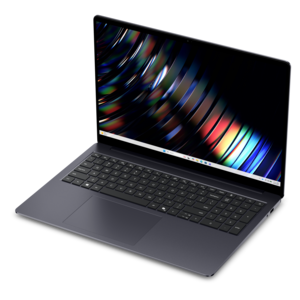
A spacious-display laptop with built-in AI and Intel Arc graphics for creative and development workflows.
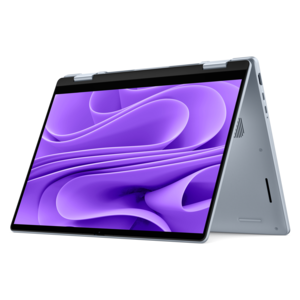
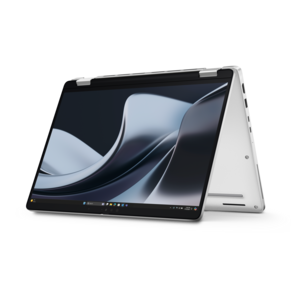
A versatile 2-in-1 laptop with AI experiences, all-day battery life, and seamless multitasking.
An AI-powered Copilot+ PC featuring Series 3 Intel Core Ultra processors for efficient performance.
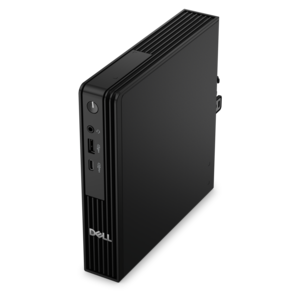
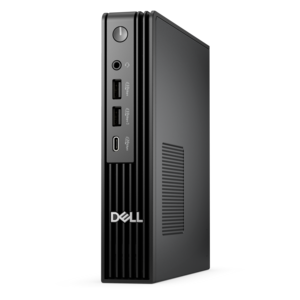
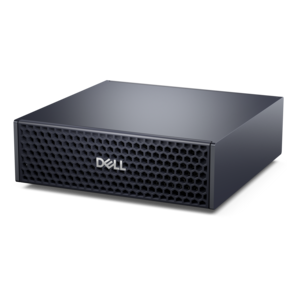
An ultracompact AI-ready desktop delivering robust business performance with exceptional security and seamless manageability.
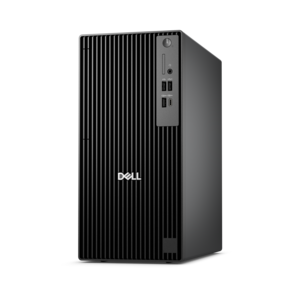
A high-performance AI-ready business desktop with security, seamless manageability, and expandable capabilities for demanding tasks.
A secure, scalable commercial AI PC in a sleek, durable aluminum body for on-the-go multitasking.
A secure, scalable commercial AI laptop featuring a sleek, durable aluminum body and productivity-focused display.
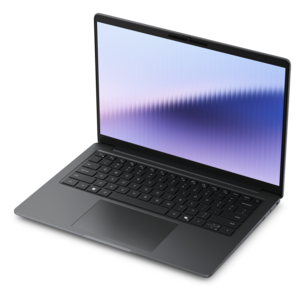
A remarkably thin laptop powered by AMD Ryzen AI PRO 400 Series processors for professional performance.
A thin, durable laptop powered by AMD Ryzen™ AI PRO 400 Series processors for professional work.
A secure, scalable AI PC with a sleek, durable aluminum body and laptop or 2-in-1 design.
A productivity-focused Copilot+ PC powered by a capable AMD CPU, GPU and NPU combination.
A lightweight AI PC delivering outstanding performance and battery life for highly mobile professionals.
A remarkably thin laptop powered by AMD Ryzen AI PRO 400 Series processors for professional performance.
A remarkably thin 2-in-1 laptop powered by AMD Ryzen AI PRO 400 Series processors for performance.
A portable performance laptop with AMD Ryzen processing, extended battery life, and seamless on-device AI capabilities.
A powerful Copilot+ PC combining Intel CPU, GPU, and NPU performance to enhance productivity.
A premium laptop with QHD+ resolution, ComfortView Plus, built-in AI, and Intel vPro platform.
An AI-powered tablet with optional keyboard, active pen, advanced thermals, HDR cameras, and Intel Core Ultra.
A productivity laptop powered by AMD Ryzen™ AI PRO processors for complex workflows and productive results.
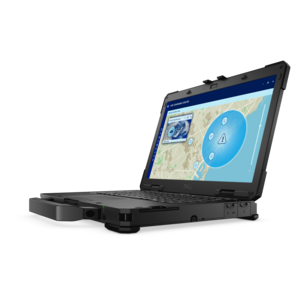
A lightweight semi-rugged laptop with Intel Core Ultra processors delivering AI performance for demanding fieldwork.
A thin, lightweight Copilot+ PC combining powerful AMD CPU, GPU, and NPU performance for enhanced productivity.
AI processors are specialized computer chips designed to handle artificial intelligence and machine learning workloads more efficiently than a conventional processor working alone. They help a laptop or desktop interpret voice commands, improve video calls, organize photos, generate images, summarize documents, and support other intelligent software features while you work, study, create, or relax. Traditional computer processing often completes instructions in a mostly sequential flow, while AI-focused hardware can perform many small mathematical operations at the same time. This parallel processing can make demanding tasks feel more responsive and may help reduce the energy required for everyday AI functions. The term “AI processor” can describe several types of processing hardware working together. A CPU, or central processing unit, remains the general-purpose foundation of a computer, handling the operating system, applications, files, browsing, and countless routine instructions. A GPU, or graphics processing unit, is built to perform large numbers of calculations in parallel, making it useful for graphics, video creation, scientific applications, and more intensive AI workloads. An NPU, or neural processing unit, is a low-power component designed specifically for common AI operations such as speech recognition, image effects, background separation, and software-assisted productivity features. An ASIC, or application-specific integrated circuit, is customized for a particular type of workload. On many modern computers, these components work as a team: the CPU manages broad tasks, the GPU takes on highly parallel work, and the NPU handles supported AI features efficiently in the background. This combination can provide a smoother experience without requiring every AI task to rely on the most power-hungry hardware.
When comparing AI processor options, start with the way the computer will actually be used. Someone choosing a laptop for school, travel, office work, or general home computing may benefit from an NPU that supports built-in AI features while helping preserve battery life. A person who edits high-resolution video, creates 3D content, works with large image libraries, develops software, or uses demanding creative applications may place greater importance on GPU capability, processor speed, memory, and cooling. Desktop shoppers often have more room to prioritize sustained performance, expandability, and a larger display setup, while laptop shoppers may weigh portability, battery capacity, weight, and quiet operation more heavily. Look beyond a processor’s headline speed and review the complete specification: the number of CPU cores and threads, graphics capability, NPU performance, memory capacity, storage type, display resolution, and support for the applications you use. Compatibility matters because not every AI feature runs on every type of processor, and software developers may optimize certain functions for a CPU, GPU, NPU, or a combination of them. A capable AI processor cannot replace sufficient memory or fast storage when you regularly switch among large files and several applications. It is also helpful to consider the computer’s operating system, connection options, webcam quality, keyboard comfort, and display characteristics, since AI features are most valuable when they fit naturally into the rest of the experience. For a broad look at processor options used in compatible computers, explore Intel Processors and compare the capabilities that align with your routine.
AI processor systems can suit a wide range of users. Students may use them to organize notes, transcribe recorded discussions, receive writing assistance, or search through research materials more efficiently. Remote professionals can benefit from clearer video meetings, automatic framing, noise reduction, voice-to-text tools, and productivity software that helps manage a busy day. Creators may use AI-assisted photo adjustments, video effects, audio cleanup, and design features that reduce repetitive steps, leaving more time for the creative decisions that give a project its character. Families can appreciate accessible voice controls, smarter photo organization, and tools that make everyday communication easier, while technology enthusiasts may enjoy exploring new applications and experimenting with local AI capabilities. A computer with an AI processor can also be a thoughtful gift for a student heading into a new school year, a relative setting up a more comfortable home office, or a creative friend who spends long evenings refining photos, music, or video. During the cooler months, a responsive laptop can make a practical companion for working from a favorite corner at home, joining virtual gatherings, or keeping personal projects moving when outdoor plans are limited. Before choosing, consider who will use the computer, where it will be used, which applications matter most, and how long the device should remain useful. The strongest fit balances AI performance with comfort, portability, battery life, graphics capability, memory, storage, and the everyday details that make a computer easy to enjoy.
Add the products you would like to compare, and quickly determine which is best for your needs.