ASMR Microphones
Discover the captivating world of sound with ASMR microphones, designed to elevate your auditory experience and bring your creativity to life. Whether you're a seasoned content creator or just starting your journey into the soothing realm of ASMR, these microphones are crafted to capture every delicate whisper and subtle rustle with stunning clarity. Dive into an array of options that cater to various needs and preferences, ensuring that you find the perfect tool to create immersive and relaxing audio content. Unleash the potential of your ASMR projects by exploring our selection of microphones that promise to deliver exceptional sound quality and precision.
This product is not available
Check out the following recommendations.


ASMR Microphones
ASMR microphones are designed to capture the quiet, detailed sounds that ordinary microphones may soften or lose, from a close whisper and slow breath to fingernail taps, paper movement, fabric brushing, and the delicate click of a small object placed on a table. This page brings together recommended microphones for creators who want a more intimate, immersive recording experience, whether they are producing relaxation videos, sleep content, sound-focused podcasts, livestreams, guided meditation, product demonstrations, or private audio projects. A suitable ASMR microphone typically combines high sensitivity with low self-noise, allowing subtle triggers to remain clear without adding a noticeable electronic hiss during pauses. The microphone’s pickup pattern also matters. A cardioid pattern focuses primarily on sound in front of the capsule and can help reduce noise from behind the recording position, while stereo microphones capture left-and-right detail for a wider sense of space. Binaural and 3D microphones take that effect further by placing capsules in a shape designed to imitate the way human ears perceive direction, making a whisper or tapping sound seem to move naturally from one side to the other when heard through headphones. Before choosing, consider the kind of ASMR you plan to record, the distance between the microphone and the sound source, and whether your content depends on a centered voice, close-up object sounds, or movement around the listener. A microphone that is excellent for soft spoken narration may not be the best fit for broad room ambience, while a model intended for immersive stereo recording may need more careful placement and a quiet space to show its strengths.
Connection type is another important purchase consideration. USB microphones connect directly to a computer and are often a practical starting point for beginners, casual creators, students, and anyone who wants a straightforward setup with minimal additional equipment. Many include controls for headphone volume, mute, or microphone gain, making it easier to monitor a recording and adjust levels without opening complicated software. XLR microphones connect to an audio interface, which then links to a computer or other recording device. This arrangement requires more planning, but it can provide flexible control over gain, monitoring, and future equipment upgrades. Condenser microphones are commonly considered for ASMR because they are sensitive to quiet details, though that sensitivity also means they can reveal keyboard clicks, air conditioning, chair movement, and traffic outside a window. Dynamic microphones can be less revealing of distant background noise and may suit a controlled speaking setup, but they often require the sound source to be positioned closer. Portable and mobile microphones are useful for creators who record away from a desk, capture sounds in different rooms, or want to pair a microphone with a phone or compact recording device. Check connector compatibility, operating-system support, required adapters, and whether the microphone needs external power before purchasing. A stable stand, boom arm, shock mount, pop filter, and windscreen can make a noticeable difference. Even a highly sensitive microphone benefits from a secure mounting surface, because a light bump on the desk can sound like a deep thud in a close recording. For additional options that fit computer-based setups, explore Desktop Microphones.
The best ASMR microphone also depends on the environment in which it will be used. A quiet bedroom, closet, office, or treated corner can help preserve the fine texture of soft sounds, while hard walls and bare desks may create reflections that make recordings feel sharp or distant. Look for adjustable gain so you can record delicate triggers without forcing the input level too high, and use headphone monitoring to catch hum, cable noise, or accidental contact before recording an entire session. Stereo width, polar-pattern controls, sample rate, and bit depth may be valuable for experienced creators, but ease of use is equally important when the goal is consistent recording. Someone who creates occasional relaxation clips may prefer a simple USB setup that can be connected and stored quickly; a dedicated content creator may value an XLR configuration with an interface and room to expand; and a traveler may prioritize a compact microphone that works with a mobile device. ASMR microphones can also make thoughtful gifts for podcast creators, streamers, musicians, video makers, students, or anyone who enjoys experimenting with sound. They are particularly useful for a person turning a quiet hobby into a more polished creative project, such as recording the soft rustle of sketchbook pages, the measured rhythm of keyboard work, or the gentle sounds of a craft demonstration. As the weather warms or during cooler months when indoor recording becomes more appealing, a dependable microphone can help create a comfortable routine: a clear desk, a nearby set of headphones, a few carefully chosen objects, and enough time to capture the small sounds that often go unnoticed. Whether the priority is plug-and-play convenience, highly detailed studio audio, realistic left-to-right imaging, or flexible recording on the go, comparing sensitivity, self-noise, connection type, pickup pattern, monitoring features, and included accessories can help you select an ASMR microphone that matches both your creative style and recording space.
FAQs:
When choosing an ASMR microphone, prioritize low self-noise, high sensitivity, and clear sound reproduction. Many users prefer condenser microphones for their ability to capture subtle audio details, while others may seek binaural microphones for immersive, 3D soundscapes. Consider whether you want a USB connection for easy setup or an XLR connection for more advanced audio control.
ASMR microphones are ideal for content creators, streamers, podcasters, and anyone interested in producing high-quality audio. They’re also a great choice for remote workers who want clear voice calls, students recording presentations, or anyone exploring sound-based relaxation and meditation techniques.
Condenser microphones are generally more sensitive and excel at picking up the faint, delicate sounds that are essential for ASMR recordings. Dynamic microphones are more robust and can handle higher sound pressure levels, but may not capture the same level of detail in quiet environments.
To enhance your ASMR recordings, use your microphone in a quiet, softly furnished room to minimize background noise. Experiment with microphone placement to find the most effective position for your sound triggers, and consider using audio editing software to further refine the clarity of your recordings.
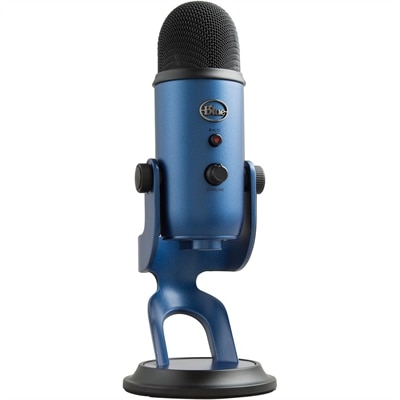
Yes, many USB microphones—such as the Blue Yeti and certain Logitech microphone models—are popular among ASMR creators for their ease of use and reliable sound quality. They’re ideal for beginners or those who prefer a simple, plug-and-play setup without the need for additional audio interfaces.