C13 Power Connectors
C13 power connectors provide a reliable solution for powering a wide range of electronic devices, from computers and monitors to servers and networking equipment. Designed for compatibility with many power cords and outlets, c13 power connectors are a popular choice in both home and professional environments. Whether setting up a new workspace or upgrading existing equipment, finding the right c13 power connectors ensures seamless connectivity and dependable performance for your essential electronics.
This product is not available
Check out the following recommendations.
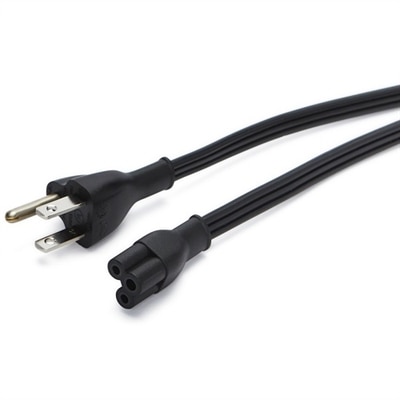

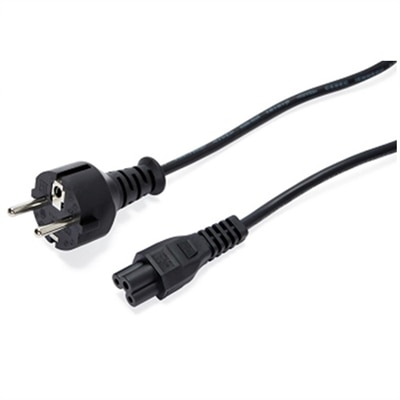
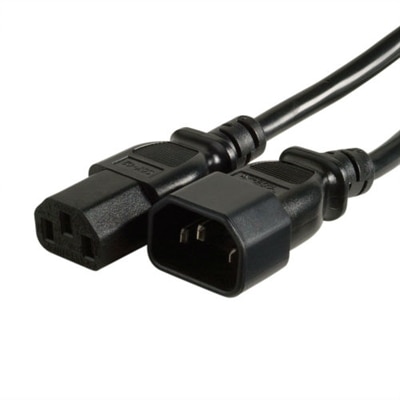
C13 Power Connectors
C13 power connectors are the familiar three-prong female ends used on many everyday computing and office power cables. More precisely, a C13 connector follows the IEC 60320 standard and is designed to mate with a C14 male inlet on compatible equipment. Its rectangular body has gently angled corners, while the three contacts provide line, neutral, and protective ground in a compact, widely used configuration. In North America, a C13 cable commonly connects a standard three-prong wall plug to a desktop computer, monitor, printer, audio component, or other equipment fitted with a C14 inlet. The connector itself is not the part that plugs directly into a household wall outlet; the opposite end of the cable determines that connection, which is why checking both ends matters when replacing a cable or organizing a workspace. Depending on the cable construction, local electrical system, and equipment requirements, C13 assemblies are commonly rated for up to 10 amps at 250 volts, while some versions support up to 15 amps in suitable applications. Always match the cable rating to the device and electrical supply, and follow the requirements printed on the equipment or supplied in its documentation. A correct fit should feel secure without forcing the connector, and the cable should reach the outlet with enough slack to avoid tension, sharp bends, or pressure behind furniture. If you are identifying a replacement, begin at the equipment: look for a C14 inlet with three rectangular openings arranged in the standard pattern, then confirm the wall-plug style, cable length, current rating, and regional compatibility. A grounded NEMA 5-15P plug is typical for many US household and office outlets, while other plug styles are used in different countries. For a broader selection of compatible connections and lengths, explore Power Cables.
C13 power connectors are useful wherever dependable, orderly power delivery matters, from a home office with a desktop and display to a study corner, classroom, workshop, or small business reception area. They can make a practical replacement when an existing cable has been misplaced, stretched across a walkway, or damaged near the plug after years of being moved between rooms. They are also helpful during a workspace refresh: a properly sized cable can reduce loops on the floor, keep a power strip positioned neatly, and make it easier to disconnect equipment before cleaning or rearranging a desk. When selecting one, compare the length with the actual distance between the outlet and the device rather than choosing the longest option by default. A cable that is too short may pull against the connector, while one that is excessively long can create coils where dust gathers or feet can catch. Inspect the jacket for its gauge and safety markings, and consider whether the cable will run in a warm, crowded area or be handled frequently. Avoid routing it beneath rugs, pinching it behind a heavy desk, or placing it where chair casters can repeatedly roll over it. The connector should remain fully inserted, with no visible gap caused by an obstruction, and the cable should never be used if its insulation is split, crushed, discolored, or frayed. C13 cables are often selected for desktop computers, monitors, printers, amplifiers, and select home electronics, but compatibility depends on the equipment inlet and electrical specifications rather than appearance alone. They are not interchangeable with every two-prong or figure-eight style lead, and a visually similar connector may have a different standard or rating. During warmer periods when fans and air conditioning increase the number of powered devices in a room, and through cooler months when indoor workspaces become more active, a little cable organization can improve both comfort and safety. Keep spare cables labeled by length and intended use, store them loosely coiled, and choose grounded connections for equipment designed to use them. With the correct C13-to-wall-plug configuration, suitable rating, and careful routing, a replacement cable can restore a tidy, reliable setup without adding unnecessary complexity.
FAQs:
C13 power cords are most often used with computers, monitors, printers, and professional audio/video equipment. They are also widely found on other electronics that require a grounded three-prong connection, making them a versatile choice for both home and office setups.
Yes, right-angle C13 plugs are designed for situations where space is limited behind equipment or furniture. They function the same as straight connectors but allow cables to be routed more efficiently in tight spaces, helping to reduce cable strain and clutter.
A standard C13 connector uses a friction fit to stay in place, while a locking C13 connector features a secure tab that keeps the cord firmly connected to the device’s C14 inlet. Locking connectors are ideal for environments where cords might be accidentally unplugged or where maintaining a continuous power connection is critical.
Yes, rewirable IEC C13 connectors are available for custom installations. These connectors allow you to attach your own cable and are clearly labeled for live, neutral, and ground wires, making them suitable for tailored setups and specific length requirements.
Most modern monitors, including many Dell models, use a C13 power cord. You can confirm by checking the power input on the back of your monitor for a three-prong C14 inlet, which is the standard socket for C13 connectors.