$2149.00
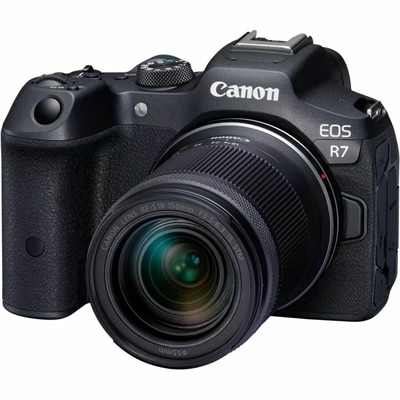
A high-speed 32.5MP APS-C mirrorless camera featuring 15 fps shooting, 4K60p video, and 7-stop stabilization.
Capture every moment with clarity and confidence using cameras with 5 axis image stabilization. Designed to help reduce blur from handheld movement, these advanced cameras offer enhanced stability for both photography and video recording. Whether you’re shooting fast-paced action or low-light scenes, cameras with 5 axis image stabilization provide a smoother, more professional result. Explore a wide selection of models perfect for creators, travelers, and everyday photographers seeking reliable performance and sharp, steady images.
A high-speed 32.5MP APS-C mirrorless camera featuring 15 fps shooting, 4K60p video, and 7-stop stabilization.
Cameras with 5-axis image stabilization are designed to help produce sharper photographs and steadier video when the camera is held in your hands. This technology, often called in-body image stabilization or IBIS, works by moving the camera’s imaging sensor to compensate for several kinds of movement. The five corrected motions are pitch, which is an up-and-down tilting motion; yaw, which is a left-and-right turning motion; roll, which is rotation around the lens axis; and horizontal and vertical shift, which are small side-to-side or up-and-down movements. These subtle movements can happen when you press the shutter, follow a moving subject, compose a scene in dim light, or record video while walking. By reducing their effect, 5-axis stabilization can make handheld images look clearer and footage appear more controlled. It is especially useful when using slower shutter speeds, longer focal lengths, or lenses without built-in stabilization. The feature cannot freeze a subject that is moving quickly, and it does not replace careful technique, adequate lighting, or a tripod for long exposures, but it can provide a valuable layer of support in everyday shooting. A person photographing a quiet street during the cooler months may appreciate the ability to work without carrying a tripod, while someone recording a family gathering can move naturally through a room and retain smoother footage. For shoppers comparing camera options, Mirrorless Cameras with sensor-based stabilization can be appealing because their compact designs are often comfortable for travel, events, portraits, landscapes, and creative video. When reviewing the products listed on this page, consider how the stabilization system works with the camera’s sensor, lens mount, and available lenses. Some cameras can combine sensor stabilization with optical stabilization in a compatible lens, potentially improving correction across a wider range of shooting situations. Specifications may also describe stabilization performance in stops, but real-world results vary with the lens, focal length, shutter speed, subject movement, and the photographer’s technique.
Choosing among cameras with 5-axis image stabilization starts with matching the camera’s capabilities to the way it will be used. For still photography, sensor size, resolution, autofocus performance, burst shooting, and low-light handling can influence the final image as much as stabilization. A larger sensor may help gather more light and create a softer background, while a higher-resolution sensor can preserve fine detail for cropping or printing. For video, look for recording resolution and frame-rate options, microphone and headphone connections, screen movement, heat management, autofocus tracking, and whether the stabilization can be adjusted for handheld motion or walking. Electronic stabilization may add another layer of smoothing, though it can crop the frame or create an unusual look in some situations. Handling is equally important: a well-shaped grip, clearly placed controls, a bright viewfinder, and a responsive touchscreen can make it easier to keep a subject framed during a fast-moving moment. Battery life, charging options, memory-card support, weather resistance, and overall size also matter for travel and outdoor use. These cameras can suit beginning photographers who want extra help with handheld shooting, experienced creators building a lightweight kit, travelers documenting architecture and landscapes, and families capturing milestones without setting up elaborate equipment. They can also make a thoughtful gift for someone exploring photography, especially when paired with a comfortable strap, spare battery, memory card, compact bag, or versatile lens that fits the camera system. A stabilized camera may be useful for photographing indoor celebrations, evening city scenes, pets in motion, portraits near a window, or changing scenery on a road trip. For the clearest results, hold the camera with both hands, keep your elbows close to your body, use a shutter speed suited to the subject, and check whether stabilization should be disabled when the camera is firmly mounted on a tripod. Reviewing the available settings and practicing with familiar scenes can help each photographer understand how the system responds. With the right combination of stabilization, lens, autofocus, and handling, these cameras can make it easier to capture sharp still images and fluid video across a broad range of everyday moments.
Add the products you would like to compare, and quickly determine which is best for your needs.