Comfortable Office Seating
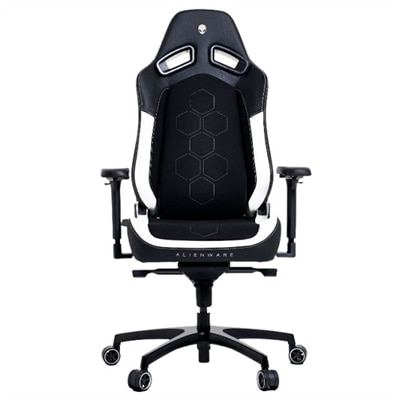
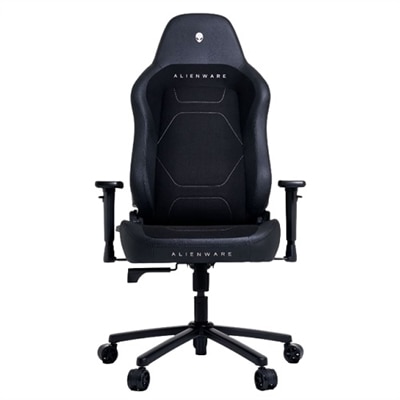
Comfortable office seating is essential for creating a productive and inviting workspace. The right chair can make a significant difference in your daily routine, helping you stay focused and at ease during long hours at your desk. Whether outfitting a home office or updating your corporate environment, exploring options designed for comfort can help enhance both style and functionality in any setting. Discover a range of comfortable office seating solutions that blend support with modern design, perfect for elevating your work experience.
This product is not available
Check out the following recommendations.


Comfortable Office Seating
Comfortable office seating combines a supportive seat, a well-fitted backrest, and adjustments that help the chair suit both the person and the workspace. Comfort is more than a soft cushion: it depends on how the seat distributes pressure, where the backrest meets the lower back, and whether the arms can rest naturally while typing or reading. For someone moving between spreadsheets, video calls, and handwritten notes, a swivel base and responsive recline can make everyday transitions feel less restrictive. A compact task chair may suit a bedroom workspace or a desk tucked beside a living room window, while a more generously proportioned chair can provide room to shift position during longer stretches of seated work. Neither a larger chair nor thicker padding automatically means a better fit. Seat height should allow the feet to rest on the floor or a footrest, with the desk close enough that reaching for the keyboard does not pull the shoulders forward. Seat depth matters just as much: there should be a little space between the front edge of the cushion and the backs of the knees when the back rests against the chair. An adjustable backrest or lumbar support can help accommodate different torso lengths and preferred sitting positions. Armrests that adjust in height, width, or angle can be useful when several people share a workspace, particularly if one person spends the morning typing and another uses the same desk for evening coursework. For shared seating, controls that are easy to reach and understand make those changes less of a chore. Comfortable desk chairs serve remote employees, students, creative professionals, and anyone managing household paperwork, but the right balance of cushioning and movement depends on the length and nature of each sitting session. A chair used briefly to check messages has different demands from one supporting a full afternoon of detailed computer work, and seating should leave room for natural changes in posture rather than encourage staying still.
Materials give office seating much of its character, affecting airflow, surface feel, upkeep, and how the chair looks alongside a desk. Mesh backs have an open structure that allows air to circulate, which can be appealing in a sunny home office or a room that tends to feel warm by late afternoon. The tension and construction of mesh influence its feel; some surfaces offer firmer support, while others flex more noticeably as the sitter moves. Upholstered fabric brings a softer texture and can make a work area feel at home among residential furnishings. Its weave and finish affect how readily it catches lint, collects dust, or shows everyday marks. Leather and synthetic leather create a smoother surface, but they differ in composition and care requirements, so cleaning instructions deserve attention rather than assumptions based on appearance. Cushioned seats also vary beneath the upholstery. Foam density, cushion shape, and the support underneath all contribute to whether a seat feels comfortably stable or allows the body to sink too deeply. A gently contoured cushion or rounded front edge may feel less intrusive beneath the thighs, particularly when the chair is adjusted to a suitable height. Durability depends on more than the covering: a stable base, secure arm attachments, a dependable height-adjustment mechanism, and smoothly operating tilt controls all influence everyday use. Published weight capacities and dimensions are useful reference points because visual proportions alone cannot confirm whether seating will fit comfortably. Regular care helps preserve both appearance and function. Vacuuming fabric crevices with an appropriate attachment, removing dust from the base, and wiping suitable surfaces according to the manufacturer's instructions can keep daily buildup manageable. Spills are best addressed promptly using a method approved for the upholstery, without soaking cushions or applying harsh cleaners. Casters also benefit from occasional checks for hair and debris, especially in rooms with pets or rugs. Loose fasteners, uneven rolling, or changes in the adjustment mechanisms warrant attention according to the chair's maintenance instructions instead of being treated as ordinary signs of comfort settling in.
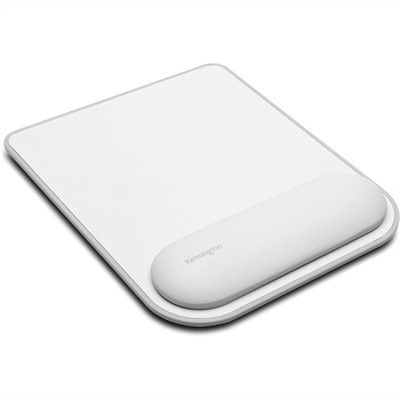
The most useful office seating fits the surrounding room as thoughtfully as it fits the sitter. In a narrow workspace, the distance between the chair, desk, and nearby shelving determines whether there is enough room to roll back and stand without twisting around furniture. Armrest height can affect whether a chair slides beneath the desktop, while a tall backrest may visually dominate a small room even when the seat itself fits. Hard flooring and carpet place different demands on casters, making floor compatibility worth checking; a suitable protective mat may also help preserve the surface beneath the chair. At a desk used for both computer tasks and writing, a chair that swivels smoothly can support easy movement between the screen and an open notebook. Adjustable recline and tilt tension allow different amounts of resistance when leaning back, although those settings are distinct from seat height and should not substitute for a comfortable working position. Headrests may offer support during reclined pauses, but their usefulness depends on their placement and adjustability rather than simply their presence. A complete workspace also considers what happens above the seat. Screen position, keyboard placement, and foot support influence how someone sits, and Ergonomic Office Accessories can complement seating by helping bring those parts of the workstation into a more comfortable relationship. No chair removes the value of standing, stretching, or changing tasks periodically throughout the day. For a shared household office, adaptable seating can accommodate the person answering early emails as well as the person studying after dinner, provided its adjustment range suits both users. Office seating can also be a thoughtful gift for someone setting up a dedicated workspace, though comfort is personal enough that measurements and preferences matter more than a surprise choice based on looks alone. Across home offices, study corners, and professional workspaces, lasting satisfaction comes from the combination of suitable proportions, practical materials, dependable construction, and adjustments that are useful in everyday life.
FAQs:
When choosing comfortable office seating, look for ergonomic design, adjustable height and armrests, lumbar support, breathable materials, and sufficient cushioning to ensure long-term comfort during extended work sessions.
Ergonomic office seating supports proper posture and reduces strain on the body, which can help minimize fatigue and discomfort. This leads to improved focus and productivity throughout the workday.
Mesh chairs are popular for their breathability and flexibility. They provide good ventilation, which helps keep you cool, and often include ergonomic features that enhance overall comfort.
Lumbar support helps maintain the natural curve of your lower spine, reducing pressure on your back muscles and promoting better posture. This can prevent back pain during long hours of sitting.
Absolutely! Comfortable office seating is essential in any workspace—whether at home or in a corporate setting—to promote health, comfort, and productivity while working.