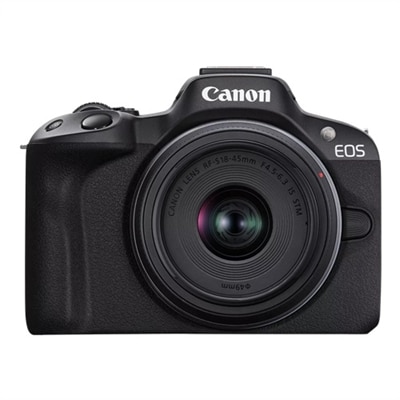
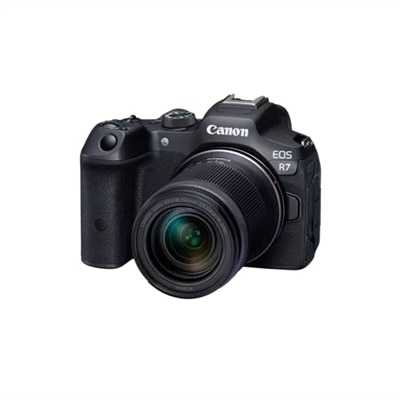
Compact Cameras for Everyday Carry
Compact cameras for everyday carry offer a convenient way to capture photos and video without the bulk of larger camera systems. Browse a selection of compact digital cameras and point-and-shoot options to find a portable camera that fits your photography needs, travel plans and daily routine.
This product is not available
Check out the following recommendations.
Related Products

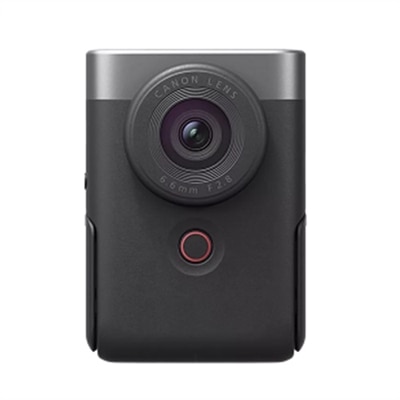
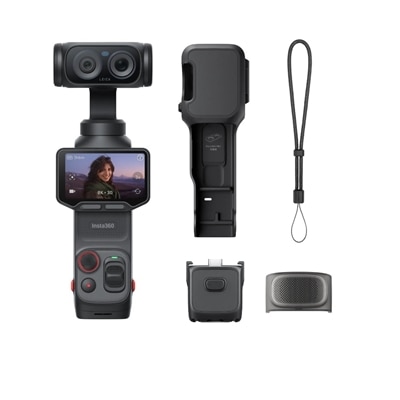
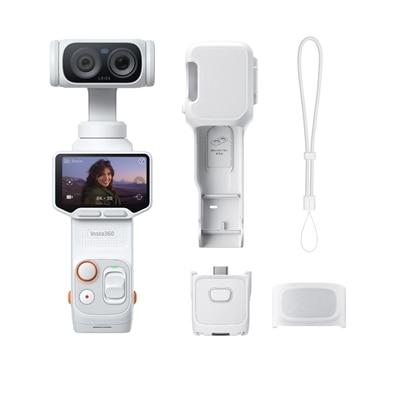
Compact Cameras For Everyday Carry
Compact cameras for everyday carry are designed for the moments that happen between planned outings: a quiet street during the morning commute, a family gathering in a softly lit room, a changing landscape seen from a train window, or a favorite café that deserves more than a quick phone snapshot. Their greatest advantage is consistency. A camera that feels comfortable in a jacket pocket, small shoulder bag, or everyday backpack is more likely to be with you when the light changes or an unexpected scene appears. When comparing models, pay close attention to overall dimensions, weight, grip shape, controls, and how easily the camera can be started and used without a lengthy setup. A pocketable body may include a retractable zoom lens for flexible framing, while a fixed-lens design can be slimmer, simpler, and especially responsive for street photography and candid moments. Zoom ranges vary considerably, with some compact cameras covering wide views for architecture and landscapes while reaching telephoto distances for portraits, details, and travel scenes. A versatile range comparable to 24–200mm can help one camera handle many subjects, though a shorter zoom may keep the body smaller and the lens brighter. Fixed lenses around a wide-to-normal perspective are often well suited to everyday storytelling because they encourage a natural working distance and a consistent visual style. For a broader look at options for still images and video, visit Digital Cameras for Everyday Photos and Video.
Image quality depends on more than megapixel count. Sensor size, lens brightness, image processing, stabilization, and focusing performance all influence the final photograph. A 1-inch sensor offers a useful balance of detail, low-light capability, and compact design, making it a common choice for people who want a noticeable step beyond basic phone photography without carrying interchangeable lenses. Larger APS-C sensors can provide greater control over background blur, richer tonal detail, and improved performance in dim settings, but cameras built around them may be less pocket-friendly. Resolution in the range of approximately 20 to 40 megapixels can provide room to crop, print, or reframe an image, although a sharp lens and steady technique often matter just as much. Fast autofocus is valuable when photographing children, pets, cyclists, performers, or fleeting expressions, and eye-detection features can help keep attention on a subject rather than the background. Optical or sensor-based stabilization can make handheld photos and video look steadier, particularly indoors, at dusk, or when using a longer zoom setting. For video, look for the recording resolution and frame-rate options that fit your habits, along with microphone support, a tilting screen, touch controls, and a battery that can handle a full afternoon of recording. RAW capture appeals to photographers who enjoy adjusting exposure and color later, while JPEG and automatic modes are convenient for sharing images quickly. Built-in wireless connectivity can simplify transfers to a phone, and a viewfinder may be useful in bright outdoor conditions when a rear screen becomes difficult to see.
The right compact camera depends on who will carry it and what kinds of memories they hope to preserve. Travelers often appreciate a lightweight zoom, quick startup, dependable autofocus, and a battery that can last through walking tours, scenic overlooks, and evening meals. Street photographers may favor discreet controls, a quiet shutter mode, a bright fixed lens, and a focal length that captures a natural sense of place without making the camera feel conspicuous. Families can benefit from responsive focusing, face and eye recognition, simple automatic modes, and a comfortable grip that makes it easy to react when a child suddenly laughs or runs into the frame. Students, commuters, and creative professionals may use a compact camera for visual journals, reference images, behind-the-scenes clips, or spontaneous portraits. These cameras can also make thoughtful gifts for someone who enjoys travel, cooking, live events, nature walks, or documenting everyday life but does not want a complicated kit. For a first dedicated camera, straightforward menus and accessible physical controls may be more valuable than an extensive list of advanced settings. For an experienced photographer, sensor size, lens character, manual exposure controls, focus customization, and external accessory support may matter more. Consider the cost of memory cards, spare batteries, a protective case, and a wrist strap when planning the complete setup. During cooler months, keep batteries warm when possible, since low temperatures can reduce runtime, and allow the camera to acclimate gradually when moving between cold outdoor air and a warm indoor space. With the right balance of portability, image quality, lens flexibility, and ease of use, a compact camera can become a familiar everyday companion—small enough to carry routinely and capable enough to preserve the details that might otherwise pass unnoticed.
FAQs:
A compact camera is a standalone digital camera designed for convenient everyday photography. It typically combines a built-in lens, image sensor, display, and automatic shooting modes in one camera body.
Look for a versatile zoom range, optical image stabilization, fast autofocus, a clear display, automatic and manual shooting modes, and built-in Wi-Fi or Bluetooth for transferring photos.
Yes. Compact cameras offer dedicated photo controls, optical zoom, and quick-access shooting modes that make it easy to capture travel scenes, family moments, food, and everyday activities.
Many compact cameras can record high-definition or 4K video, depending on the model. Useful video features may include autofocus tracking, built-in microphones, image stabilization, and creative recording modes.
Photos can usually be transferred with a USB cable, memory card reader, or the camera's built-in Wi-Fi or Bluetooth connection. Compatible mobile apps may also support wireless sharing and backup.