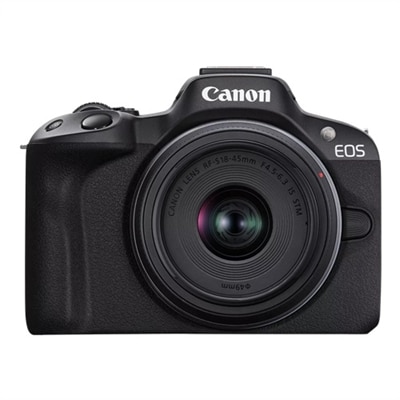
Digital Camera Vs Phone Camera: Which Is Right for You?
Digital camera vs. phone camera comes down to your priorities for image quality, portability, creative control, and everyday convenience. Explore available digital cameras, camera accessories, and related electronics to compare features and find an option that fits how you capture, store, and share photos.
This product is not available
Check out the following recommendations.




Digital Camera Vs Phone Camera: Which Is Right For You?
Choosing between a digital camera and a phone camera often comes down to how you prefer to capture everyday moments. A phone camera is already with you for spontaneous snapshots, quick videos, travel memories, food photography, family gatherings, and images you want to share immediately. Its compact design slips into a pocket, and automatic processing can balance exposure, color, sharpness, and contrast before you even open the photo. Computational photography also helps phones produce attractive results in challenging conditions by combining multiple exposures, reducing noise, recognizing faces, and adjusting detail across the frame. For casual photography, that convenience is difficult to match. A phone may be the natural choice for someone who values a simple process, takes pictures primarily for messaging or social platforms, or prefers not to carry another device. It can also be a thoughtful gift for students, travelers, busy parents, and anyone who enjoys documenting ordinary details, from a pet resting in a patch of afternoon light to a meal shared with friends during the cooler months. Phone cameras are especially useful when speed matters: a child’s quick expression, a street performer passing by, or an unexpected view from a train window can be captured, edited, and shared within moments. Before choosing, consider storage space, battery life, image backup, display quality, and the phone’s physical size. A camera that performs well is only useful when it is comfortable to carry and easy to reach. For shoppers who like the convenience of a separate, pocket-friendly device without moving to a larger interchangeable-lens system, Compact Cameras for Everyday Carry can provide another practical direction.
A dedicated digital camera becomes more appealing when image quality, control, and the process of taking pictures matter as much as convenience. Its larger sensor can collect more light, which may produce cleaner detail and smoother tones in dim rooms, shaded landscapes, evening streets, and indoor gatherings. Physical lenses also provide optical zoom, allowing photographers to frame distant subjects while preserving more detail than a heavily cropped phone image. A dedicated camera can create natural background blur through lens and aperture choices, giving portraits, flowers, and close-up objects a distinct separation from their surroundings. Many models provide direct access to shutter speed, aperture, ISO, focus modes, and exposure compensation, so the person behind the camera can respond deliberately to movement and light. Those controls are valuable for photographing fast action, such as a cyclist moving through a park, as well as quiet subjects, such as frost on a window or warm light across a living room. Dedicated cameras may also support RAW files, which retain more image information for later editing. This can be important for photographers who want to recover shadow detail, refine highlights, adjust color, or develop a consistent visual style. The tradeoff is a larger kit, a learning curve, and more responsibility for charging batteries, organizing memory cards, protecting equipment, and transferring files. A digital camera may suit an enthusiast building photography skills, a creator developing a portfolio, a traveler planning scenic outings, or a family member who enjoys making printed albums rather than keeping every image on a phone. It can be a meaningful gift for someone who likes hands-on creative activities, especially when paired with practical accessories such as a carrying case, spare battery, memory card, tripod, or camera strap. The best fit depends on the subjects being photographed, the amount of time available for learning, and whether the person enjoys shaping an image before and after pressing the shutter.
The differences between phone cameras and digital cameras become clearest when you consider the complete experience rather than a single specification. A phone prioritizes portability, automatic results, connected features, and minimal setup. A dedicated camera prioritizes sensor size, lens options, tactile controls, optical reach, and the ability to grow with the photographer’s interests. Someone photographing friends at a casual gathering may appreciate the phone’s speed, while someone capturing a dimly lit performance may prefer the camera’s light-gathering ability and manual focus options. Travelers should think about weight, weather conditions, charging access, and whether images need to be backed up while away from home. Families may value simple operation and durable construction, while hobbyists may place greater importance on interchangeable lenses, viewfinders, burst shooting, stabilization, and video capabilities. Screen size and visibility are also worth considering, particularly for outdoor use or for anyone who reviews images in bright conditions. Budget planning should include the full system: a camera body is only part of the cost when additional lenses, storage, protection, and support equipment may be useful. At the same time, a phone camera can represent a broader everyday investment because it combines photography with communication, navigation, and other tasks. Think about how often the camera will be carried, what kinds of subjects appear most often in your life, and whether you want instant sharing or greater control over the finished image. During early fall walks, rainy-day indoor gatherings, and the darker evenings of winter, both options can preserve meaningful details; the right choice is the one that encourages regular use and feels natural in your hands.
FAQs:
A phone camera is built into a multifunctional device and is convenient for everyday photos, sharing, and editing. A digital camera is designed primarily for photography and often offers dedicated controls, interchangeable lenses, optical zoom, and more ways to customize how images are captured.
A phone camera is a good choice for travel, casual photography, social media, video calls, and quick snapshots. It keeps photography, editing apps, cloud services, and sharing tools in one device.
Consider a digital camera if you want dedicated photography controls, a wider selection of lenses, a traditional camera grip, or more flexibility for subjects such as wildlife, sports, portraits, and landscapes.
Some accessories can work with both, including tripods, camera bags, cleaning kits, and select lighting equipment. Compatibility varies, so check the connection type, mount, and device requirements before choosing an accessory.
Think about how you take photos, the level of manual control you want, whether you plan to use interchangeable lenses, how you prefer to edit and share images, and whether you want one device for photography or a dedicated camera system.