Document Processing Solutions
Streamline your workflow and enhance productivity with document processing solutions designed to meet the demands of modern businesses. Whether you’re looking to improve organization, automate repetitive tasks, or ensure secure handling of important files, these tools offer flexible options for managing documents efficiently. Discover how document processing solutions can help transform your approach to handling information, making everyday operations smoother and more reliable.
This product is not available
Check out the following recommendations.


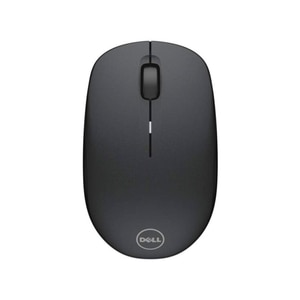

Document Processing Solutions
Document processing solutions help turn paper records, digital files and everyday business correspondence into organized, usable information. They can support the complete journey of a document, from the moment it arrives through email, a mobile upload, a connected scanning device or a shared folder to the point where its contents are reviewed, stored and used in another application. For many offices, the right combination of computers, displays and accessories provides the practical foundation for this work. A responsive laptop can help a mobile professional review forms from a quiet home office or a client location, while a desktop setup can provide a dependable workstation for staff handling a steady stream of invoices, applications, contracts, receipts and internal records. A clear, comfortable monitor is especially useful when several pages, reference windows or data-entry fields must remain visible at once. Thoughtful accessories, including a full-size keyboard, precise pointing device, headset or document-capture equipment, can also reduce interruptions and make repetitive tasks feel more manageable. Whether the setting is a small business, a classroom, a clinic, a real estate office, a legal practice or a household managing important records, document processing begins with a workspace that makes reading, entering, checking and organizing information easier. During the cooler months, when more work may take place indoors, an orderly desk with dependable technology can help keep paperwork from collecting in uneven stacks and make it simpler to move from a handwritten note or scanned page to a finished digital file.
Many document processing workflows follow a series of connected steps. Ingestion gathers files from email, mobile devices, uploads, shared folders or scanning equipment. Pre-processing can improve the source by correcting an image that is tilted, faint, shadowed or difficult to read. Optical character recognition, often called OCR, identifies printed text and may recognize handwriting, allowing information from an image-based document to become searchable and editable. Classification then sorts documents into useful groups, such as invoices, purchase orders, applications, identification forms, contracts or shipping records. Extraction pulls important fields from each document, such as a customer name, date, address, account number, total amount or payment deadline. Validation compares those fields with business rules or existing records, helping identify missing information, unusual values or possible duplicates. When automated tools are uncertain, human review provides an important checkpoint: a staff member can inspect the original page, correct the result and help improve future processing. Intelligent document processing uses artificial intelligence and machine learning to support these steps, particularly when documents arrive in different layouts or contain unstructured information. When selecting products for this type of work, consider the volume and variety of documents, the size of the workspace, the number of people who need access and the applications used after information is captured. Screen size and resolution matter when users compare a scan with extracted text. Processing performance, memory and battery life can influence how smoothly large files and multiple applications run. Comfort features, port selection, adjustability and accessibility options are worth considering for people who spend long periods reviewing records. Security features, operating system compatibility, software requirements and support policies should also be checked before purchase, especially when documents include financial, medical, employment or personally identifiable information. A compact setup may suit an independent professional, while a larger shared workspace may benefit from multiple displays and flexible input accessories. Additional guidance for organizing technology across a modern workplace is available through Smart Office Solutions.
The people who use document processing solutions are often the people responsible for keeping an organization moving: an administrator matching invoices to purchase records, a coordinator turning completed forms into searchable files, a teacher preparing and reviewing assignments, a property manager organizing applications, or a family member digitizing tax documents and household records. A well-planned setup can be useful for both occasional tasks and high-volume routines. Someone working with a few documents each week may value a straightforward computer, an easy-to-read display and accessories that keep cables and paperwork under control. A busy office may place greater emphasis on fast startup, reliable multitasking, ergonomic positioning and enough screen space to compare source documents with accounting, customer relationship or workflow software. Teams should also think about how documents move between people: clear file naming, consistent folders, permissions, backup practices and a defined review process can be as important as the hardware used to access them. For remote or hybrid workers, a portable computer and comfortable accessories can help create a repeatable workstation at home, in a shared office or while traveling between locations. For students, new professionals or anyone setting up a first home office, document-focused technology can be a practical and lasting gift because it supports applications, research, budgeting, creative projects and everyday organization rather than a single short-term activity. As routines shift between busy workdays and quieter indoor periods, reliable equipment can make the difference between searching through a crowded folder and finding the right information in a few moments. The strongest document processing solution is not necessarily the most elaborate one; it is the setup that matches document volume, user comfort, software needs and privacy responsibilities while leaving room for the workflow to grow.
FAQs:
Document processing solutions help automate repetitive tasks such as data entry and document organization, allowing home offices and small businesses to operate more efficiently. By digitizing paper documents and extracting key information automatically, these solutions save time, reduce errors, and make important files easier to access and share among team members.
Many document processing solutions are designed to integrate seamlessly with popular business platforms such as ERP, CRM, and cloud storage services. This integration streamlines workflows by enabling automatic document uploads, data synchronization, and easy sharing across different departments or applications, helping organizations maintain a cohesive digital environment.
Students, educators, freelancers, and families can all benefit from document processing solutions. These tools make it easy to digitize handwritten notes, organize school assignments, manage household paperwork, and preserve personal records, making information retrieval and sharing more convenient in a variety of settings.
When choosing a document processing solution, consider features such as Optical Character Recognition (OCR), batch scanning, automatic file naming, workflow automation, and compatibility with your existing devices and software. Security features and cloud integration are also important for protecting sensitive data and ensuring accessibility from multiple locations.
Dell scanning software is designed to work seamlessly with compatible devices, offering intuitive interfaces and powerful features for capturing, organizing, and managing digital documents. It supports advanced scanning options, OCR capabilities, and integration with popular productivity tools, helping users streamline their document workflows and improve overall efficiency.