$4157.00
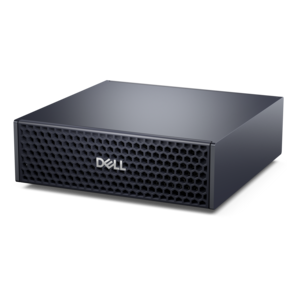
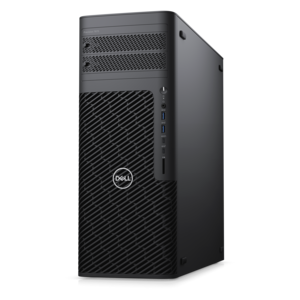
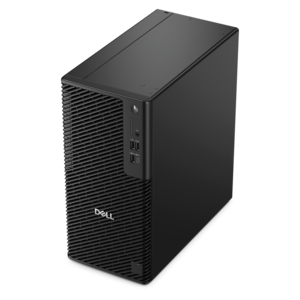
A dense, powerful rack-ready desktop engineered to optimize demanding computing environments.
Revolutionize your digital landscape with cutting-edge edge computing technology, designed to bring processing power closer to where data is generated. As the demand for faster and more efficient data processing increases, edge computing stands at the forefront, offering innovative solutions that enhance connectivity and reduce latency. Ideal for businesses and tech enthusiasts alike, this technology empowers devices to process information locally, ensuring quicker insights and improved performance. Embrace the future of computing with solutions that cater to the evolving needs of modern digital environments.
A dense, powerful rack-ready desktop engineered to optimize demanding computing environments.
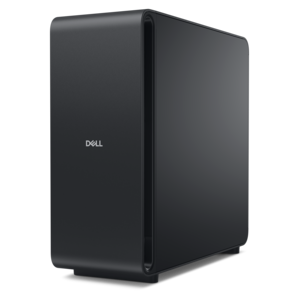
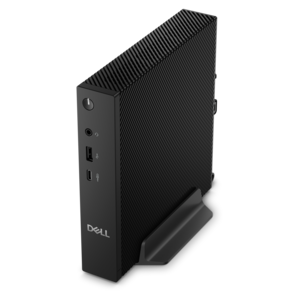
A compact AI accelerator delivering powerful local inferencing, AI development, and versatile edge performance.
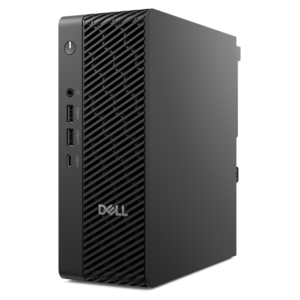
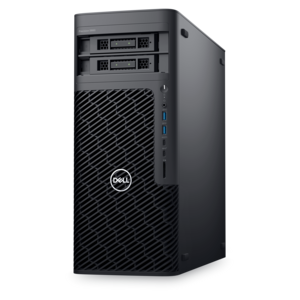
A high-performance desktop powered by the NVIDIA Grace Blackwell Ultra Desktop Superchip with MaxCool technology.
Edge computing technology brings processing closer to the place where information is created and used. Instead of sending every piece of raw information to a remote cloud location for analysis, an edge setup can evaluate data near the source, respond locally, and forward only the most useful results. This distributed approach may include compact computing hardware, local gateways, connected sensors, business desktops, mobile laptops, monitors, and accessories that help people view, manage, and act on information with less delay. In practical terms, a camera can identify movement near the area it monitors, an industrial sensor can flag an unusual reading on-site, or a retail workstation can continue handling essential tasks when an internet connection becomes unreliable. The goal is not to replace cloud computing, but to place each workload where it can perform most effectively. Cloud platforms remain valuable for long-term analysis, broad reporting, software management, and coordinating information across locations, while edge devices can handle time-sensitive decisions close to users and equipment. This arrangement can reduce latency because information has a shorter distance to travel, limit bandwidth use by transmitting summaries instead of continuous raw feeds, and support more consistent operation in locations with intermittent connectivity. It may also strengthen privacy practices by allowing sensitive information to be reviewed or filtered locally before selected details leave the site. Products featured in an Edge Computing Technology collection can support the people who design, monitor, and interact with these environments. A capable laptop can help a technician review local readings while moving between work areas. A desktop can provide a steady workstation for analyzing dashboards, configuring applications, or overseeing multiple connected systems. A clear monitor can make trends, alerts, maps, and live status indicators easier to interpret, while suitable accessories can improve comfort and accuracy during long sessions. When exploring related solutions, shoppers may also find useful context through Data Center Technologies, particularly when planning how local computing fits into a broader technology environment.
The right edge computing technology depends on where it will be used, how quickly it must respond, how much information it will process, and who will rely on the results. A manufacturing team may use local computing to watch production equipment, identify irregular activity, and help employees respond before a small issue interrupts a larger operation. A healthcare organization may need responsive systems for connected devices, imaging workflows, or room-level monitoring, with careful attention to access controls and privacy. Retail locations can use local processing to support inventory visibility, checkout activity, customer flow analysis, and digital displays, even when a connection to a central service is temporarily limited. Transportation teams may apply edge technology to traffic signals, vehicle monitoring, route coordination, or roadside sensors, where even a brief delay can affect safety and efficiency. Schools, offices, laboratories, farms, utilities, and public facilities can also benefit from local analysis when conditions change quickly or information is generated far from a central cloud environment. When comparing products for these scenarios, consider processing capability, memory, compatibility with the applications already in use, display quality, portability, physical durability, energy consumption, and the number of people or devices that may connect to the system. Reliability matters as much as speed; equipment placed on a busy work floor or in a field environment should suit the surrounding temperature, dust, vibration, and available power. Security deserves equal attention, including secure sign-in, timely software updates, device management, and the ability to restrict access according to each user’s responsibilities. It is also helpful to consider how a laptop, desktop, monitor, or accessory will fit into the daily routine of the person using it. A mobile worker may value a lightweight system, a bright display, and dependable battery life, while an analyst working at a fixed desk may benefit from a larger screen, comfortable input accessories, and enough capability to keep several tools visible at once. Teams building an edge environment should map where information originates, decide which decisions must happen locally, determine what should be sent to the cloud, and plan how devices will be monitored over time. Thoughtful selection can make edge computing easier to manage, more responsive for users, and better aligned with the needs of the workplace or community it serves.
Add the products you would like to compare, and quickly determine which is best for your needs.