$550.00
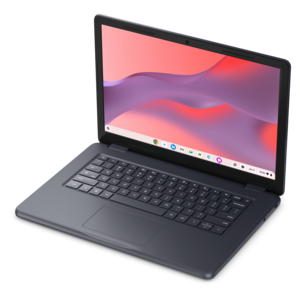
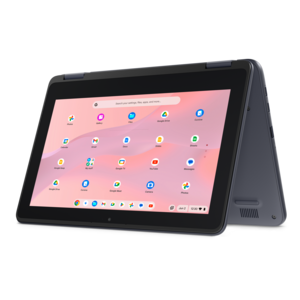
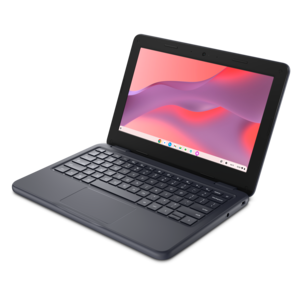
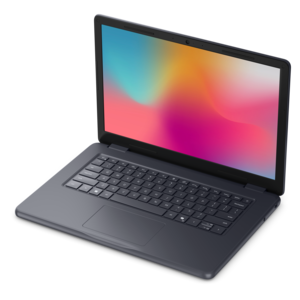
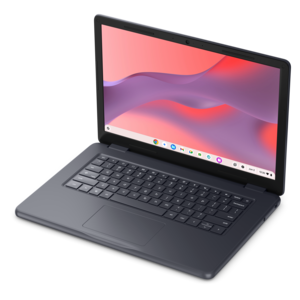
A durable, serviceable Chromebook designed specifically for education environments.
Entry level laptops for students offer a reliable and affordable solution for tackling assignments, staying connected, and enjoying entertainment on the go. Perfect for balancing schoolwork with everyday tasks, these laptops are designed to meet the needs of learners at every stage. Whether you're attending virtual classes, collaborating on group projects, or simply browsing the web, entry level laptops for students provide the essential tools to support academic success and productivity. Explore a variety of options tailored to fit your budget and study style.
A durable, serviceable Chromebook designed specifically for education environments.
A durable, serviceable Chromebook designed specifically for education environments.
A durable, serviceable Chromebook designed for K–12 learning environments.
A durable, serviceable laptop or 2-in-1 designed specifically for K-12 learning environments.
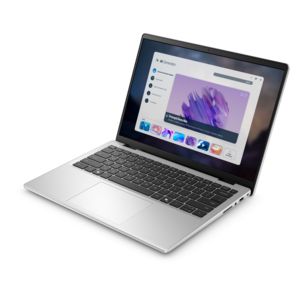
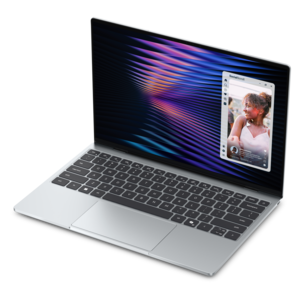
A thin, lightweight laptop crafted from eco-friendly materials with Series 3 Intel Core processors for productivity.
A durable, serviceable laptop designed specifically for demanding education environments.
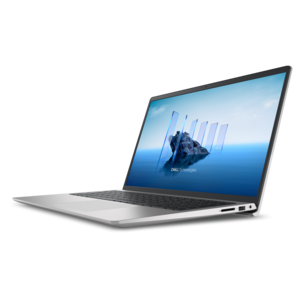
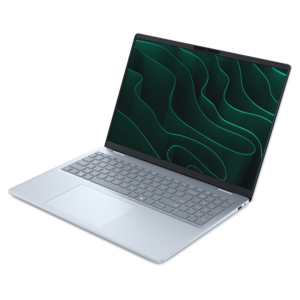
A portable laptop with a sleek design, 16:10 display, and AI PC options for productivity anywhere.
A durable productivity laptop featuring an expansive 16:10 display and convenient numeric keypad.
A sleek, portable laptop with an expansive 16:10 display for reliable productivity anywhere.
A slim, lightweight laptop with Intel® Core™ processors and graphics for productive work anywhere.
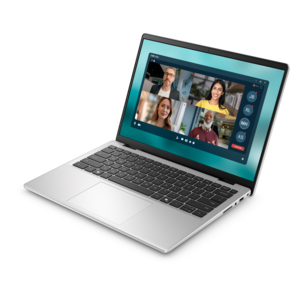
A laptop featuring an FHD camera, enlarged ergonomic keyboard, and AMD Ryzen™ processors for everyday productivity.
A lightweight AI-powered laptop designed for creative professionals and small businesses.
A versatile 2-in-1 laptop designed for AI experiences and seamless multitasking on the go.
A sleek laptop powered by AMD Ryzen AI 400, designed for smooth, capable multitasking.
A lightweight AI-powered laptop with Intel Arc graphics, ideal for creative professionals and small businesses.
A durable, lightweight business laptop powered by AMD Ryzen processors with commercial-grade security and manageability.
A durable, lightweight business laptop powered by AMD Ryzen processors with commercial-grade security and manageability.
A durable, reliable business laptop offering commercial-grade security, manageability, and everyday productivity in a lightweight design.
A thin, durable laptop powered by AMD Ryzen™ AI PRO 400 Series processors for professional work.
A powerful, ultra-thin laptop with a durable chassis, designed for productive work wherever you go.
A remarkably thin laptop combining portable performance with Series 3 Intel Core Ultra processing for productivity.
A durable, lightweight business laptop offering reliable productivity with commercial-grade security and manageability.
Entry-level laptops for students are designed to cover the everyday tasks that make up school, work and personal organization without adding unnecessary complexity to a backpack. They are well suited to writing papers, researching online, checking school portals, creating presentations, joining video classes and keeping up with email, calendars and shared documents. A student moving from a family computer to a personal laptop may appreciate having one dependable place for assignments, while younger learners can use a simple system for reading, web-based lessons and creative projects. These laptops can also be practical for adults returning to school, taking online courses or building basic computer skills. When comparing options, start with the operating system and the applications the student is expected to use. A laptop running Windows can support a broad selection of familiar productivity, education and communication programs, while a Chromebook running ChromeOS is centered on web applications and cloud-based services. Either choice can work well for schoolwork when it matches the student’s classes, required software and preferred way of saving files. Browser-based tools, online classrooms and cloud storage make it easy to begin work at home, continue it in a classroom or library, and access it from another compatible device. For a shared family setting, consider whether each person needs a separate user profile and whether the laptop’s privacy settings, parental controls and account management tools fit the household. A straightforward interface, responsive keyboard and reliable wireless connection can matter just as much as raw specifications when a student is moving between notes, research tabs and a live class.
Memory and storage are two of the most useful specifications to compare. For a Windows laptop, 8GB of RAM is a sensible starting point for browsing with several tabs open, working in documents, attending a video call and switching among school applications. A Chromebook intended for lightweight web tasks may work comfortably with 4GB of RAM, although more memory can provide additional flexibility as assignments become more demanding. Storage needs depend on how files are handled. Students who save documents, photos and presentations to cloud services may find 64GB to 128GB of eMMC or SSD storage sufficient for everyday schoolwork, while local media collections, downloaded videos and large creative files call for more capacity. SSD storage generally helps a laptop start quickly and open applications with less waiting, which is particularly helpful when a student is hurrying to join class or submit an assignment. The processor should be appropriate for the intended workload rather than chosen by model number alone. Entry-level processors are well matched to writing, online research, streaming lessons and basic spreadsheets, but students working with advanced video editing, engineering software, large datasets or demanding games may need a more powerful class of computer. Display size is another personal consideration: a compact screen can make a laptop easier to carry, while a larger display may reduce scrolling and make split-screen work more comfortable. Look for a clear display with a practical resolution, an adjustable hinge and enough brightness for the places where the student commonly works. A comfortable, full-size keyboard can make a noticeable difference during long writing sessions, and a responsive touchpad helps when there is no room for a separate mouse.
Portability is especially important for students who carry their laptop between home, classrooms, study spaces and transportation. A model weighing less than about 3.5 pounds is generally easier to manage throughout the day, particularly when combined with textbooks, chargers and notebooks. Battery life should be considered alongside screen brightness, video calls and the number of applications running; advertised estimates are useful for comparison, but real-world endurance varies with settings and use. A compact charger, dependable Wi-Fi and a webcam with a built-in microphone can help a student stay prepared for remote lessons and group projects. Check the available ports before buying, including USB connections for accessories, an audio jack for headphones and any display connection needed for an external monitor. Durability also deserves attention. A sturdy hinge, well-finished palm rest and keyboard that feels secure can help a laptop withstand the daily rhythm of being opened, closed and placed in a backpack. Protective cases and screen-safe cleaning habits can add another layer of care, while a padded compartment helps prevent bumps during travel. Families may also want to consider technical support, warranty coverage, automatic software updates and the availability of replacement chargers. During the warmer and cooler parts of the school year, a laptop may move between air-conditioned rooms, outdoor study areas and crowded workspaces, so dependable construction and sensible handling remain valuable. If you are comparing a wider range of options, browse Affordable Laptops For Students to review additional student-friendly choices. The best entry-level laptop is ultimately the one that fits the student’s coursework, daily routine and comfort preferences, offering enough capability for learning today while leaving room for ordinary school needs to evolve.
Add the products you would like to compare, and quickly determine which is best for your needs.